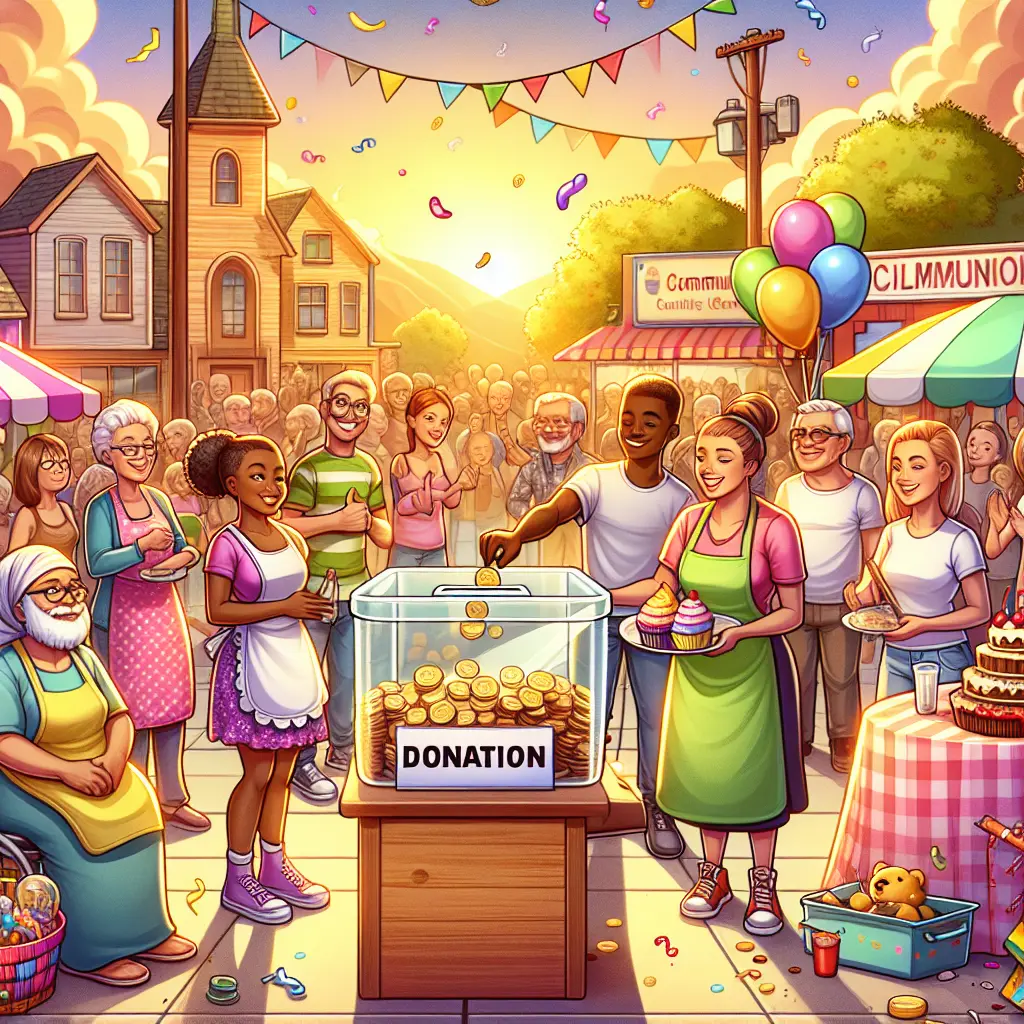
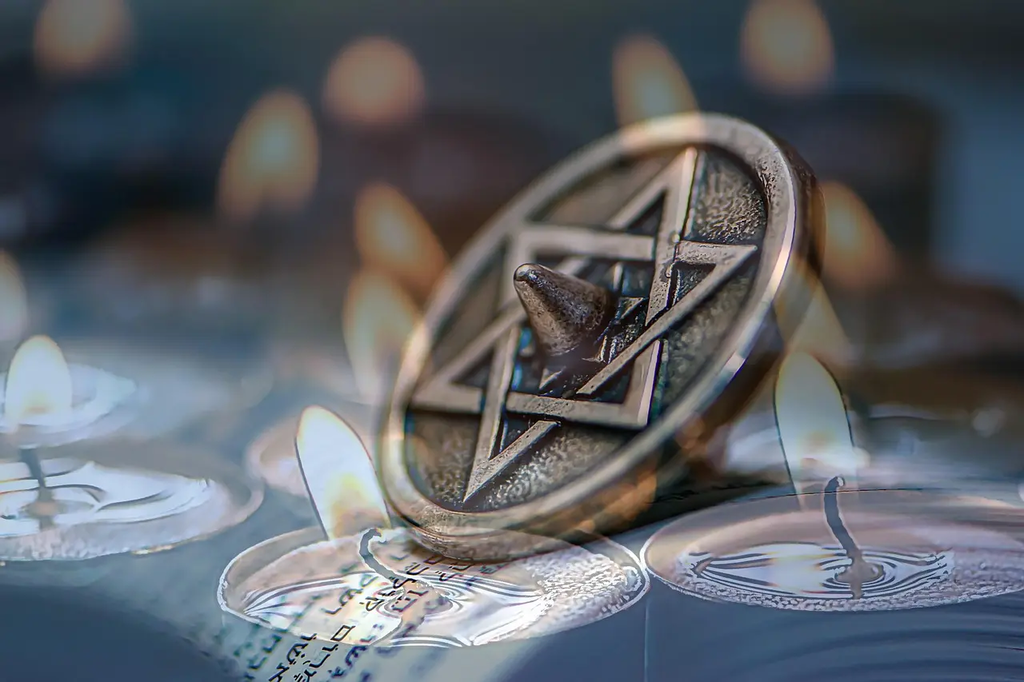
Festivals and carnivals are lively celebrations that bring communities together to honor cultural, religious, or historical traditions. They often feature music, dance, parades, colorful decorations, and traditional foods. These events create a joyful atmosphere, encouraging social interaction and fostering a sense of belonging. Festivals may mark important dates or seasonal changes, while carnivals typically include games, rides, and entertainment, offering fun and excitement for people of all ages.
Festivals & Carnivals+50
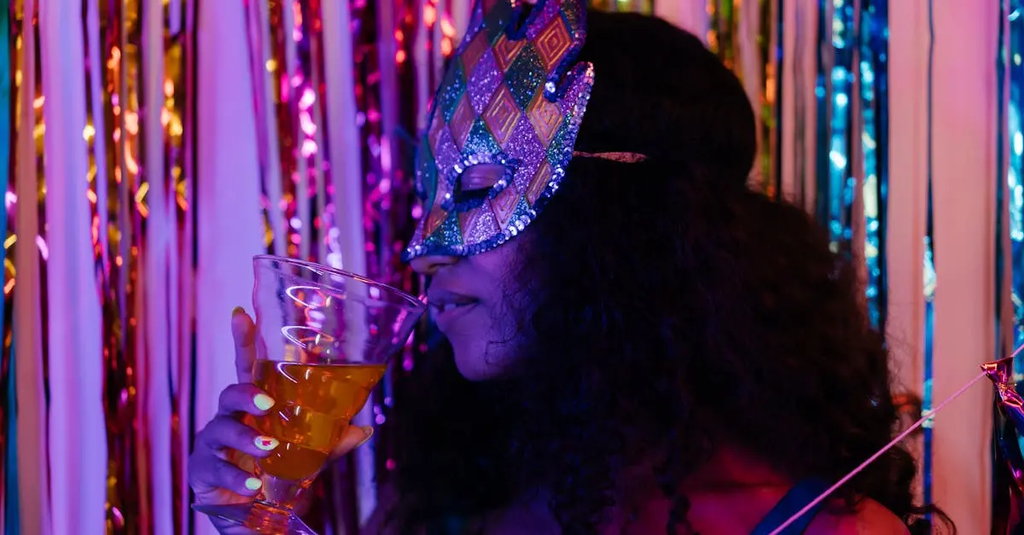
Festivals and carnivals are lively celebrations that bring communities together to honor cultural, religious, or historical traditions. They often feature music, dance, parades, colorful decorations, and traditional foods. These events create a joyful atmosphere, encouraging social interaction and fostering a sense of belonging. Festivals may mark important dates or seasonal changes, while carnivals typically include games, rides, and entertainment, offering fun and excitement for people of all ages.
💡 Key Takeaways
- Identify common elements of festivals and carnivals (music, dance, parades, decorations, and traditional foods) and their cultural purposes.
- Understand how festivals honor cultural, religious, or historical traditions and what they signify.
- See how celebrations foster community, social interaction, and shared identity across participants.
- Explore how costumes, performances, and local foods reflect a culture's identity and values.
❓ Frequently Asked Questions
What are festivals and carnivals?
They are lively community celebrations that honor cultural, religious, or historical traditions, often featuring music, dance, parades, colorful decorations, and traditional foods.
What activities are commonly seen at these events?
Music and dance performances, parades with costumes, colorful decorations, street food stalls, and cultural displays.
What is the main purpose of festivals and carnivals?
To bring people together, celebrate shared traditions, and strengthen community bonds.
How do festivals and carnivals differ from each other?
Festivals are broader celebrations of culture or history, while carnivals often focus on street parades, costumes, and public revelry, sometimes tied to a specific season or rite.
How can I participate respectfully at festivals and carnivals?
Learn and follow local customs, dress appropriately, ask before taking photos, support local vendors and performers, and follow event rules and safety guidelines.