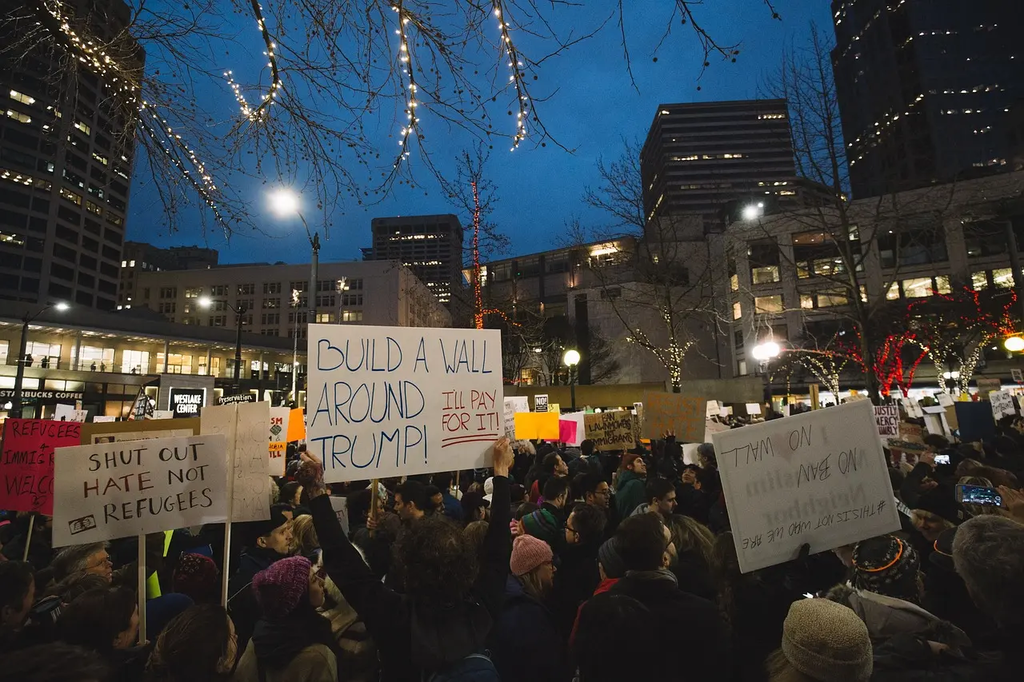
Festivals as social protest and resistance serve as powerful platforms for marginalized groups to express dissent, challenge dominant narratives, and demand change. Through music, dance, art, and collective celebration, these events transform public spaces into arenas of activism. They foster solidarity, raise awareness about injustices, and disrupt the status quo, using cultural expression to unite communities and amplify voices that might otherwise be silenced, ultimately driving social and political transformation.
Festivals as Social Protest and Resistance
Festivals as social protest and resistance serve as powerful platforms for marginalized groups to express dissent, challenge dominant narratives, and demand change. Through music, dance, art, and collective celebration, these events transform public spaces into arenas of activism. They foster solidarity, raise awareness about injustices, and disrupt the status quo, using cultural expression to unite communities and amplify voices that might otherwise be silenced, ultimately driving social and political transformation.
💡 Key Takeaways
- Understand how festivals mobilize marginalized groups to express dissent and demand change through culture.
- See how music, dance, and visual art act as protest tools to amplify voices and challenge dominant narratives.
- Learn how public spaces are transformed into arenas of activism during festivals.
- Explore how collective celebration builds solidarity, identity, and resilience for social change.
❓ Frequently Asked Questions
What is the role of festivals in social protest and resistance?
Festivals provide visibility to marginalized voices, challenge dominant narratives, and mobilize communities to demand change through collective action in public spaces.
How do music, dance, and visual art function as protest tools at these festivals?
They convey messages with emotion, create inclusive spaces, and use performances and installations to reclaim space, attract media attention, and educate audiences.
What characteristics define protest-focused or resistance-centered festivals?
They center marginalized voices, emphasize participatory formats, reclaim public spaces, blend art with advocacy, and are often inclusive and community-driven rather than commercial.
What challenges and opportunities do these festivals typically face?
Challenges include permits, safety, censorship, and funding; opportunities include media exposure, community building, and lasting advocacy networks.