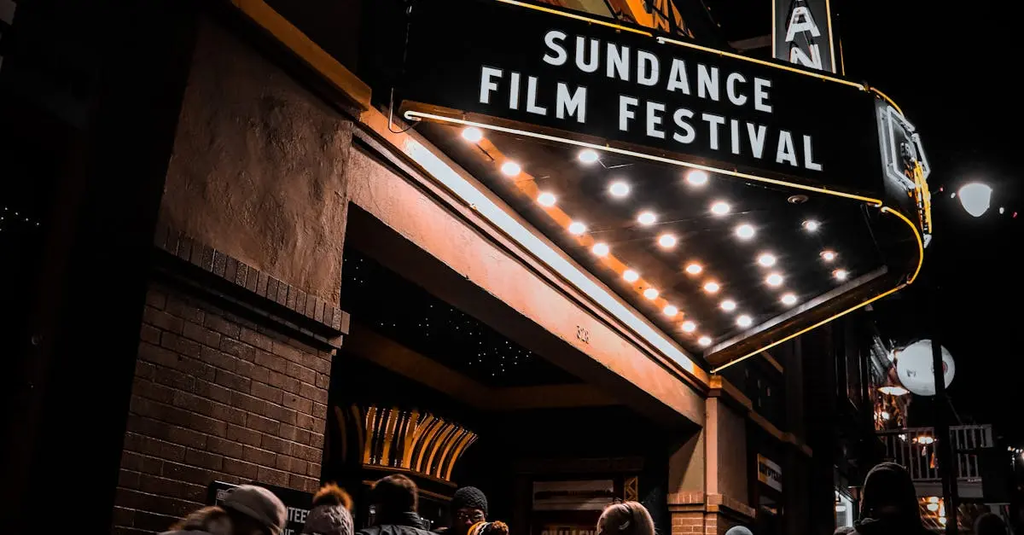
Film history is the study of the development and evolution of cinema as an art form and cultural phenomenon. It examines significant films, movements, technologies, and influential filmmakers from the late nineteenth century to the present. By analyzing trends, genres, and societal impacts, film history provides insight into how movies reflect and shape cultural values, artistic expression, and technological advancements throughout different eras and regions.
Film History+50
Film history is the study of the development and evolution of cinema as an art form and cultural phenomenon. It examines significant films, movements, technologies, and influential filmmakers from the late nineteenth century to the present. By analyzing trends, genres, and societal impacts, film history provides insight into how movies reflect and shape cultural values, artistic expression, and technological advancements throughout different eras and regions.

💡 Key Takeaways
- Identify major film history eras and movements (e.g., silent era, German Expressionism, Soviet Montage, French New Wave) and their signature techniques.
- Explain how innovations like sound, color, and digital technology transformed storytelling in cinema.
- Analyze how films reflect and shape social trends, genres, and cultural change across different decades.
- Name influential filmmakers and landmark films and describe their impact on cinema.
❓ Frequently Asked Questions
What is film history?
Film history is the study of how cinema developed—from its origins in the late 19th century to today—covering films, movements, technologies, and the people who shaped the art form.
When did cinema begin and what are key milestones?
Cinema began in the late 19th century. Key milestones include the 1895 Lumière screenings, the early silent era, and the transition to sound in the late 1920s.
What is a film movement vs. a genre? Can you name examples?
A film movement is a coordinated push by multiple filmmakers in a period or region (e.g., German Expressionism, Soviet Montage, Italian Neorealism, French New Wave). A genre is a storytelling category with familiar conventions (e.g., western, horror).
How have technology and society shaped film history?
Technological advances (sound, color, digital effects, streaming) changed how films are made and consumed, while social changes influence themes, representation, and access.