Fire protection systems in construction technology are integrated measures and devices designed to detect, control, and extinguish fires within buildings. These systems include fire alarms, sprinklers, smoke detectors, fire extinguishers, and fire-resistant materials. Their primary purpose is to safeguard lives, minimize property damage, and ensure safe evacuation during emergencies. Modern construction incorporates these technologies to comply with safety codes, enhance building resilience, and reduce risks associated with fire hazards.
Fire Protection Systems+50
Fire protection systems in construction technology are integrated measures and devices designed to detect, control, and extinguish fires within buildings. These systems include fire alarms, sprinklers, smoke detectors, fire extinguishers, and fire-resistant materials. Their primary purpose is to safeguard lives, minimize property damage, and ensure safe evacuation during emergencies. Modern construction incorporates these technologies to comply with safety codes, enhance building resilience, and reduce risks associated with fire hazards.
💡 Key Takeaways
- Identify the main types of fire protection systems (detection, suppression, alarm, and passive protection) and their roles.
- Describe how early warning and detection systems alert occupants and responders.
- Explain the basic operation of sprinkler and suppression systems to control fires.
- Understand maintenance, testing, and regulatory requirements to keep systems reliable and compliant.
❓ Frequently Asked Questions
What is a fire protection system?
A set of devices and procedures that detect, alert, suppress, and control fires to protect lives and property. It typically includes detection, alarms, suppression, and means of safe egress.
What is the difference between passive and active fire protection?
Passive protection uses building design and materials to slow fire spread (fire-rated walls/doors). Active protection uses systems that detect or suppress fires (smoke detectors, sprinklers).
What are common types of fire suppression systems?
Sprinkler-based systems (wet-pipe, dry-pipe, deluge, and pre-action), clean agent or water-mist systems, and portable extinguishers are typical suppression options.
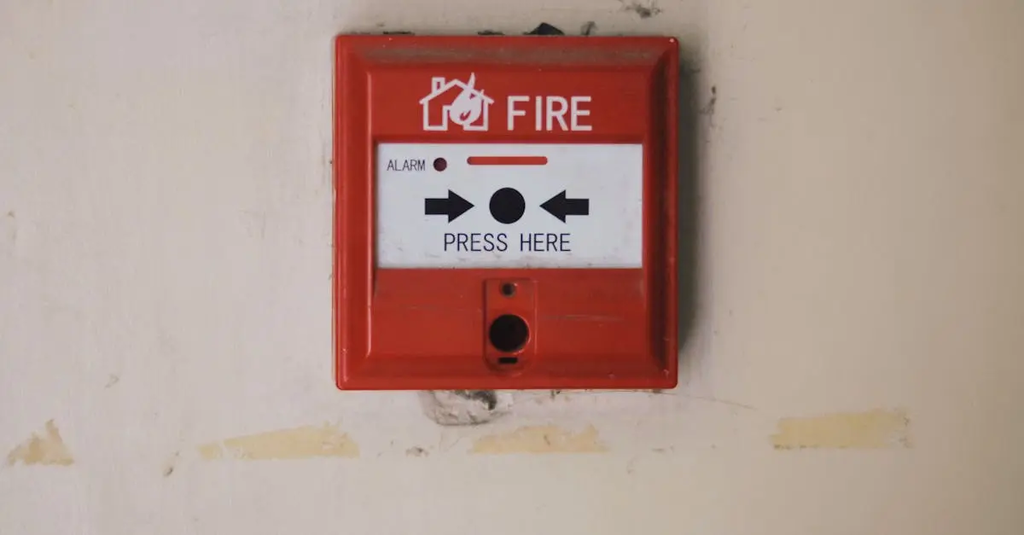
What is a fire detection and alarm system?
A network of detectors and control panels that detects smoke/heat, triggers alarms, and notifies occupants and responders to evacuate.
Why is regular maintenance important for fire protection systems?
Regular testing and servicing ensure detectors, alarms, and extinguishing equipment work correctly when needed and help maintain code compliance.