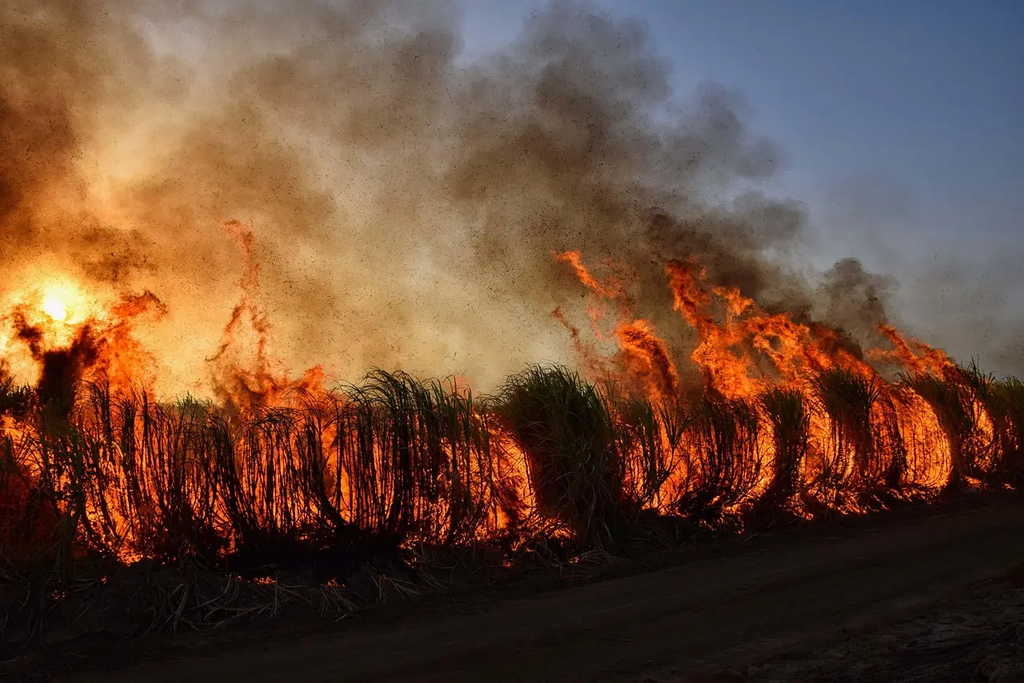
Flash floods in arid landscapes occur rapidly due to intense rainfall over dry, impermeable ground. Slot canyons, with their narrow, steep walls, can funnel water dangerously, increasing flood velocity and depth. Burn scars from recent wildfires worsen the risk, as vegetation loss leaves soil unable to absorb water. Together, these features create hazardous conditions, making flash floods sudden, powerful, and potentially deadly in such environments.
Flash Floods in Arid Landscapes: Slot Canyons and Burn Scars
Flash floods in arid landscapes occur rapidly due to intense rainfall over dry, impermeable ground. Slot canyons, with their narrow, steep walls, can funnel water dangerously, increasing flood velocity and depth. Burn scars from recent wildfires worsen the risk, as vegetation loss leaves soil unable to absorb water. Together, these features create hazardous conditions, making flash floods sudden, powerful, and potentially deadly in such environments.
💡 Key Takeaways
- Understand how intense rainfall on dry, impermeable ground can trigger rapid flash floods in arid landscapes.
- Explain how slot canyons funnel floodwaters, increasing velocity and depth due to narrow walls and confined space.
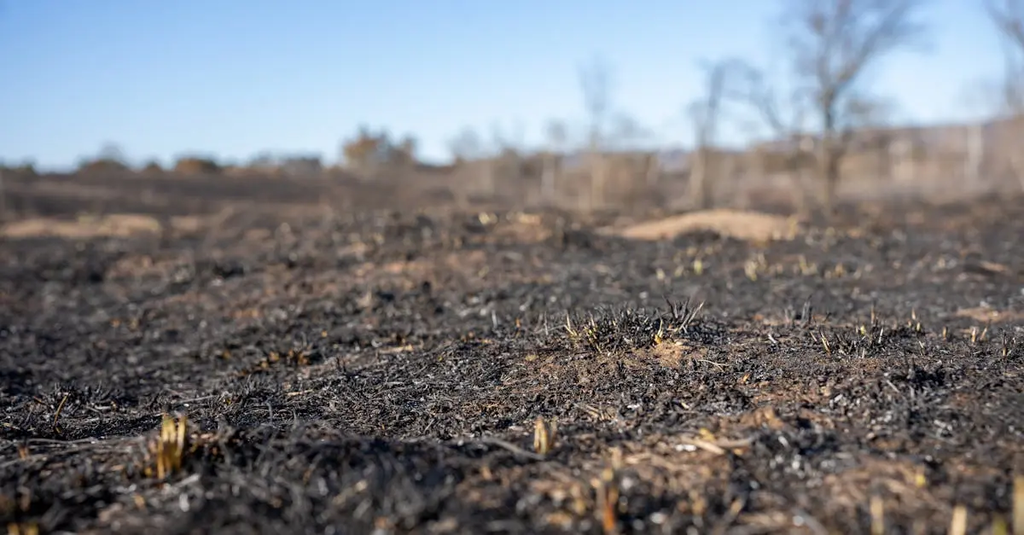
- Describe how burn scars from recent wildfires remove vegetation and destabilize soil, raising runoff and erosion risks.
- Recognize how arid terrain contributes to limited infiltration, promoting sudden flood onset and debris flows.
- Identify safety considerations and precautions when exploring desert washes, slot canyons, and near-burn areas during rain events.
❓ Frequently Asked Questions
What causes flash floods in arid landscapes?
Intense rainfall on dry, impermeable ground creates rapid surface runoff; little infiltration and sparse vegetation allow waters to rise quickly.
How do slot canyons affect flood behavior?
Their narrow, steep walls funnel water, increasing flood velocity, depth, and debris loads, making floods in these channels especially dangerous.
Why do burn scars from wildfires worsen flood risk?
Loss of vegetation and altered soils reduce infiltration; ash and exposed slopes increase runoff, leading to faster, more sediment-filled floods.
What safety steps help during flash floods in these environments?
Monitor weather before entering canyons, avoid streams during storms, seek higher ground if water rises, and never drive through flooded washes.