Flavonoids in dark fruits, such as blueberries, blackberries, and cherries, are powerful plant compounds known for their antioxidant and anti-inflammatory properties. Including these superfoods in your diet supports heart health, boosts immune function, and may reduce the risk of chronic diseases. Embracing dark fruits as part of healthy habits not only provides essential nutrients but also helps combat oxidative stress, contributing to overall well-being and longevity.
Flavonoids in Dark Fruits
Flavonoids in dark fruits, such as blueberries, blackberries, and cherries, are powerful plant compounds known for their antioxidant and anti-inflammatory properties. Including these superfoods in your diet supports heart health, boosts immune function, and may reduce the risk of chronic diseases. Embracing dark fruits as part of healthy habits not only provides essential nutrients but also helps combat oxidative stress, contributing to overall well-being and longevity.
💡 Key Takeaways
- Identify the main flavonoids found in dark fruits (such as anthocyanins) and how they contribute to color.
- Explain how flavonoids in dark fruits act as antioxidants and the potential implications for health.
- Describe factors that influence flavonoid levels in dark fruits, including variety, ripeness, and processing or storage.
- List common dark fruits rich in flavonoids (blueberries, blackberries, black grapes, cherries) and simple ways to preserve their flavonoid content.
❓ Frequently Asked Questions
What are flavonoids, and which compounds in dark fruits are most important?
Flavonoids are plant-based antioxidants found in many fruits. In dark fruits, anthocyanins give the deep purple/blue/red colors, and other flavonoids like quercetin, kaempferol, and myricetin provide additional antioxidant benefits.
Why are dark fruits rich in anthocyanins?
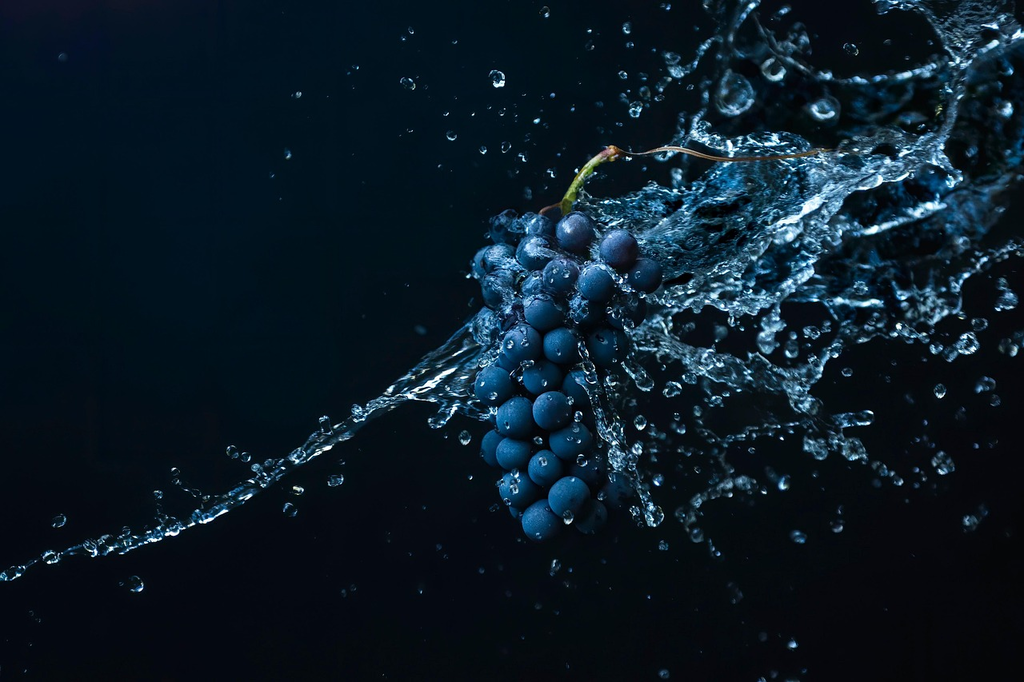
Anthocyanins are responsible for the characteristic dark colors of berries and related fruits; they also function as antioxidants that may support heart health and cellular protection.
Do cooking or processing affect flavonoid levels in dark fruits?
Yes. Heat and processing can reduce some flavonoids, while others may become more bioavailable. Maximizing fresh or minimally processed fruit helps preserve them.
How can you maximize flavonoid intake from dark fruits?
Choose a variety of whole dark fruits (berries, grapes, plums), eat them with skins when possible, and opt for fresh or gently processed products to retain flavonoids.