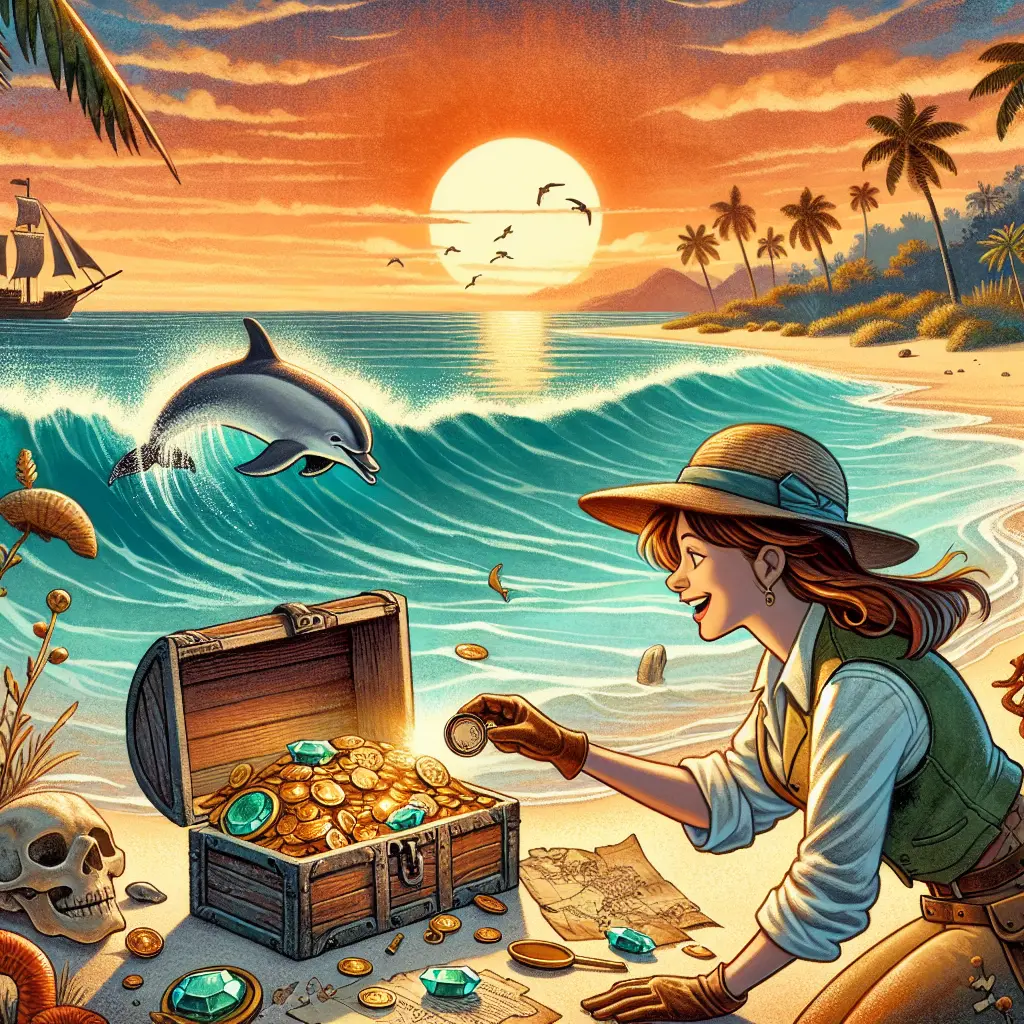
Florida's Treasure Coast refers to a stretch along Florida’s Atlantic shoreline famed for shipwrecks of Spanish treasure fleets lost in the 18th century. Legends of sunken gold and silver have inspired tales of pirates, explorers, and fortune hunters. Archaeological discoveries from these wrecks reveal artifacts and coins, fueling both historical research and modern-day treasure hunts. The region’s rich maritime history continues to captivate adventurers and historians alike.
Florida's Treasure Coast: Legends, Loot, and Archaeology
Florida's Treasure Coast refers to a stretch along Florida’s Atlantic shoreline famed for shipwrecks of Spanish treasure fleets lost in the 18th century. Legends of sunken gold and silver have inspired tales of pirates, explorers, and fortune hunters. Archaeological discoveries from these wrecks reveal artifacts and coins, fueling both historical research and modern-day treasure hunts. The region’s rich maritime history continues to captivate adventurers and historians alike.
💡 Key Takeaways
- Identify the key shipwrecks and legends along Florida's Treasure Coast and their 18th-century historical context.
- Explain how underwater archaeology recovers, analyzes, and preserves artifacts from sunken treasure fleets.
- Describe how pirate legends and discoveries influence local culture, museums, and coastal tourism.
- Summarize the legal and ethical considerations involved in protecting wreck sites and underwater cultural heritage.
❓ Frequently Asked Questions
What is the Treasure Coast?
A stretch of Florida's Atlantic coastline known for 18th‑century Spanish treasure fleet shipwrecks and legends of sunken gold.
Why did so many ships sink along this coast?
Storms, hurricanes, and dangerous reefs in the 1700s caused fleets carrying gold and silver to wreck along the coast.
What does archaeology reveal about these wrecks?
Underwater archaeology uncovers artifacts, reveals how ships were built and loaded, and helps document wreck locations and historical trade.
Are artifacts from these wrecks viewable or protected?
Many recovered items are displayed in museums or studied by researchers; direct salvage is regulated to protect underwater heritage.