Fog types refer to the various forms of fog, such as radiation fog, advection fog, valley fog, and upslope fog, each formed under specific environmental conditions. Visibility in fog describes how far one can see, which is significantly reduced due to the tiny water droplets suspended in the air. Different fog types can impact visibility to varying degrees, often creating hazardous conditions for transportation and outdoor activities.
Fog Types and Visibility
Fog types refer to the various forms of fog, such as radiation fog, advection fog, valley fog, and upslope fog, each formed under specific environmental conditions. Visibility in fog describes how far one can see, which is significantly reduced due to the tiny water droplets suspended in the air. Different fog types can impact visibility to varying degrees, often creating hazardous conditions for transportation and outdoor activities.
💡 Key Takeaways
- Identify common fog types (radiation, advection, valley, and upslope) and the conditions that produce each.
- Explain how tiny water droplets suspended in air reduce visibility during fog.
- Describe the environmental factors that trigger fog formation and its dissipation (temperature, humidity, wind, and terrain).
- Explain how fog affects transportation safety and weather forecasting.
❓ Frequently Asked Questions
What is fog and how does it affect visibility?
Fog is a near-ground cloud of tiny water droplets that reduces how far you can see, making navigation and driving more difficult.
What is radiation fog and when does it form?
Radiation fog forms on clear, calm nights when the ground loses heat to radiation, cooling the surface air to its dew point and creating fog, often in valleys.
What is advection fog and where does it occur?
Advection fog forms when warm, moist air moves horizontally over a cooler surface, causing condensation; it’s common along coasts and flat lowlands.
What is valley fog?
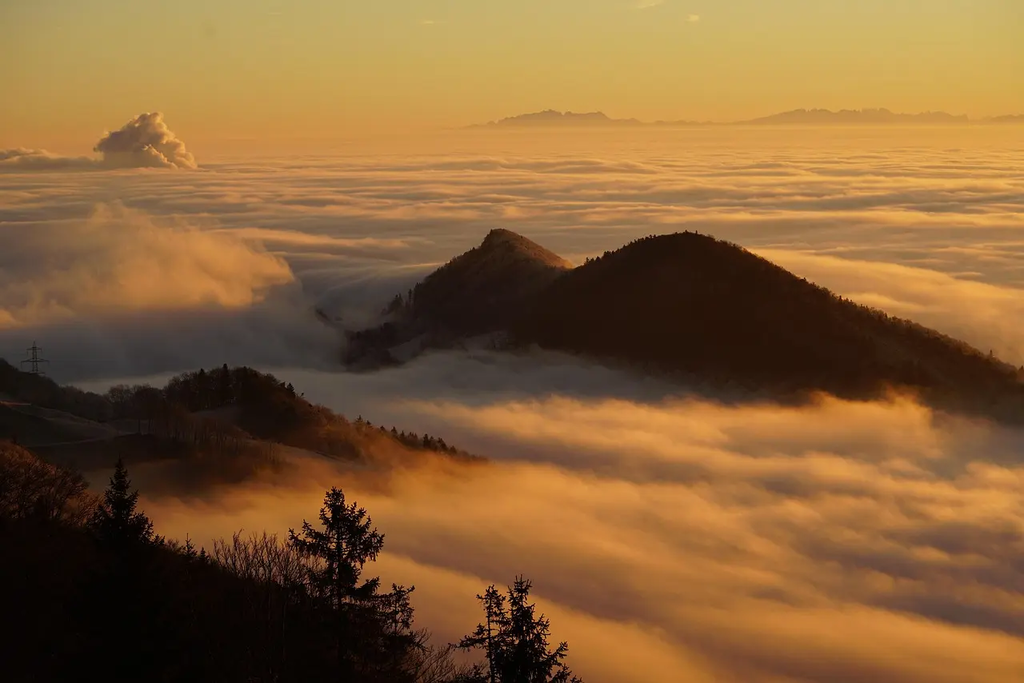
Valley fog is a type of radiation fog that develops in valleys as cold air pools and radiative cooling concentrates moisture at low elevations.
What is upslope fog?
Upslope fog forms when moist air is forced to rise up a slope, cools as it climbs, and condenses into fog.