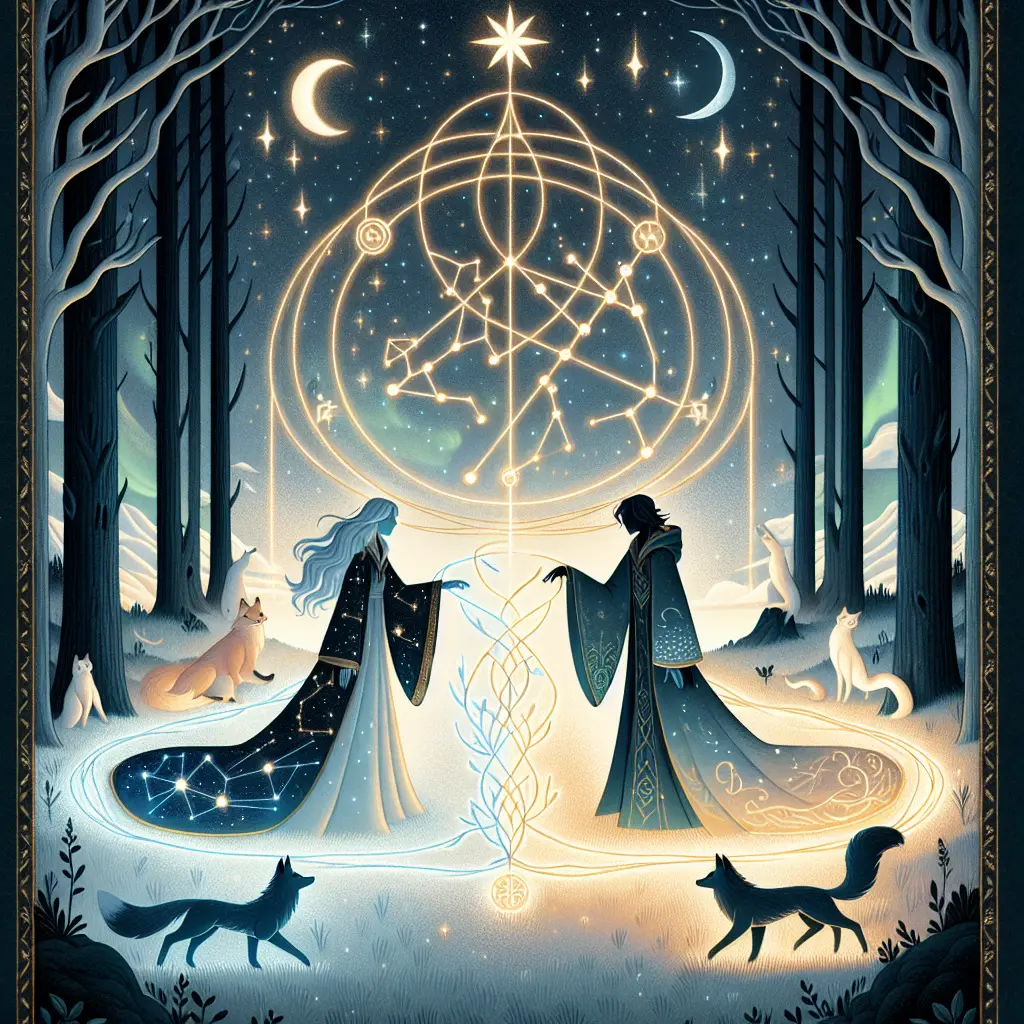
The folklore of soulmates and fate weaves a timeless narrative across cultures, suggesting that certain individuals are destined to meet and share a profound connection. These tales often portray love as preordained by destiny, with invisible threads or cosmic forces guiding soulmates together despite obstacles. Such stories inspire hope and romantic ideals, reinforcing the belief that true love is not random but shaped by fate’s mysterious hand.
Folklore of Soulmates & Fate
The folklore of soulmates and fate weaves a timeless narrative across cultures, suggesting that certain individuals are destined to meet and share a profound connection. These tales often portray love as preordained by destiny, with invisible threads or cosmic forces guiding soulmates together despite obstacles. Such stories inspire hope and romantic ideals, reinforcing the belief that true love is not random but shaped by fate’s mysterious hand.
💡 Key Takeaways
- Explore how folklore portrays soulmates and fate across cultures, highlighting motifs such as invisible threads and cosmic signs.
- Identify common symbols and stories that illustrate destined meetings and preordained love.
- Analyze how belief in fate affects dating attitudes, commitment, and personal choice.
- Compare traditional folklore with modern dating perspectives to reflect on personal views about love and destiny.
❓ Frequently Asked Questions
What does a 'soulmate' mean in folklore?
In folklore, a soulmate is someone believed to be destined for a deep, preordained bond, often guided by fate, cosmic forces, or invisible connections.
What are common motifs signaling destiny in love stories?
Recurring motifs include invisible threads or weaving, predestined meetings, celestial or dream signs, and lovers reuniting across lifetimes.
How is fate shown alongside personal choice in these tales?
Fate may guide or announce a meeting, but characters still choose, act, and invest in the relationship, blending destiny with personal decisions.
How can these folklore ideas enhance a date-night quiz?
They provide culturally rich questions about myths and symbols, prompt reflection on beliefs about love, and add storytelling context to trivia.
Can you name a few cultural examples of soulmate or fate legends?
Examples include Cupid and Psyche (Greco-Roman), Rama and Sita (Hindu), and the broader 'threads of fate' motif found in many mythologies.