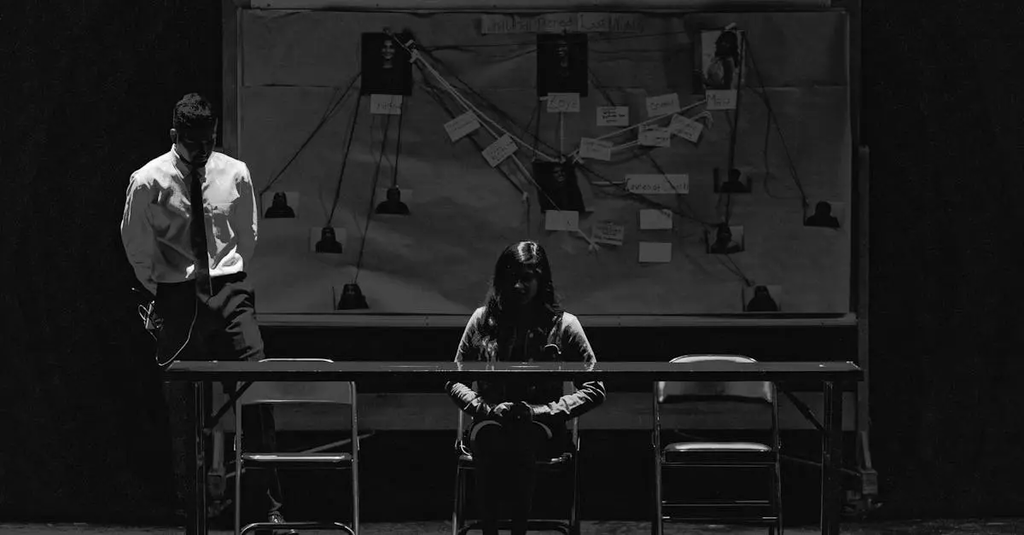
Folklore reinterpretations involve reimagining traditional myths, legends, and stories to reflect contemporary values, ideas, or cultural contexts. Artists, writers, and creators adapt these age-old narratives, sometimes altering characters, settings, or morals to make them more relevant or inclusive. This process breathes new life into folklore, allowing it to resonate with modern audiences while preserving its core essence and significance within society.
Folklore Reinterpretations
Folklore reinterpretations involve reimagining traditional myths, legends, and stories to reflect contemporary values, ideas, or cultural contexts. Artists, writers, and creators adapt these age-old narratives, sometimes altering characters, settings, or morals to make them more relevant or inclusive. This process breathes new life into folklore, allowing it to resonate with modern audiences while preserving its core essence and significance within society.
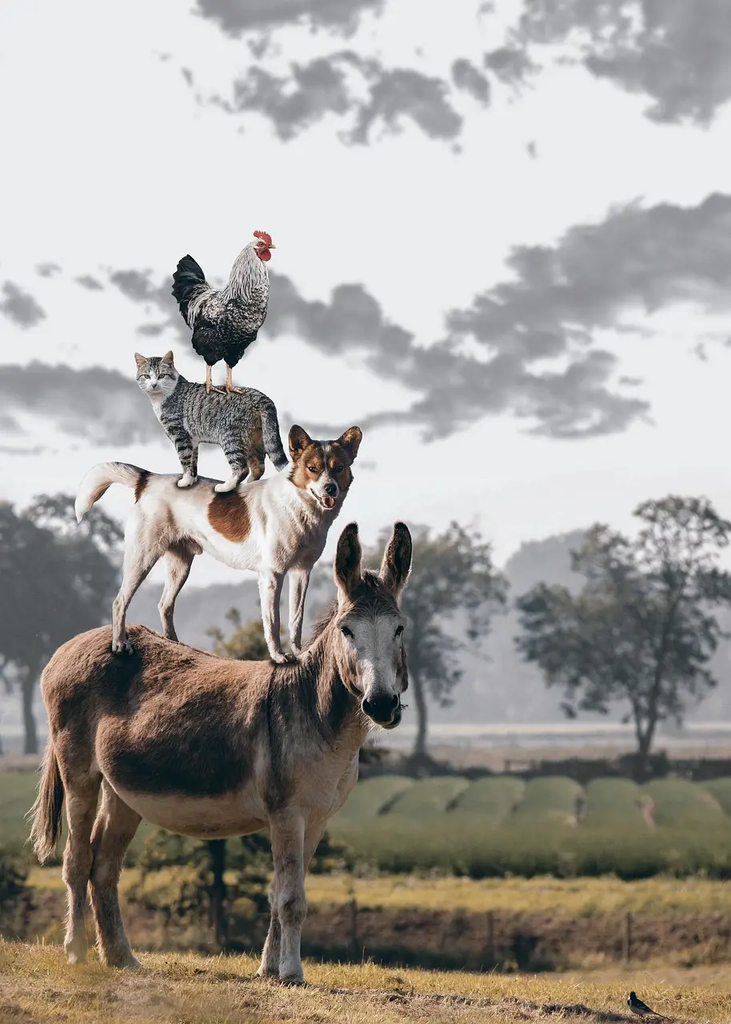
💡 Key Takeaways
- Understand what folklore reinterpretations are and how they reimagine myths for modern audiences
- Recognize how creators adapt characters, settings, and morals to fit contemporary contexts
- Explore how inclusivity, diversity, and representation shape reinterpretations across franchises and universes
- Compare different reinterpretation approaches to see stylistic and narrative shifts and their impact on audiences
❓ Frequently Asked Questions
What is folklore reinterpretation?
A process of reimagining traditional myths, legends, or stories to reflect contemporary values, ideas, and cultural contexts, often updating characters, settings, or morals for modern audiences.
How do franchises or universes use folklore reinterpretations?
They weave mythic elements into a shared world, reworking origin stories, motivations, or endings across installments to keep legends relevant within a cohesive universe.
What are common changes made in folklore reinterpretations?
Characters may be modernized or reshaped, settings updated to new times or places, morals adjusted to current ethics, and inclusivity or diverse perspectives added.
What should readers consider when evaluating reinterpretations?
Look for respectful sourcing, cultural accuracy, how the original myths are transformed, and whether portrayals promote inclusive representation without appropriation.