Food allergies require careful label reading to identify potential allergens in packaged foods, as even small traces can trigger reactions. Parents and caregivers must check ingredient lists for common allergens and understand terms that may indicate hidden sources. Cross-contact occurs when allergenic foods come into contact with allergy-safe foods, posing a risk. During child nutrition planning and night weaning, vigilance is essential to prevent accidental exposure and ensure the child’s safety and well-being.
Food allergies: label reading and cross-contact
Food allergies require careful label reading to identify potential allergens in packaged foods, as even small traces can trigger reactions. Parents and caregivers must check ingredient lists for common allergens and understand terms that may indicate hidden sources. Cross-contact occurs when allergenic foods come into contact with allergy-safe foods, posing a risk. During child nutrition planning and night weaning, vigilance is essential to prevent accidental exposure and ensure the child’s safety and well-being.
💡 Key Takeaways
- Learn how to read ingredient lists and allergen statements on labels to identify potential triggers.
- Understand precautionary labeling (e.g., may contain, produced in a facility) and how to assess your personal risk.
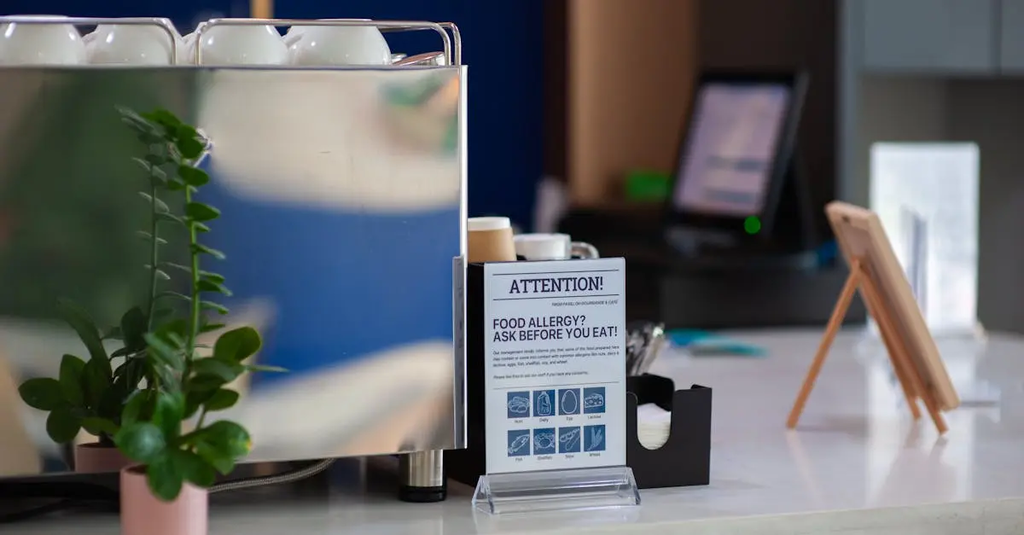
- Recognize common cross-contact scenarios at home, in restaurants, and in stores, and apply steps to prevent it (separate utensils, dedicated equipment, thorough cleaning).
- Develop a plan for communicating with food preparers and making safe choices, including what questions to ask and what to do if exposure occurs.
❓ Frequently Asked Questions
What is cross-contact and how can it cause an allergic reaction?
Cross-contact happens when an allergen touches another food or surface, transferring protein that can trigger reactions even in tiny amounts. Common sources include shared utensils, cookware, toasters, and countertops.
How should I read food labels to identify allergens?
Check the ingredient list for known allergens (e.g., milk, eggs, peanuts, tree nuts, fish, shellfish, soy, wheat) and look for allergen statements like 'Contains' or 'May contain.' Also note any facility or equipment warnings.
What do terms like 'may contain' and 'produced in a facility that also processes' mean?
'May contain' indicates possible trace amounts from shared equipment. 'Produced in a facility that also processes' signals cross-contact risk. If you’re highly allergic, avoid these products or contact the manufacturer for specifics.
How can I prevent cross-contact at home and when eating out?
Use separate utensils and cookware, clean surfaces thoroughly, and store allergen foods apart. When dining out, ask about ingredients and shared equipment, and choose labeled items when possible.
What should I do if I accidentally eat an allergen?
Stop eating the product, check the label, and follow your allergy action plan. Use an epinephrine auto-injector if prescribed and seek urgent medical help if symptoms occur.