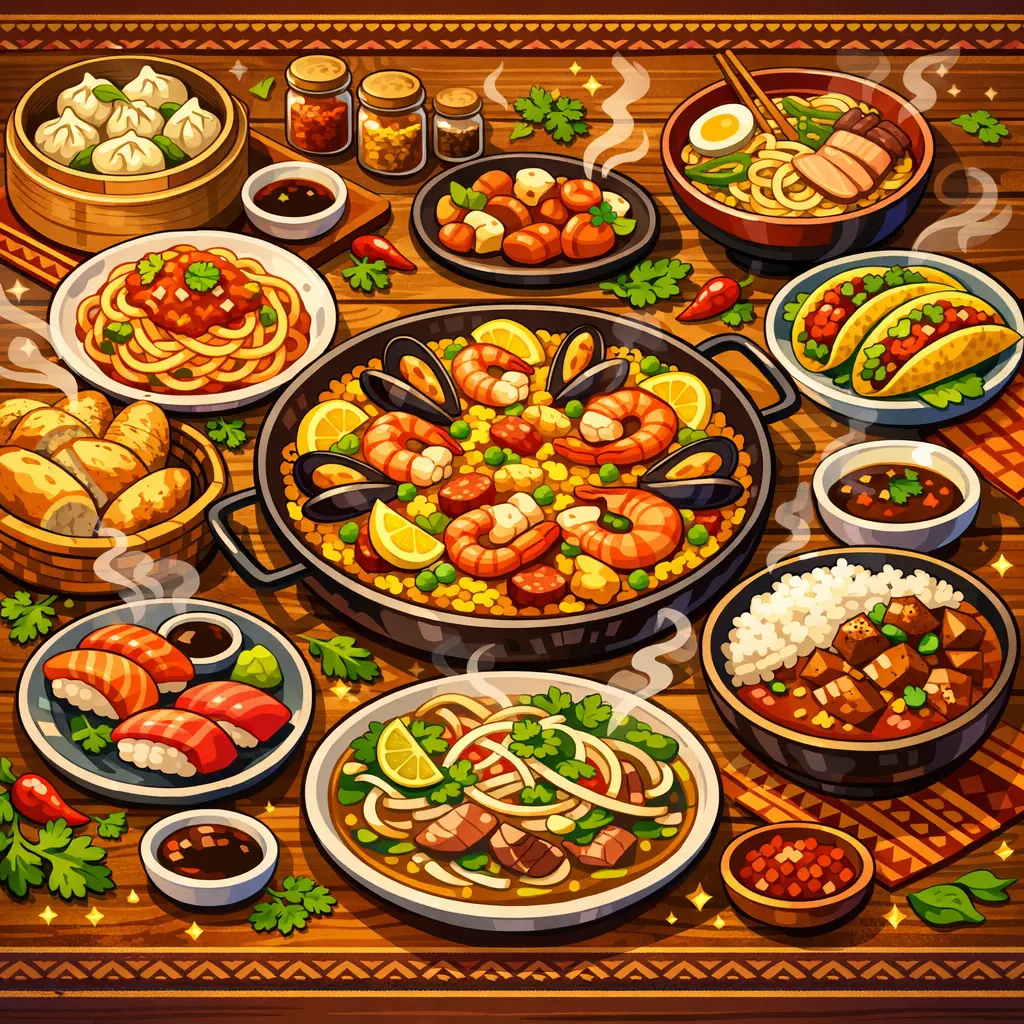
Food and culinary traditions are deeply intertwined with culture, religion, and society, reflecting values, beliefs, and historical influences. They shape communal identities, mark celebrations, and dictate dietary practices through religious or cultural norms. Culinary customs foster social bonds, transmit heritage across generations, and adapt to societal changes. Together, they offer insight into a community’s way of life, revealing how people connect, celebrate, and sustain their cultural legacy through food.
Food & Culinary Traditions+50
Food and culinary traditions are deeply intertwined with culture, religion, and society, reflecting values, beliefs, and historical influences. They shape communal identities, mark celebrations, and dictate dietary practices through religious or cultural norms. Culinary customs foster social bonds, transmit heritage across generations, and adapt to societal changes. Together, they offer insight into a community’s way of life, revealing how people connect, celebrate, and sustain their cultural legacy through food.
💡 Key Takeaways
- Explore how geography, history, and culture shape a cuisine's flavors and techniques.
- Identify staple ingredients, spices, and cooking methods that define major culinary traditions.
- Understand how meals reflect social rituals, festivals, and family dynamics.
- Compare traditional preservation, sourcing practices, and how globalization is impacting culinary heritage.
❓ Frequently Asked Questions
What is a culinary tradition?
A culture's customary cooking practices, ingredients, and dishes handed down through generations.
How do geography and history shape a region's cuisine?
Local climate and resources set the ingredients and techniques, while trade and cultural exchange influence flavors and dishes.
What is the difference between traditional dishes and fusion?
Traditional dishes follow long-standing regional recipes; fusion combines elements from different cuisines to create new flavors.
Why are seasonality and fresh ingredients important in culinary traditions?
Seasonal ingredients taste better and reflect what’s available locally, supporting sustainability and authentic flavor.