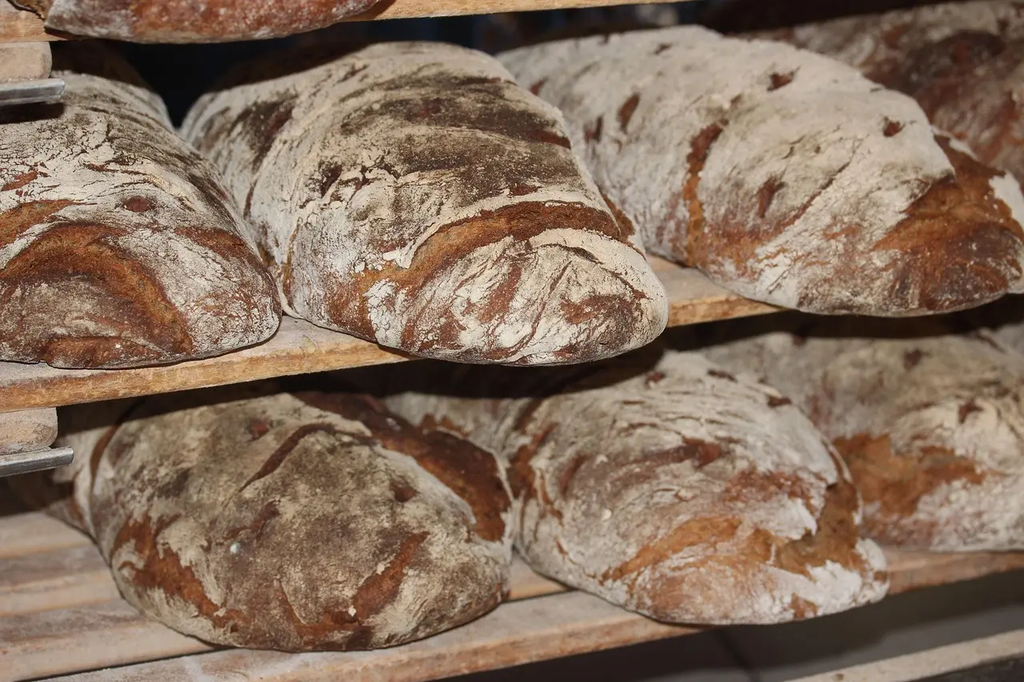
Food and Economics explores the relationship between what we eat and the economic forces that shape food production, distribution, and consumption. It delves into how supply and demand, pricing, trade, and market trends impact the availability and variety of foods and snacks. This field also examines how economic policies, consumer behavior, and global events influence food choices, affordability, and access, ultimately affecting diets and nutrition worldwide.
Food and Economics
Food and Economics explores the relationship between what we eat and the economic forces that shape food production, distribution, and consumption. It delves into how supply and demand, pricing, trade, and market trends impact the availability and variety of foods and snacks. This field also examines how economic policies, consumer behavior, and global events influence food choices, affordability, and access, ultimately affecting diets and nutrition worldwide.
💡 Key Takeaways
- Understand how supply and demand shape food prices and availability.
- Explain the roles of producers, retailers, and policymakers in food markets.
- Describe how subsidies, tariffs, and trade policies affect food costs globally and locally.
- Assess how factors like seasonality, waste, and policy choices influence affordability and food security.
❓ Frequently Asked Questions
What is food economics?
Food economics studies how food is produced, traded, priced, and consumed, and how markets, policies, and scarce resources affect affordability and availability.
How do supply and demand affect food prices?
Prices rise when demand outpaces supply and fall when supply exceeds demand, with weather, yields, income, and tastes shaping both sides.
What is price elasticity of demand in food?
A measure of how much quantity demanded changes with price. Staples tend to be inelastic, while luxury or non-essential foods are more elastic.
What role do governments play in food markets?
Policies like subsidies, tariffs, price supports, and nutrition programs influence production, prices, and access to food.
Why is reducing food waste economically important?
Wasting food wastes resources and production costs; reducing waste improves efficiency and can lower overall food prices.