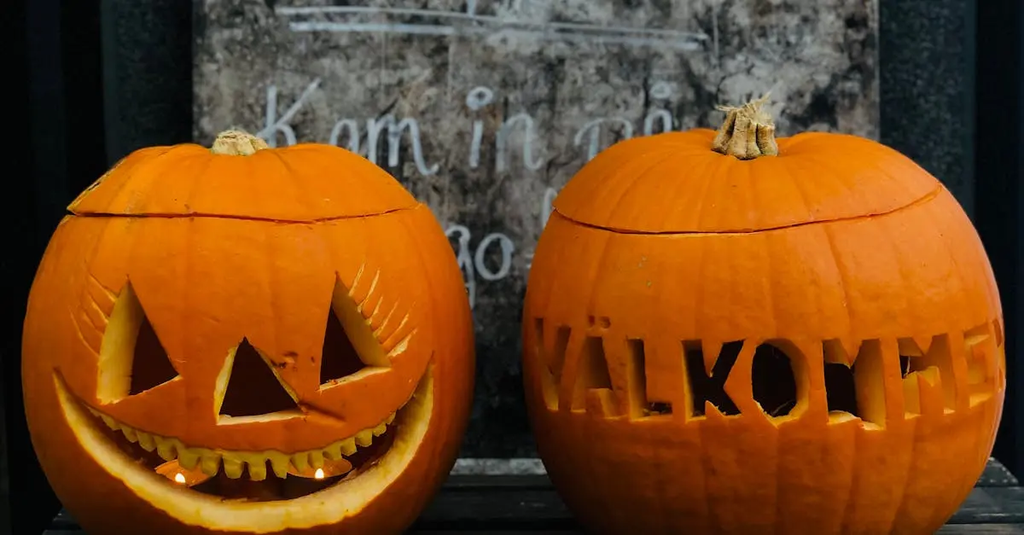
Food anthropology of midwinter feasts explores how diverse cultures use food to celebrate the winter solstice and related holidays. It examines traditional dishes, symbolic ingredients, and communal eating practices that foster social bonds and mark seasonal transitions. These feasts often blend ancient rituals with local customs, reflecting beliefs about renewal, abundance, and survival during the darkest time of year. Through food, communities express identity, resilience, and connection to nature’s cycles.
Food Anthropology of Midwinter Feasts
Food anthropology of midwinter feasts explores how diverse cultures use food to celebrate the winter solstice and related holidays. It examines traditional dishes, symbolic ingredients, and communal eating practices that foster social bonds and mark seasonal transitions. These feasts often blend ancient rituals with local customs, reflecting beliefs about renewal, abundance, and survival during the darkest time of year. Through food, communities express identity, resilience, and connection to nature’s cycles.
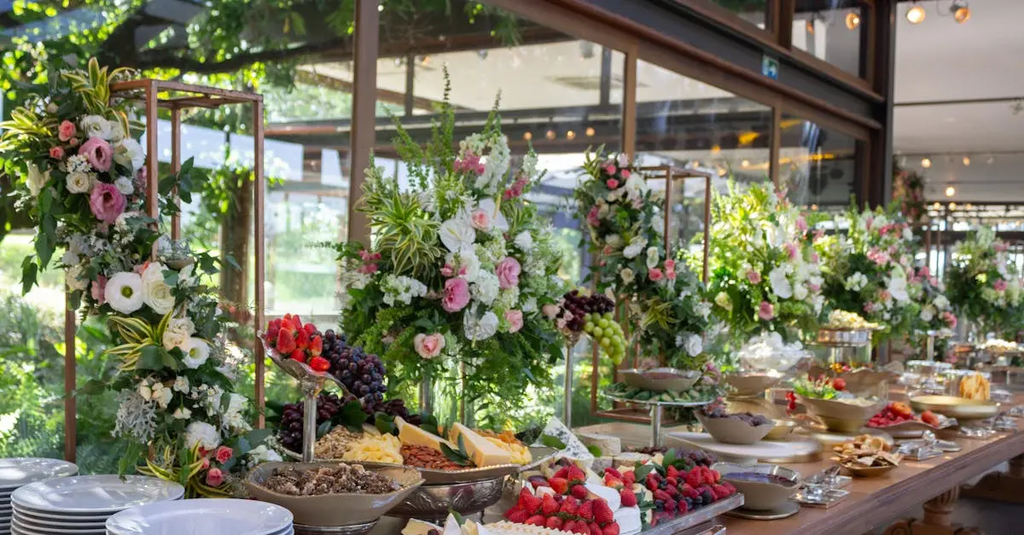
💡 Key Takeaways
- Understand how midwinter feasts use food to symbolize seasonal transitions across cultures.
- Identify traditional dishes and symbolic ingredients used in midwinter celebrations and their meanings.
- Explore how communal eating rituals during winter feasts foster social bonds, hospitality, and community identity.
- Compare how ancient traditions and modern practices blend in contemporary midwinter celebrations, including globalization's influence on ingredients and symbolism.
❓ Frequently Asked Questions
What is the main focus of the topic described in the title?
It explores how diverse cultures use food to celebrate the winter solstice and related holidays, including traditional dishes, symbolic ingredients, and communal eating.
Why are symbolic ingredients common in midwinter feasts?
They carry cultural meanings like abundance, protection, or renewal and help convey seasonal messages beyond taste.
How do communal eating practices support social bonds during holidays?
Shared meals and rituals bring people together, reinforce belonging, and help transmit traditions across generations.
How do midwinter feasts reflect the transition between seasons?
They use seasonal ingredients and rituals to acknowledge shorter days, celebrate the return of light, and reinforce community resilience through winter.
Do these celebrations vary across cultures?
Yes, but many share themes of gratitude, generosity, and symbol-laden foods that mark the season.