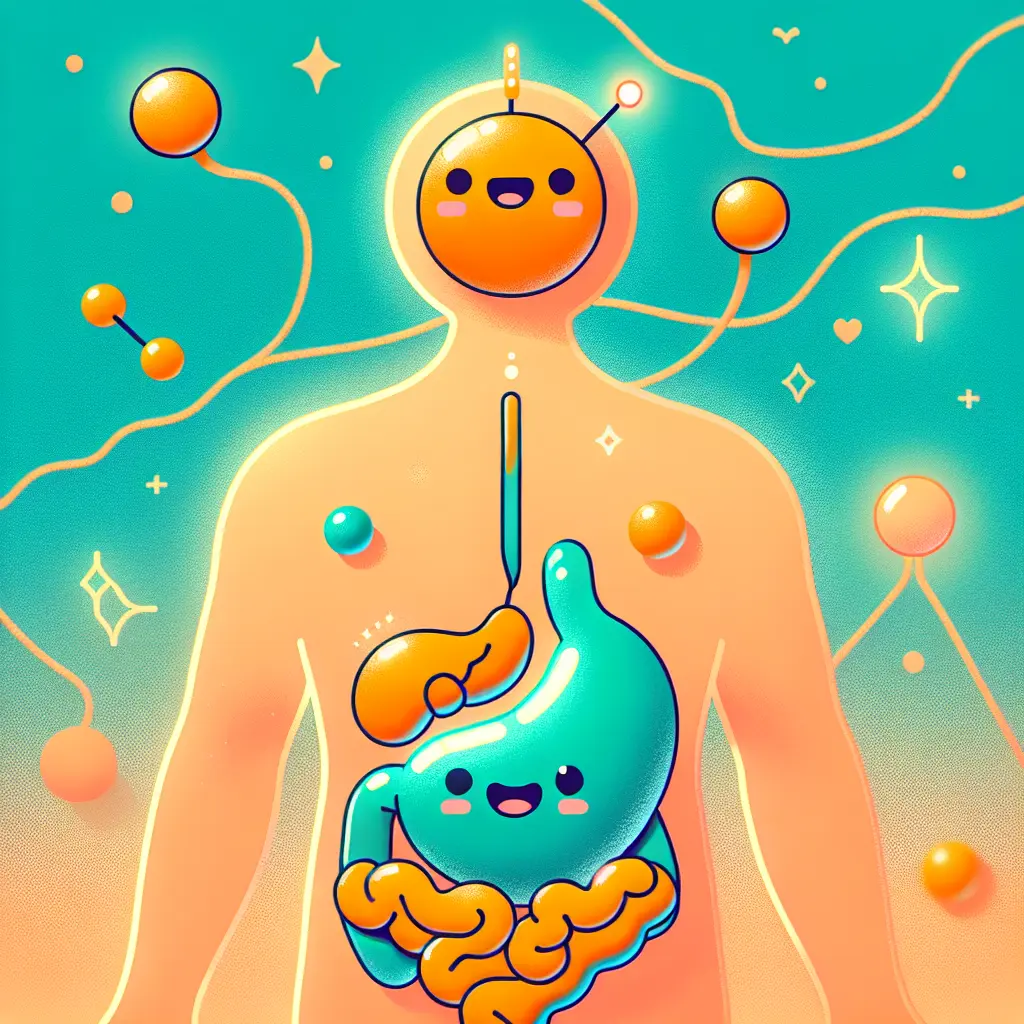
Food-drug interactions and timing refer to how the consumption of food affects the absorption, effectiveness, and side effects of medications. Certain foods can enhance or hinder the action of specific drugs, altering their intended effect. Timing is crucial, as taking medicine before, with, or after meals can significantly impact drug efficacy and safety. Understanding these interactions helps optimize therapeutic outcomes and minimize adverse reactions.
Food-Drug Interactions & Timing
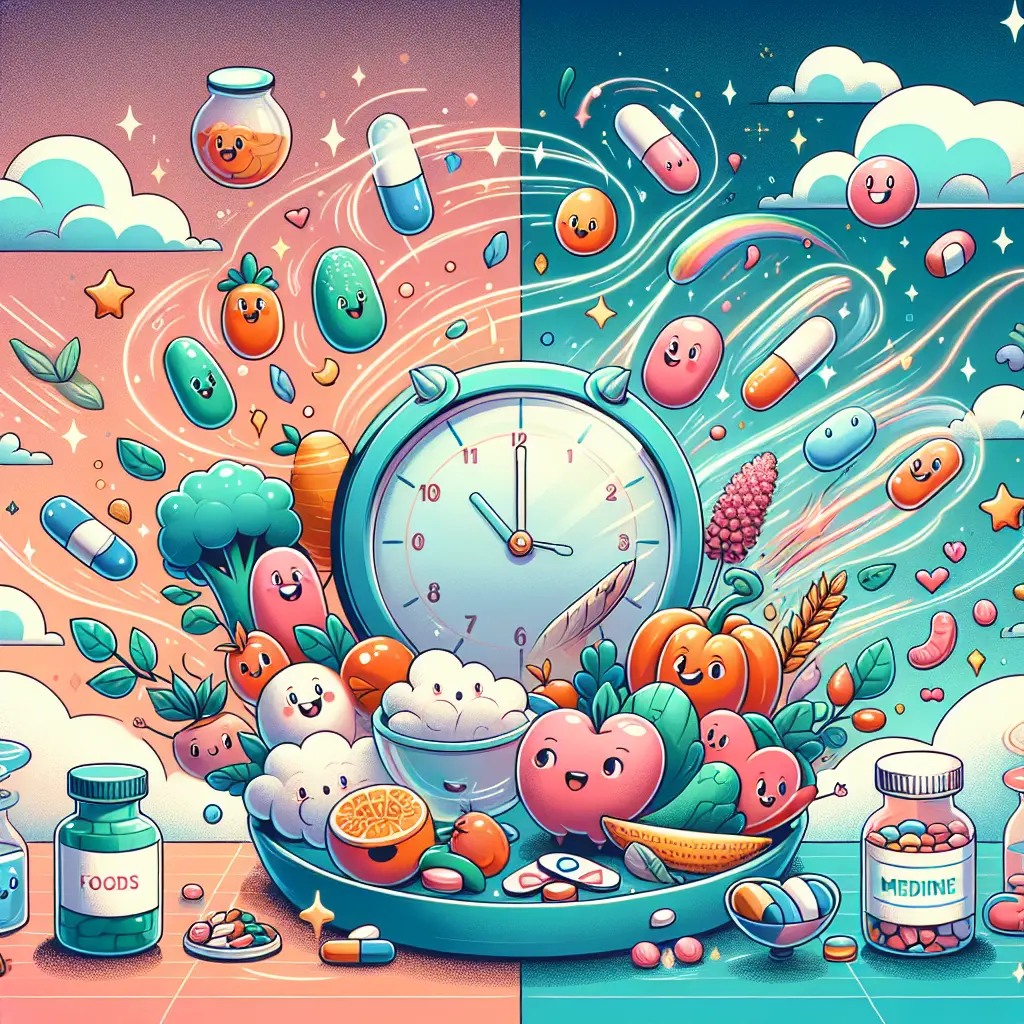
Food-drug interactions and timing refer to how the consumption of food affects the absorption, effectiveness, and side effects of medications. Certain foods can enhance or hinder the action of specific drugs, altering their intended effect. Timing is crucial, as taking medicine before, with, or after meals can significantly impact drug efficacy and safety. Understanding these interactions helps optimize therapeutic outcomes and minimize adverse reactions.
💡 Key Takeaways
- Understand what food-drug interactions are and how they can change drug absorption, effectiveness, and side effects.
- Explain how the timing of taking medicine relative to meals (before, with, or after) can influence its action.
- Identify common foods or nutrients that interact with medications (e.g., grapefruit, dairy/calcium, high-fiber foods, alcohol) and when to avoid or separate them from dosing.
- Apply practical strategies to manage interactions, including checking labels, consulting a healthcare professional, and maintaining a consistent meal–drug schedule.
❓ Frequently Asked Questions
What are food-drug interactions and why should I care?
Food-drug interactions occur when what you eat changes how a medicine is absorbed, processed, or eliminated. This can alter a drug’s effectiveness or cause unwanted side effects.
How can the timing of meals affect medicines?
Some medicines work best with food to improve absorption, while others should be taken on an empty stomach. Timing can influence how quickly a drug acts and its side effects.
Which common foods often interact with medications?
Examples include grapefruit juice with certain statins or blood pressure meds, dairy or calcium-rich foods with some antibiotics, and leafy greens with warfarin due to vitamin K content.
How can I minimize food-drug interactions in daily life?
Follow label directions, take medicines with water as advised, avoid known problem foods, space out supplements, and discuss all meds and foods with a pharmacist or physician.
What should I do if I suspect I’m experiencing an interaction?
Consult your healthcare provider, share all foods and supplements you’re taking, and avoid changing doses on your own. Seek urgent help if you notice severe or alarming symptoms.