Food preservation methods are techniques used to prevent food spoilage and extend shelf life. Common methods include drying, canning, freezing, pickling, and fermenting. These processes inhibit the growth of bacteria, yeasts, and molds that cause food to deteriorate. Preservation ensures food safety, reduces waste, and allows seasonal foods to be enjoyed year-round. Many snacks, such as dried fruits, jerky, and canned goods, rely on these methods for longevity and convenience.
Food Preservation Methods
Food preservation methods are techniques used to prevent food spoilage and extend shelf life. Common methods include drying, canning, freezing, pickling, and fermenting. These processes inhibit the growth of bacteria, yeasts, and molds that cause food to deteriorate. Preservation ensures food safety, reduces waste, and allows seasonal foods to be enjoyed year-round. Many snacks, such as dried fruits, jerky, and canned goods, rely on these methods for longevity and convenience.
💡 Key Takeaways
- Learn the main food preservation methods (refrigeration, freezing, canning, drying, fermentation, and pickling).
- Understand how time, temperature, and moisture affect shelf life and food safety.
- Distinguish between moisture-reduction methods (drying, dehydration) and water activity control (salting, sugaring, brining).
- Identify safe processing and storage practices, including proper canning techniques, labeling, and rotation.
- Recognize signs of spoilage and know when to discard foods.
❓ Frequently Asked Questions
What are the main methods used to preserve food?
Common methods include refrigeration/freezing, canning, drying/dehydration, salting/sugaring and pickling, fermentation, pasteurization, and irradiation.
How does refrigeration or freezing preserve food?
Cold temperatures slow microbial growth and enzyme activity, extending shelf life. Keep foods at about 0–4°C (32–39°F) or as recommended.
What is canning and how does it preserve food?
Food is sealed in sterile jars and heated to destroy microbes. The airtight seal prevents recontamination; low-acid foods require pressure canning, high-acid foods use water-bath canning.
What is dehydration (drying) and when is it used?
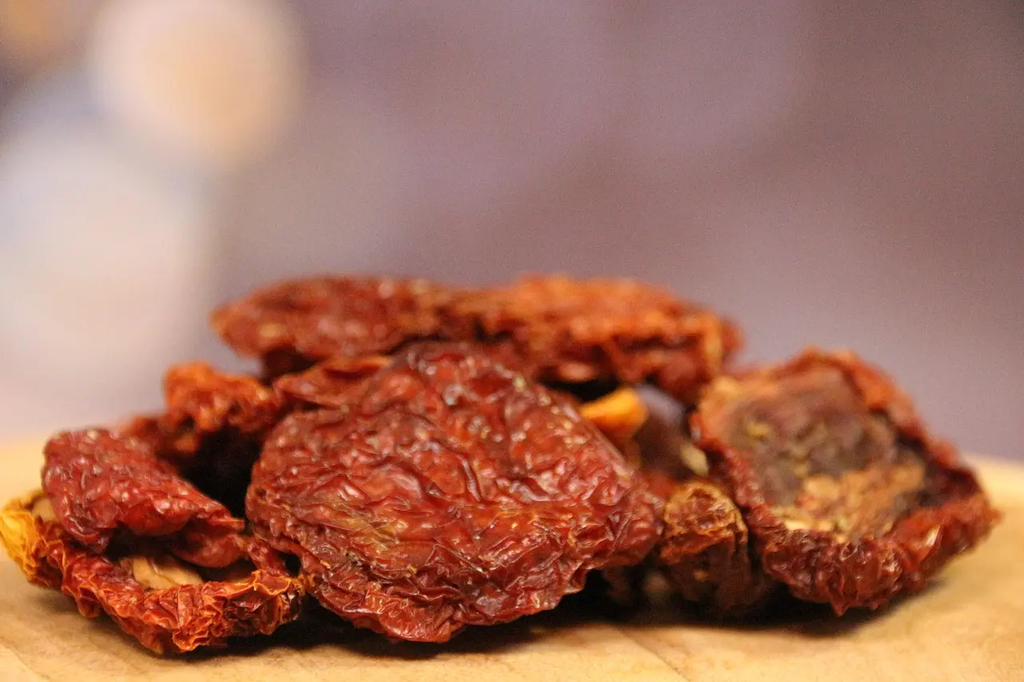
Water is removed to reduce water activity, slowing spoilage. Used for fruits, vegetables, herbs, and meats; dried foods are typically rehydrated before use.
What is fermentation and why does it preserve food?
Beneficial microbes produce acids or alcohol that lower pH and inhibit spoilage organisms, while often adding flavor. Examples include yogurt, sauerkraut, and kimchi.