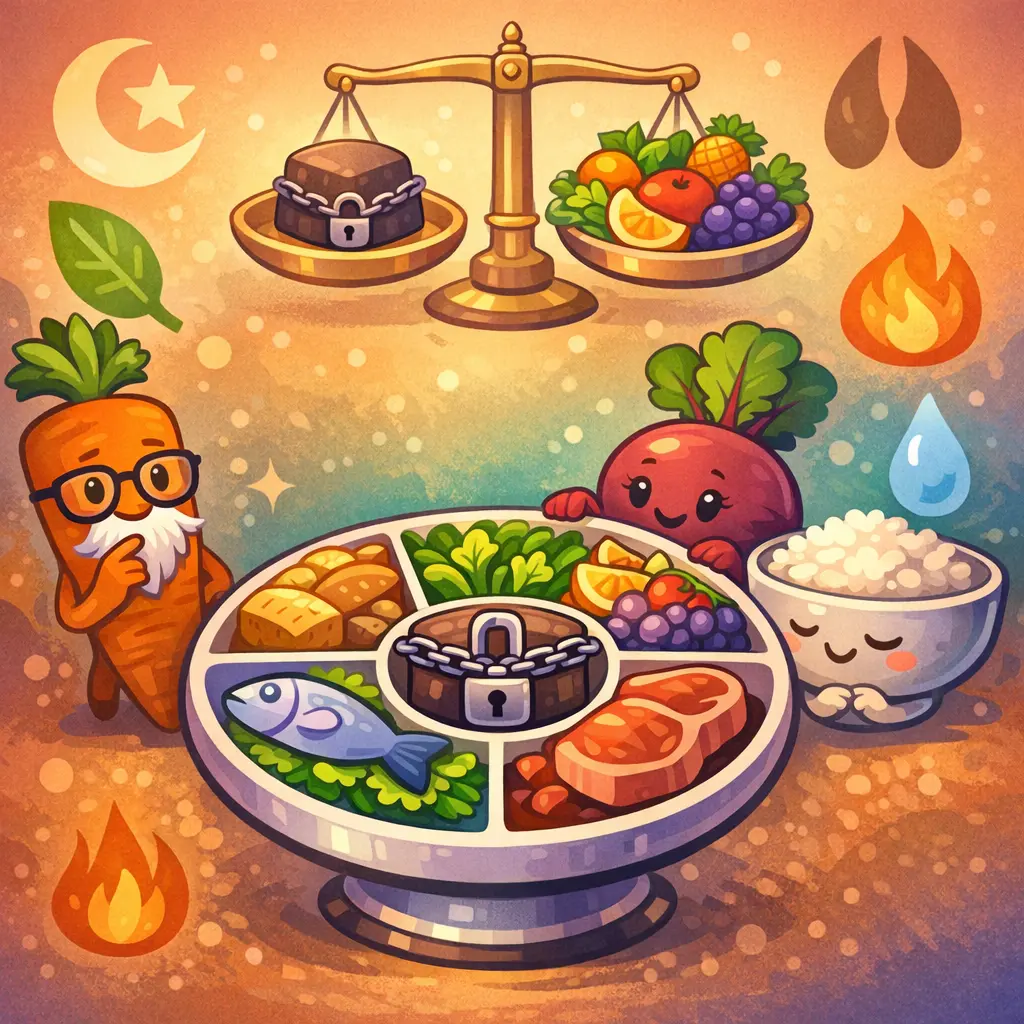
Food taboos, ethics, and symbolism reflect the deep connections between what people eat and their cultural, religious, and social identities. Certain foods are forbidden or revered due to religious teachings, ethical beliefs, or traditional customs. These practices shape group boundaries, convey moral values, and express symbolic meanings, such as purity or status. Through food choices and restrictions, societies reinforce cultural norms and maintain a sense of belonging and shared values among their members.
Food Taboos, Ethics & Symbolism
Food taboos, ethics, and symbolism reflect the deep connections between what people eat and their cultural, religious, and social identities. Certain foods are forbidden or revered due to religious teachings, ethical beliefs, or traditional customs. These practices shape group boundaries, convey moral values, and express symbolic meanings, such as purity or status. Through food choices and restrictions, societies reinforce cultural norms and maintain a sense of belonging and shared values among their members.
💡 Key Takeaways
- Identify cultural food taboos and the social rules behind them.
- Explain ethical considerations in food systems, including welfare, sustainability, and fair trade.
- Understand how food carries symbolic meaning in rituals, religion, and identity.
- Analyze cross-cultural food choices and dilemmas using context and critical thinking.
❓ Frequently Asked Questions
What are food taboos?
Food taboos are culturally or religiously restricted prohibitions on certain foods or eating practices; they vary widely between communities.
How do ethics influence our food choices?
Ethics consider animal welfare, environmental impact, and fair labor; these factors guide what we buy, eat, or avoid.
What is the role of symbolism in food across cultures?
Food can symbolize concepts like life, prosperity, or community during rituals and celebrations, such as bread in many traditions or dumplings in Lunar New Year.
Can food taboos change over time?
Yes. Education, globalization, science, and shifting values can relax or redefine taboos and influence evolving eating practices.