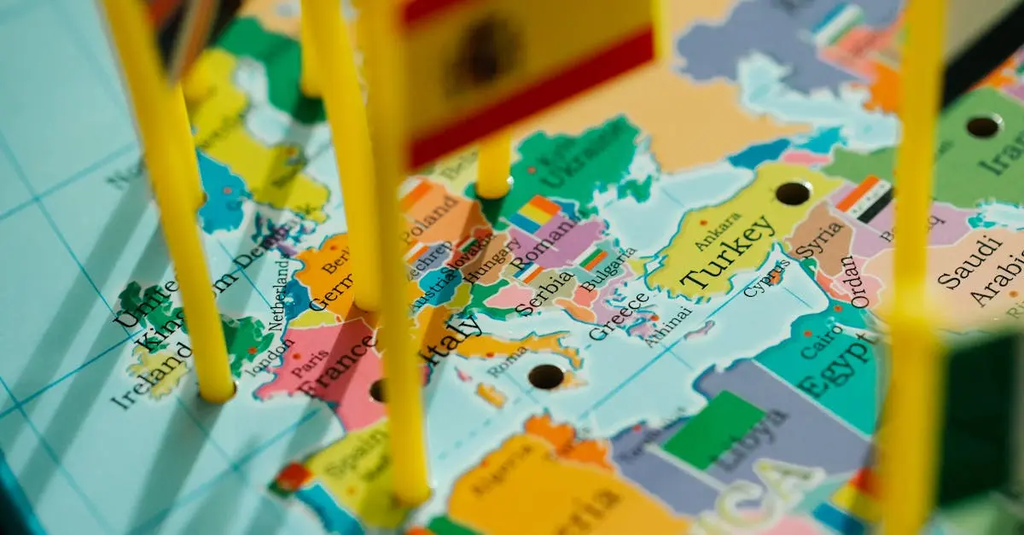
Foreign Direct Investment (FDI) refers to a company or individual from one country investing in business interests or assets in another country, often by acquiring ownership or control. Offshoring involves relocating business processes or production to another country to reduce costs or access specialized skills. Both strategies enable companies to expand globally, improve efficiency, and enhance competitiveness by leveraging international resources and market opportunities.
Foreign Direct Investment & Offshoring
Foreign Direct Investment (FDI) refers to a company or individual from one country investing in business interests or assets in another country, often by acquiring ownership or control. Offshoring involves relocating business processes or production to another country to reduce costs or access specialized skills. Both strategies enable companies to expand globally, improve efficiency, and enhance competitiveness by leveraging international resources and market opportunities.
💡 Key Takeaways
- Define foreign direct investment (FDI) and how it differs from portfolio investment.
- Distinguish offshoring from outsourcing and nearshoring, and why firms offshore activities.
- Identify common FDI modes (greenfield, acquisitions) and typical motives (cost, market access, resources, technology).
- Evaluate impacts and risks of FDI and offshoring on home and host economies, plus regulatory, currency, and governance considerations.
❓ Frequently Asked Questions
What is foreign direct investment (FDI)?
FDI is investment by a firm from one country into business operations in another, typically involving ownership of 10%+ of voting shares or the establishment/management of foreign facilities.
What is offshoring?
Offshoring is relocating production or services to another country to reduce costs or access skills; it can involve building foreign facilities (FDI) or outsourcing to foreign providers.
How are FDI and offshoring related?
FDI is a form of offshoring when a company owns and operates foreign facilities. Offshoring can also occur without ownership via outsourcing to foreign firms.
What are the main types of FDI?
Greenfield investments (building new facilities) and mergers/acquisitions (buying existing foreign firms) are the primary forms; joint ventures with local partners are another common structure.