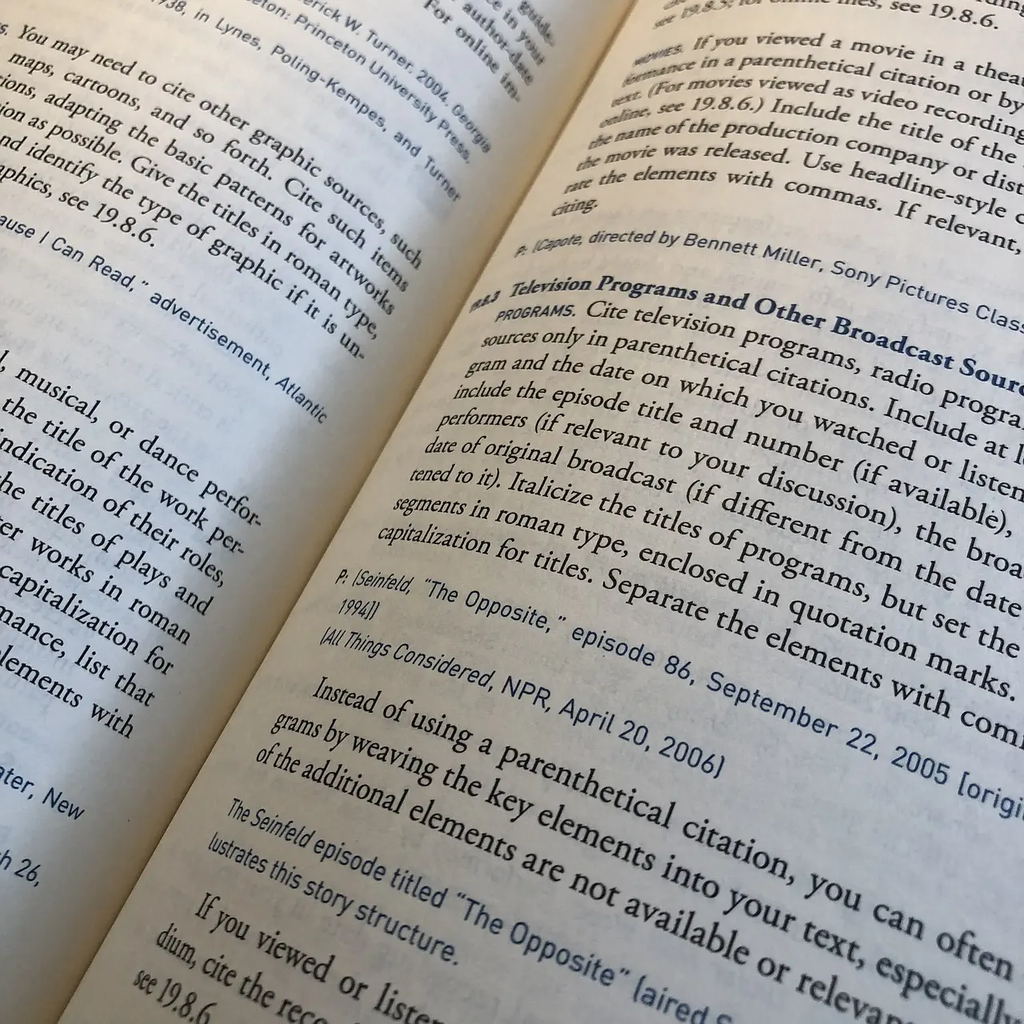
Forensic evidence refers to scientific data, such as DNA, fingerprints, or ballistics, collected and analyzed to help solve crimes. Expert testimony involves specialists presenting their professional opinions or interpretations of this evidence in court. Together, they play a crucial role in criminal investigations and trials by providing objective, technical insights that can corroborate or challenge other evidence, helping judges and juries make informed decisions about guilt or innocence.
Forensic Evidence and Expert Testimony
Forensic evidence refers to scientific data, such as DNA, fingerprints, or ballistics, collected and analyzed to help solve crimes. Expert testimony involves specialists presenting their professional opinions or interpretations of this evidence in court. Together, they play a crucial role in criminal investigations and trials by providing objective, technical insights that can corroborate or challenge other evidence, helping judges and juries make informed decisions about guilt or innocence.
💡 Key Takeaways
- Identify common forensic evidence types (DNA, fingerprints, ballistics) and how they are collected and preserved.
- Describe how forensic analysis works and how experts translate findings into courtroom opinions.
- Understand the role and limits of expert testimony in court, including explaining methods and uncertainties.
- Learn key admissibility standards (Daubert/Frye) and the importance of chain of custody and methodological reliability.
❓ Frequently Asked Questions
What is forensic evidence?
Forensic evidence is scientific data gathered from crime scenes or investigations (e.g., DNA, fingerprints, ballistics) used to establish facts in a case.
What are common examples of forensic evidence?
DNA analysis, fingerprint analysis, ballistics, toxicology, and digital forensics are common examples.
Who presents expert testimony in court?
Qualified specialists such as forensic scientists, crime lab analysts, or medical examiners who interpret and explain their analyses.
What is expert testimony?
An opinion from a qualified expert that interprets forensic findings for the court and explains their significance.
How do forensic evidence and expert testimony work together in a criminal case?
Forensic analysis provides data and interpretations, and the expert presents these findings in court to help the judge or jury understand what the evidence shows.