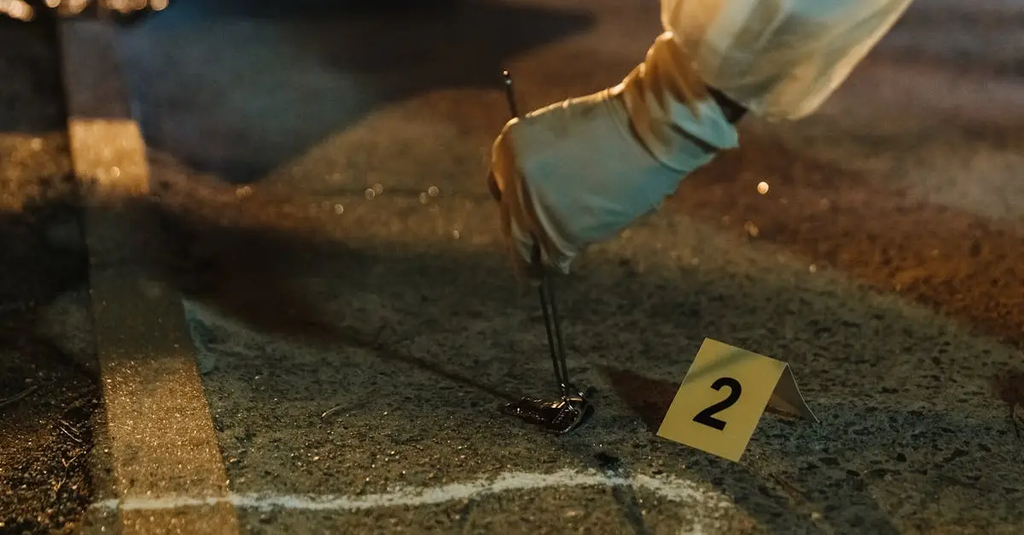
Forensic science and investigation involve the application of scientific methods and techniques to analyze physical evidence from crime scenes. This multidisciplinary field helps law enforcement agencies solve crimes by examining fingerprints, DNA, trace materials, and digital data. Investigators use forensic analysis to reconstruct events, identify suspects, and present objective findings in court. The process ensures that evidence is collected, preserved, and interpreted accurately, supporting justice and the legal system.
Forensic Science and Investigation
Forensic science and investigation involve the application of scientific methods and techniques to analyze physical evidence from crime scenes. This multidisciplinary field helps law enforcement agencies solve crimes by examining fingerprints, DNA, trace materials, and digital data. Investigators use forensic analysis to reconstruct events, identify suspects, and present objective findings in court. The process ensures that evidence is collected, preserved, and interpreted accurately, supporting justice and the legal system.
💡 Key Takeaways
- Understand how forensic science applies scientific methods to analyze crime-scene evidence.
- Learn how fingerprints, DNA, and trace materials are collected, analyzed, and interpreted.
- Recognize the role of digital forensics and data analysis in modern investigations.
- Describe the investigative workflow from scene preservation to lab analysis and courtroom presentation.
- Appreciate the multidisciplinary collaboration among labs, investigators, and legal professionals.
❓ Frequently Asked Questions
What is forensic science?
Forensic science is the application of scientific methods to analyze physical evidence from crime scenes, helping solve crimes and support legal proceedings.
What kinds of evidence do forensic scientists examine?
Biological material (DNA, blood), trace materials (fibers, glass, soil), fingerprints, ballistic evidence, drugs, and digital data.
How does DNA analysis contribute to investigations?
DNA analysis compares genetic material from evidence with suspects or databases to establish identity or links to a crime.
What is fingerprint analysis and its significance?
Fingerprint analysis studies unique patterns at a crime scene to identify individuals, providing strong, often decisive, evidence.
What is chain of custody and why is it important?
Chain of custody is the documented sequence of handling evidence from collection to court, ensuring integrity and admissibility in court.