Forensic Visual Clues (Visual Challenge Vault) refers to a collection or repository of images, videos, or visual materials designed to test and enhance observational and analytical skills. These visual challenges present subtle details, anomalies, or evidence requiring careful examination, much like those encountered in forensic investigations. Participants analyze these clues to draw conclusions, solve mysteries, or practice forensic reasoning, making it a valuable tool for training, education, or entertainment in visual problem-solving.
Forensic Visual Clues
Forensic Visual Clues (Visual Challenge Vault) refers to a collection or repository of images, videos, or visual materials designed to test and enhance observational and analytical skills. These visual challenges present subtle details, anomalies, or evidence requiring careful examination, much like those encountered in forensic investigations. Participants analyze these clues to draw conclusions, solve mysteries, or practice forensic reasoning, making it a valuable tool for training, education, or entertainment in visual problem-solving.
💡 Key Takeaways
- Identify visual clues in crime scenes and photos, including lighting, shadows, angles, and backgrounds, to gauge what happened.
- Recognize that images can be manipulated and learn basic checks to assess authenticity and integrity of visual evidence.
- Learn how to document and preserve visual evidence properly, including metadata and chain-of-custody basics.
- Understand how context and sequence of events influence interpretation, and avoid over-relying on a single image.
❓ Frequently Asked Questions
What are forensic visual clues?
Visual evidence from a crime scene that, when analyzed, helps reconstruct events and identify objects, people, or actions.
How can fingerprint visuals help identify suspects?
Fingerprints have unique ridge patterns (loops, whorls, arches); when collected and compared to databases, they can link someone to a surface or scene.
What can bloodstain patterns reveal?
The shape, size, distribution, and angle of drops can indicate the weapon used, distance, and the sequence of events.
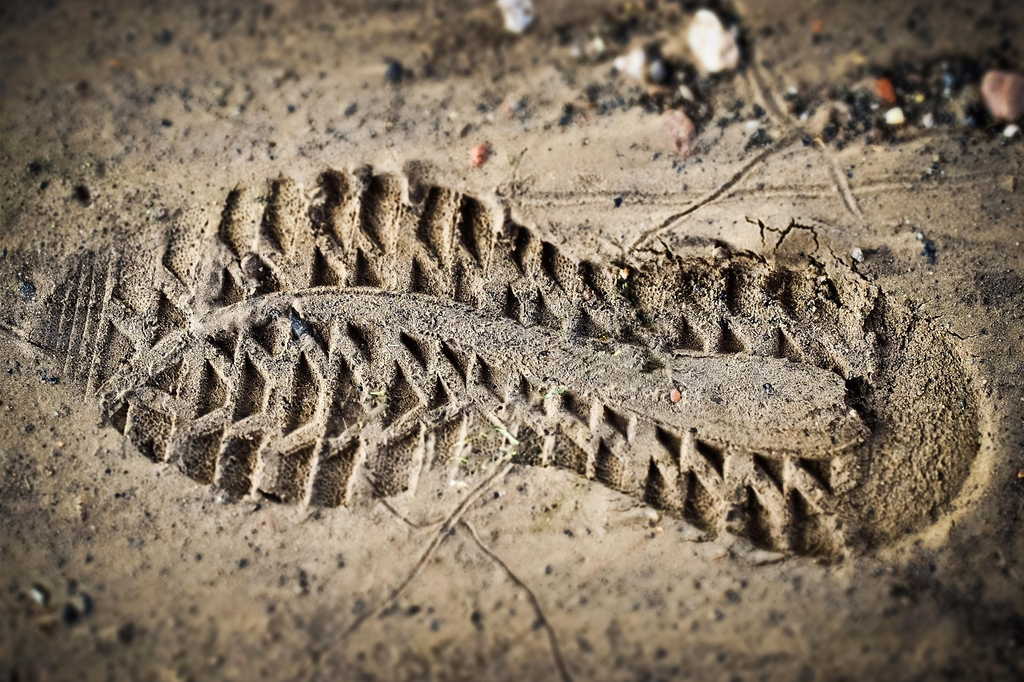
How do shoe prints and tool marks provide visual clues?
Impressions carry distinctive patterns that can be matched to footwear or tools, helping to place a suspect at the scene.
What role do fibers and trace visuals play in forensics?
Microscopic examination of fibers reveals type, color, and weave, linking clothing or items to the crime scene.