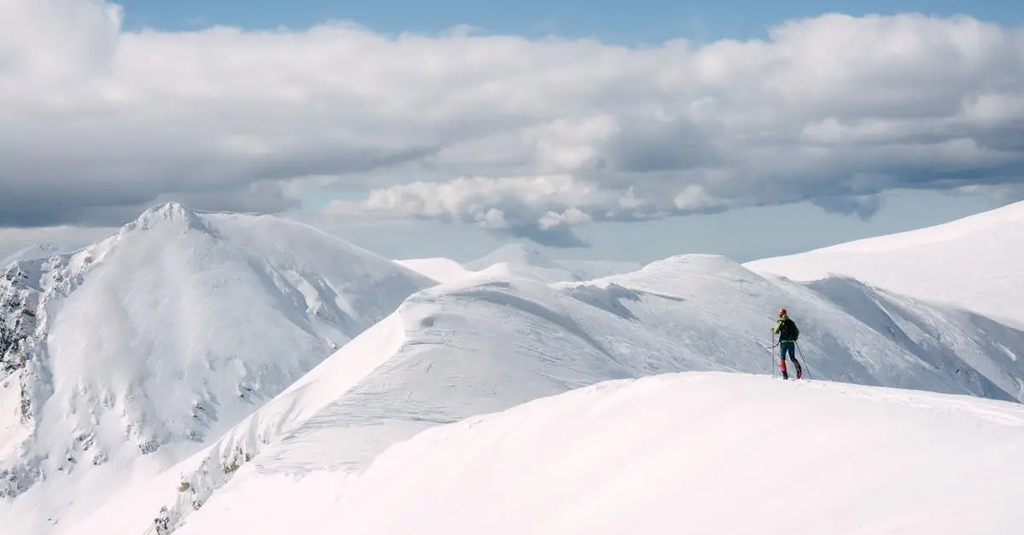
Freeride skiing involves navigating ungroomed, often challenging mountain terrain, typically outside marked ski runs. This adventurous sport emphasizes creativity, skill, and adaptability. Snow safety is crucial in freeride skiing, as skiers face risks like avalanches, hidden obstacles, and variable snow conditions. Proper equipment, avalanche training, and awareness of weather and terrain are essential to minimize dangers and ensure a safe, enjoyable experience in the unpredictable backcountry environment.
Freeride Skiing and Snow Safety
Freeride skiing involves navigating ungroomed, often challenging mountain terrain, typically outside marked ski runs. This adventurous sport emphasizes creativity, skill, and adaptability. Snow safety is crucial in freeride skiing, as skiers face risks like avalanches, hidden obstacles, and variable snow conditions. Proper equipment, avalanche training, and awareness of weather and terrain are essential to minimize dangers and ensure a safe, enjoyable experience in the unpredictable backcountry environment.
💡 Key Takeaways
- Recognize main freeride risks (avalanches, hidden obstacles, variable snow) and how to reduce exposure.
- Read terrain and snowpack to assess avalanche danger and make safer route choices.
- Carry and know how to use essential safety gear (beacon, probe, shovel, helmet, first aid).
- Plan trips with terrain, weather, and group communication; choose safer slopes and set decision thresholds.
- Practice rescue basics: buddy checks, signaling, and basic on-slope emergency responses.
❓ Frequently Asked Questions
What is freeride skiing?
Freeride skiing is skiing on ungroomed, off-piste terrain outside marked runs, focusing on creativity, line choice, and adapting to changing snow and terrain.
What are the main safety risks in freeride skiing and how can you reduce them?
Key risks are avalanches and hidden obstacles (rocks, trees, cliffs). Reduce risk by checking forecasts, traveling with a partner, using proper safety gear, and assessing slope angle and snow conditions before descending.
What essential safety gear should you carry for freeride skiing?
Carry an avalanche beacon/transceiver, a shovel, and a probe, plus a helmet. A backpack with airbags and a basic first-aid kit and communication device is also recommended.
How should you prepare for a freeride run?
Plan your route using current forecasts, check avalanche risk, ride with a partner, maintain safe spacing, know escape routes, and rehearse beacon/shovel/probe use before leaving the marked runs.