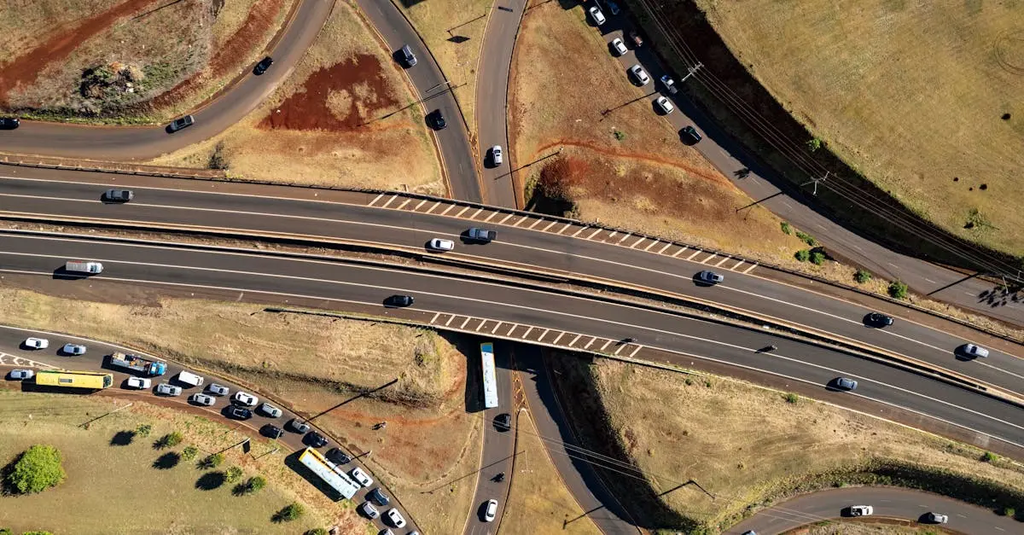
The phrase "Freeway Interchange Icons and the Politics of Urban Renewal" refers to how the design and symbolism of freeway interchanges reflect broader political decisions about city development. These iconic structures often represent progress and modernity, but their placement and construction are deeply tied to controversial urban renewal policies that have historically displaced communities, reshaped neighborhoods, and prioritized car-centric infrastructure, highlighting tensions between growth, equity, and social justice in urban planning.
Freeway Interchange Icons and the Politics of Urban Renewal
The phrase "Freeway Interchange Icons and the Politics of Urban Renewal" refers to how the design and symbolism of freeway interchanges reflect broader political decisions about city development. These iconic structures often represent progress and modernity, but their placement and construction are deeply tied to controversial urban renewal policies that have historically displaced communities, reshaped neighborhoods, and prioritized car-centric infrastructure, highlighting tensions between growth, equity, and social justice in urban planning.
💡 Key Takeaways
- Understand how freeway interchange design and iconography reflect political decisions in urban renewal.
- Learn how the placement and aesthetics of interchanges symbolize progress, modernity, and state power.
- Analyze the social and equity implications of freeway planning, including displacement and access disparities in affected neighborhoods.
- Explore how infrastructure branding, naming, and monumentality influence public memory and city identity.
❓ Frequently Asked Questions
What are freeway interchange icons in urban planning?
Large, prominent overpasses and ramps that symbolize a city’s progress; their design conveys political choices about growth and modernization.
How do interchange designs reflect the politics of urban renewal?
Where and how interchanges are built reveals priorities in funding, neighborhood focus, and redevelopment goals, balancing mobility gains with potential community costs.
What impacts can freeway interchanges have on nearby communities?
They can affect traffic flow, accessibility, noise and air quality, and can shape displacement, land value, and neighborhood cohesion.
How can designers make interchange projects more equitable?
By engaging communities, minimizing disruption, integrating transit, protecting affordable housing, adding green spaces, and ensuring benefits reach underserved areas.