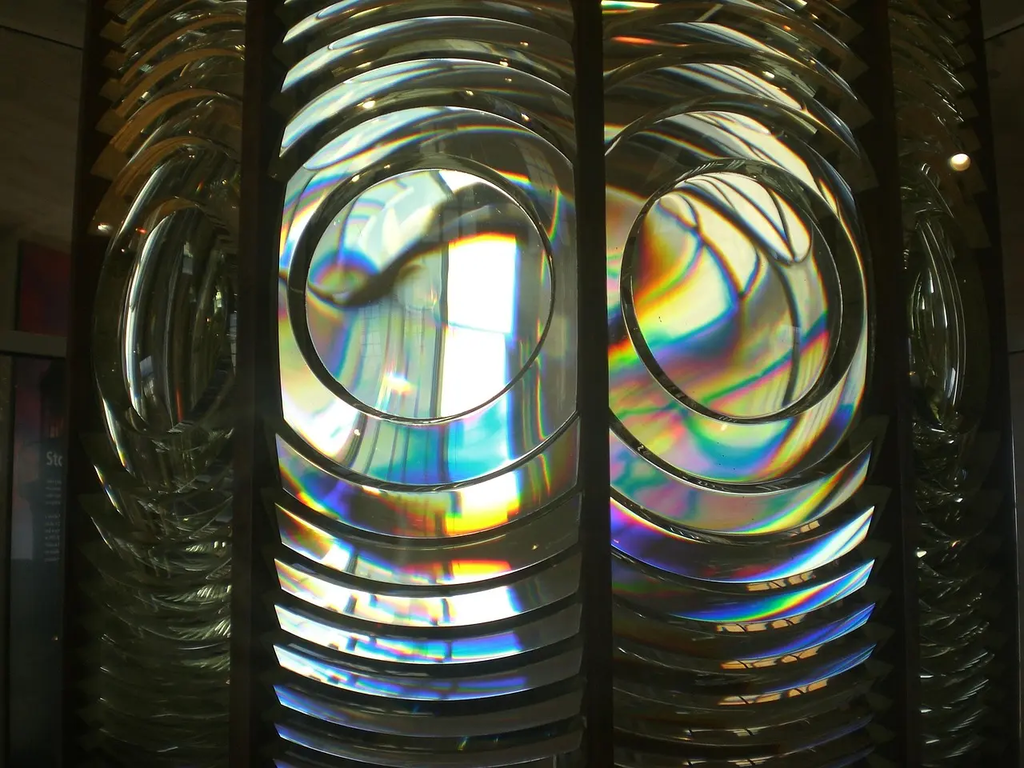
Fresnel lenses revolutionized lighthouse technology by allowing lighthouses to emit powerful, focused beams of light visible over much greater distances than traditional mirrors or glass. Invented by Augustin-Jean Fresnel in the early 19th century, these lenses used concentric rings to bend and concentrate light efficiently. This innovation greatly improved maritime safety, enabling ships to navigate treacherous coastlines more reliably and marking a significant advancement in navigational aids.
Fresnel Lenses and the Evolution of Lighthouse Technology
Fresnel lenses revolutionized lighthouse technology by allowing lighthouses to emit powerful, focused beams of light visible over much greater distances than traditional mirrors or glass. Invented by Augustin-Jean Fresnel in the early 19th century, these lenses used concentric rings to bend and concentrate light efficiently. This innovation greatly improved maritime safety, enabling ships to navigate treacherous coastlines more reliably and marking a significant advancement in navigational aids.
💡 Key Takeaways
- Understand how Fresnel lenses dramatically increased lighthouse light range compared to older mirror-based systems.
- Explain how the concentric ring (Fresnel) design reduces weight while efficiently bending and focusing light.
- Identify Augustin-Jean Fresnel and the early-19th century context that led to this breakthrough in maritime safety.
- Explore how Fresnel lens technology contributed to iconic American lighthouse landmarks and their enduring legacy.
❓ Frequently Asked Questions
What is a Fresnel lens?
A lightweight, multi-ring lens that concentrates light into a bright, narrow beam, designed to be efficient and easier to manufacture for lighthouses.
How did Fresnel lenses extend a lighthouse's visibility range?
By focusing more of the lamp’s light into a single, powerful beam with less loss, allowing ships to see the light from greater distances.
Who invented the Fresnel lens and when?
Augustin-Jean Fresnel invented it in the early 19th century, around the 1820s.
What are Fresnel lens orders and why do they matter?
Orders are size categories that determine a lens’s range and beam width. Larger orders (e.g., 1st order) produce longer-range beams used on major lighthouses, while smaller orders are for shorter-range lights.
Why are Fresnel lenses important in American lighthouse history?
They powered many iconic U.S. lighthouses, enhancing maritime safety and becoming enduring symbols of coastal heritage and hidden gems along the shoreline.