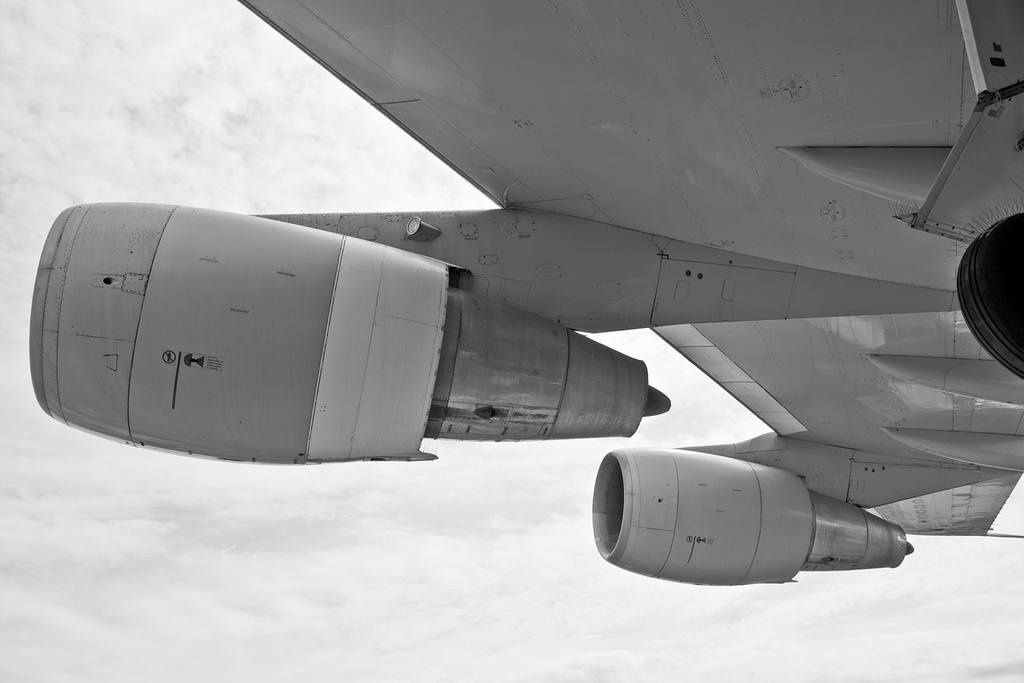
Airplanes use different fuel types depending on their engine design and purpose. Most commercial jets run on aviation turbine fuel, such as Jet-A or Jet-A1, which are refined kerosene-based fuels. Smaller piston-engine planes typically use aviation gasoline, known as avgas. Some modern aircraft may also utilize biofuels or blended fuels to reduce environmental impact. The choice of fuel affects performance, efficiency, and emissions, making it a critical aspect of airplane operation.
Fuel Types for Airplanes
Airplanes use different fuel types depending on their engine design and purpose. Most commercial jets run on aviation turbine fuel, such as Jet-A or Jet-A1, which are refined kerosene-based fuels. Smaller piston-engine planes typically use aviation gasoline, known as avgas. Some modern aircraft may also utilize biofuels or blended fuels to reduce environmental impact. The choice of fuel affects performance, efficiency, and emissions, making it a critical aspect of airplane operation.
💡 Key Takeaways
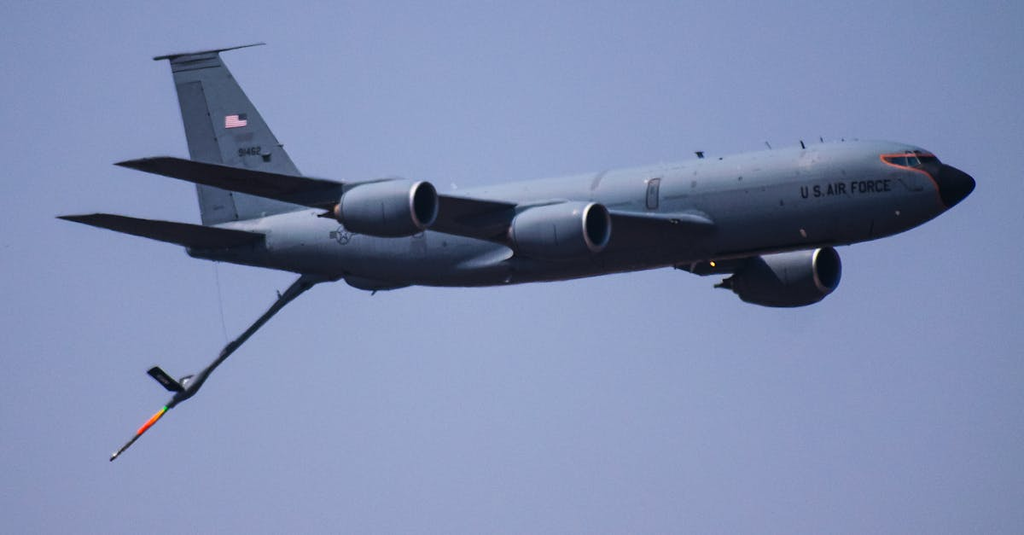
- Identify the main categories of aviation fuels (avgas for piston engines; Jet fuels like Jet A/Jet A-1 for most aircraft; JP-8 for some military use).
- Distinguish Jet A, Jet A-1, and Jet B by freezing point, additives, and typical deployment.
- Explain why Jet A-1 is the standard in commercial aviation and how it differs from other fuels in practice.
- Understand how fuel properties—energy density, freezing point, viscosity, and safety factors—affect engine performance and fuel-system design.
- Get an overview of sustainable aviation fuels (SAF) and how blending with conventional fuels aims to reduce emissions.
❓ Frequently Asked Questions
What are the main fuel types used in airplanes today?
Most airliners use jet fuel (kerosene-based) for turbine engines (Jet A-1). Some general aviation aircraft use avgas (aviation gasoline) for piston engines. Sustainable Aviation Fuel (SAF) can be blended with Jet A-1 to reduce lifecycle emissions.
What is Jet A-1 and where is it used?
Jet A-1 is a kerosene-based jet fuel used in most commercial and cargo aircraft worldwide; it’s designed for turbine engines and has a very low freezing point for high-altitude performance.
What is avgas and what aircraft use it?
Avgas is aviation gasoline for piston-engine airplanes, typically 100LL. It provides high octane for spark-ignited engines and is common in general aviation.
What is SAF and why is it important?
Sustainable Aviation Fuel (SAF) is produced from renewable or waste resources and can be blended with Jet A-1. It reduces overall lifecycle CO2 emissions, helping airlines fly greener.
Are there future fuels for aircraft that don’t rely on kerosene?
Yes. Research is exploring hydrogen, electric propulsion, and other biofuels. Some experimental flights exist, but widespread use requires new engines, storage, and infrastructure.