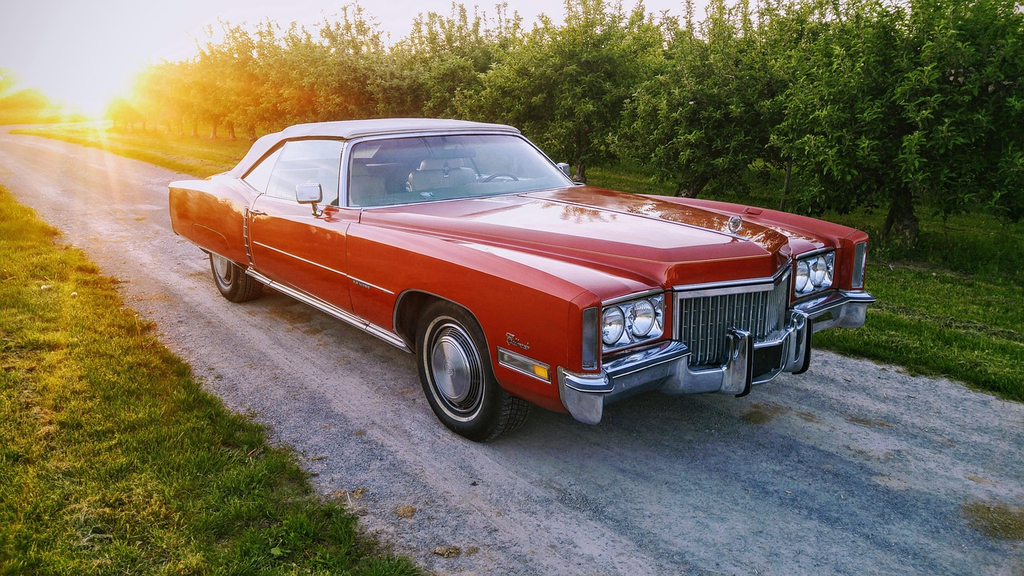
Fuel types for cars refer to the various energy sources that power vehicles, influencing their performance and environmental impact. Common types include gasoline, diesel, electricity (for electric cars), and hybrid systems that combine fuel and electric power. Alternative fuels like compressed natural gas (CNG), hydrogen, and biofuels are also used to reduce emissions and reliance on traditional fossil fuels. The choice of fuel affects efficiency, cost, and sustainability.
Fuel Types for Cars
Fuel types for cars refer to the various energy sources that power vehicles, influencing their performance and environmental impact. Common types include gasoline, diesel, electricity (for electric cars), and hybrid systems that combine fuel and electric power. Alternative fuels like compressed natural gas (CNG), hydrogen, and biofuels are also used to reduce emissions and reliance on traditional fossil fuels. The choice of fuel affects efficiency, cost, and sustainability.
💡 Key Takeaways
- Identify the main car fuel types (gasoline, diesel, hybrid, electric) and their basic operating principles.
- Compare the efficiency, costs, and emissions associated with each fuel type.
- Understand how refueling or recharging works for different fuels and how range can vary.
- Know how the fuel type influences vehicle choice, maintenance needs, and fueling infrastructure.
❓ Frequently Asked Questions
What are the main fuel types used by cars today?
The main types are gasoline (spark-ignition engines), diesel (compression-ignition engines), and electricity for EVs. Hybrids use both an engine and electric drive. There are also alternatives like ethanol blends, biodiesel, natural gas, and hydrogen in some vehicles.
How does gasoline differ from diesel?
Gasoline powers spark-ignition engines and diesel powers compression-ignition engines. Diesel fuel has higher energy density and often better fuel economy, but diesels emit more NOx and particulates unless equipped with proper exhaust controls.
What is an electric vehicle (EV) and how is it different from a hybrid?
An EV runs entirely on battery electricity and is charged from an external power source. A hybrid uses both an internal combustion engine and an electric motor, with most power from the engine unless cruising on electricity; plug-in hybrids can recharge from the grid.
What are alternative fuels like ethanol, biodiesel, natural gas, and hydrogen?
Ethanol and biodiesel are renewable blends used in some gasoline or diesel vehicles. Natural gas vehicles run on CNG/LNG, and hydrogen vehicles use fuel cells or hydrogen combustion where available. Availability and infrastructure vary by region.
How do I know which fuel my car uses and what fuel to use?
Check the owner’s manual and the fuel filler label on the car. Using the wrong fuel can damage the engine and emissions systems; always fuel with the type recommended by the manufacturer.