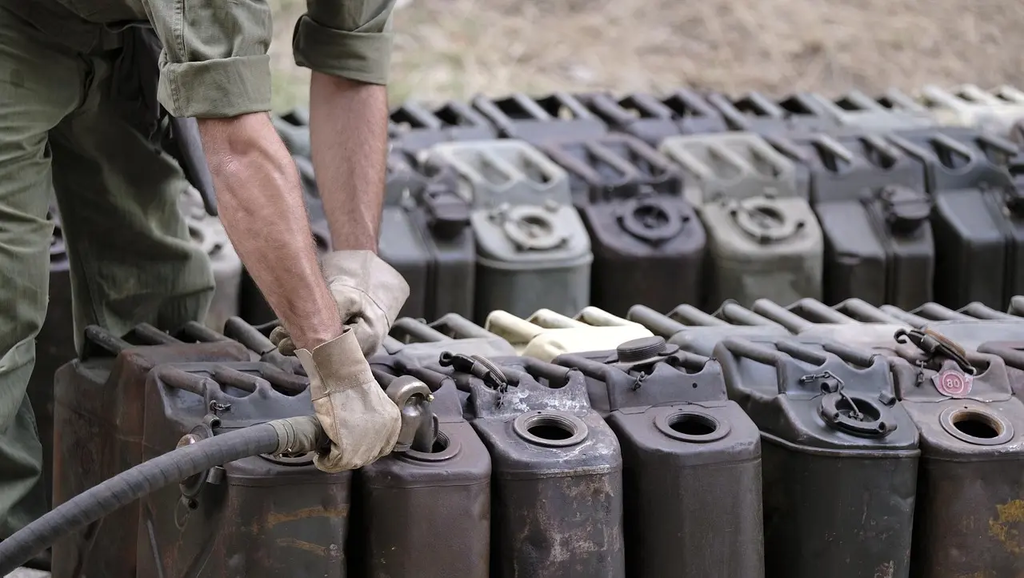
Fueling and refueling best practices refer to the recommended procedures and safety measures for handling fuel. These include using proper personal protective equipment, grounding equipment to prevent static discharge, avoiding spills, and ensuring the area is well-ventilated. Operators should check for leaks, use approved containers, and never leave fueling unattended. Following these guidelines reduces fire hazards, environmental contamination, and equipment damage, ensuring safe and efficient fueling operations.
Fueling and Refueling Best Practices
Fueling and refueling best practices refer to the recommended procedures and safety measures for handling fuel. These include using proper personal protective equipment, grounding equipment to prevent static discharge, avoiding spills, and ensuring the area is well-ventilated. Operators should check for leaks, use approved containers, and never leave fueling unattended. Following these guidelines reduces fire hazards, environmental contamination, and equipment damage, ensuring safe and efficient fueling operations.
💡 Key Takeaways
- Wear proper personal protective equipment (gloves, eye protection) when handling fuel.
- Ground and bond fueling equipment to prevent static discharge.
- Minimize spills and clean them up promptly; use approved containers and no overfilling.
- Refuel only in well-ventilated areas with engines off and no ignition sources.
- Perform pre- and post-fueling checks for leaks and ensure caps are secure.
❓ Frequently Asked Questions
What should I check before fueling?
Engine off; use the correct fuel type; fuel area well-ventilated; no ignition sources nearby; no leaks or damaged equipment; fuel cap secured.
What personal protective equipment (PPE) should be used when fueling?
Wear safety glasses or a face shield, chemical-resistant gloves, long sleeves/pants, and closed-toe shoes; avoid loose clothing and jewelry.
Why is grounding important during fueling and how is it done?
Grounding prevents static discharge that could ignite fuel vapors. Ensure the vehicle and fueling nozzle are properly grounded and avoid disconnecting grounding equipment while fueling.
How can spills be prevented during refueling?
Use the correct nozzle, don’t top off, place the container on the ground, wipe spills immediately with absorbent material, and keep spill kits accessible.
What ventilation and ignition-source precautions should be followed during fueling?
Refuel in outdoors or well-ventilated areas; avoid enclosed spaces and smoking; keep flames, sparks, and hot surfaces away from the fueling area; turn off engines and electrical devices nearby.