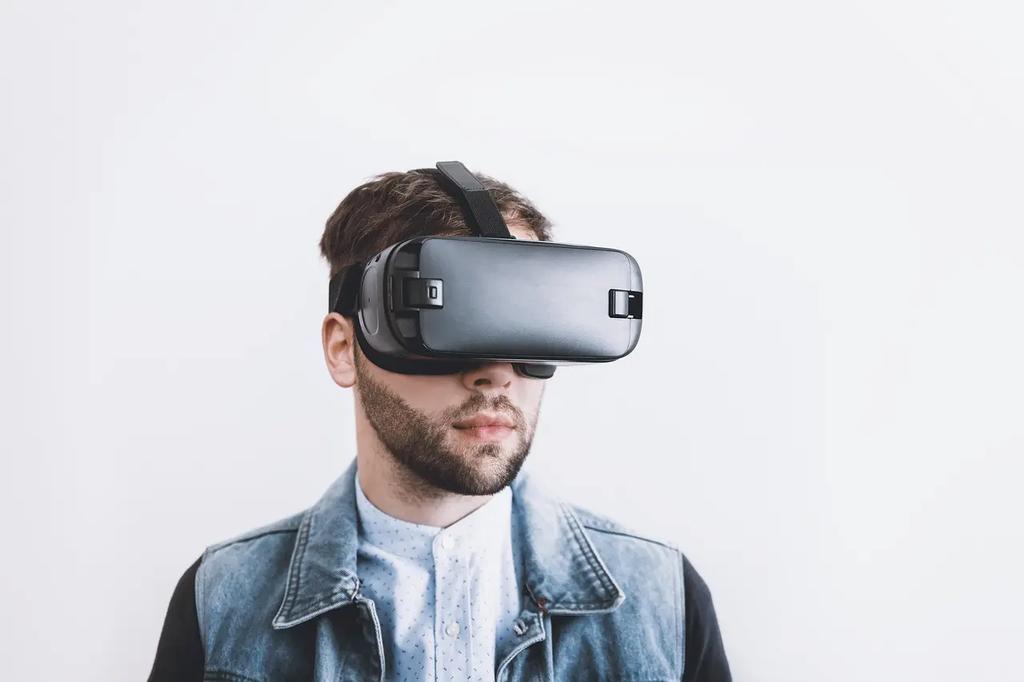
Full-Dive Virtual Reality refers to an advanced form of virtual reality technology where users are completely immersed in a digital environment, experiencing sights, sounds, and sensations as if they were physically present. Unlike current VR systems that rely on headsets and controllers, full-dive VR interfaces directly with the user’s brain or nervous system, allowing for total sensory integration and interaction. This creates a seamless, lifelike experience indistinguishable from reality.
Full-Dive Virtual Reality
Full-Dive Virtual Reality refers to an advanced form of virtual reality technology where users are completely immersed in a digital environment, experiencing sights, sounds, and sensations as if they were physically present. Unlike current VR systems that rely on headsets and controllers, full-dive VR interfaces directly with the user’s brain or nervous system, allowing for total sensory integration and interaction. This creates a seamless, lifelike experience indistinguishable from reality.
💡 Key Takeaways
- Understand how full-dive VR differs from today’s headset-based VR and what true immersion entails
- Learn the key technologies that could enable full-dive experiences (neural interfaces, haptics, sensory feedback) and their current limits
- Explore space-focused applications of full-dive VR, like astronaut training and mission simulations
- Consider safety, privacy, and ethical challenges associated with full-dive VR
❓ Frequently Asked Questions
What is full-dive virtual reality?
A theoretical, highly immersive VR where a neural interface directly stimulates the brain to create realistic sights, sounds, and sensations, making you feel present in a digital world.
How does full-dive VR differ from current VR systems?
Instead of external headsets and controllers, it would use brain-computer or neural interfaces to bypass devices, enabling deeper immersion and direct sensory feedback.
What are some potential uses in space and future tech?
Space mission training, hazardous-environment simulations, remote operation of equipment, advanced education and medical therapies, and immersive entertainment.
What are the main challenges and risks?
Technical safety of neural interfaces, long-term health effects, privacy and security of neural data, ethical and accessibility concerns, and potential for cyber-sickness or dependence.
When could full-dive VR become available?
Its development is speculative; it requires significant breakthroughs in neuroscience and safety, so timelines are uncertain and likely many years away.