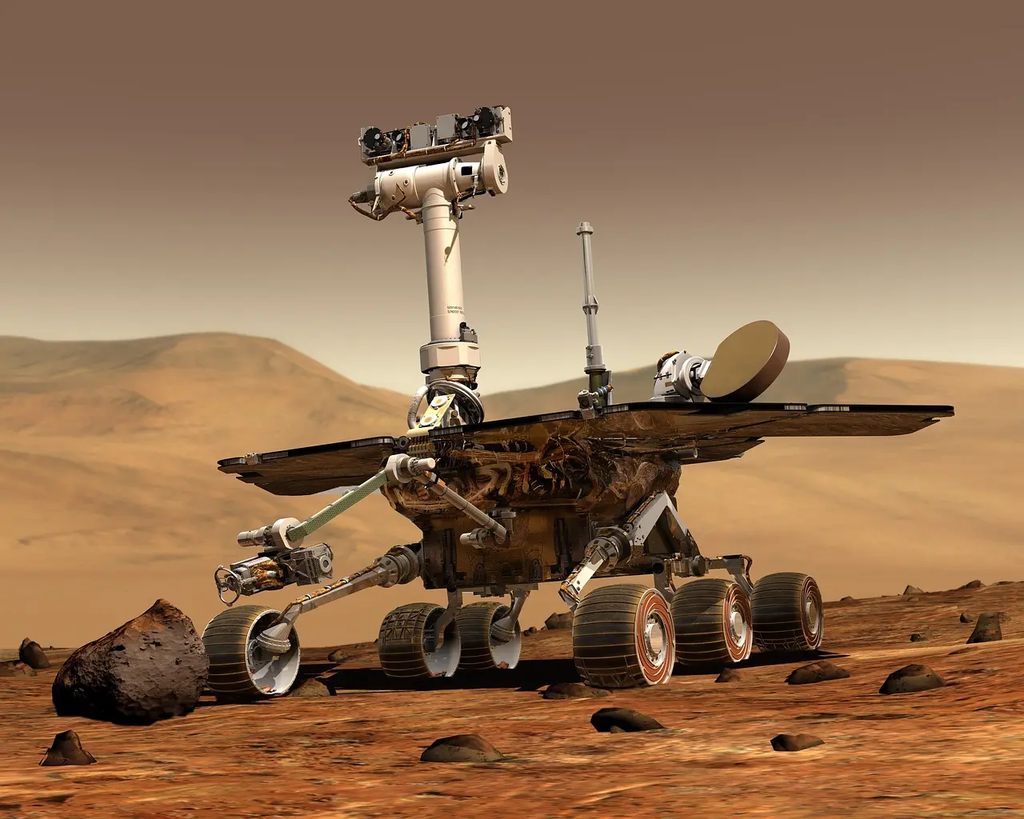
Fully autonomous robotic swarms are groups of robots that operate collectively without human intervention. Each robot in the swarm communicates and coordinates with others, allowing the group to perform complex tasks efficiently. These swarms use advanced algorithms and sensors to adapt to changing environments, distribute workloads, and solve problems collaboratively. Applications include search and rescue, environmental monitoring, agriculture, and industrial automation, where scalability, flexibility, and resilience are crucial advantages.
Fully Autonomous Robotic Swarms
Fully autonomous robotic swarms are groups of robots that operate collectively without human intervention. Each robot in the swarm communicates and coordinates with others, allowing the group to perform complex tasks efficiently. These swarms use advanced algorithms and sensors to adapt to changing environments, distribute workloads, and solve problems collaboratively. Applications include search and rescue, environmental monitoring, agriculture, and industrial automation, where scalability, flexibility, and resilience are crucial advantages.
💡 Key Takeaways
- Understand how fully autonomous robotic swarms operate without human intervention.
- Learn how individual robots communicate and coordinate to achieve collective goals.
- Explore how swarm intelligence algorithms and onboard sensors enable adaptability and efficiency.
- Examine space and future-tech applications, and the challenges of reliability, fault tolerance, and dynamic task allocation.
❓ Frequently Asked Questions
What is a fully autonomous robotic swarm?
A group of robots that operate collectively without human intervention, coordinating to complete tasks using shared goals and local interactions.
How do robots in a swarm coordinate without a central commander?
They use local communication and simple rules, guided by distributed algorithms, so the group behaves cohesively without a central controller.
What roles do sensors and algorithms play in swarms?
Sensors gather environmental data and robot states; algorithms enable decision making, task allocation, and adaptation to changing conditions.
What are common space and future-tech applications of autonomous swarms?
Applications include satellite servicing, debris removal, cooperative planetary or asteroid exploration, and in-space construction or habitat maintenance.
What makes autonomous robotic swarms robust and scalable?
Decentralized decision-making, redundancy, and local communication allow the swarm to tolerate failures and scale as more units join or leave.