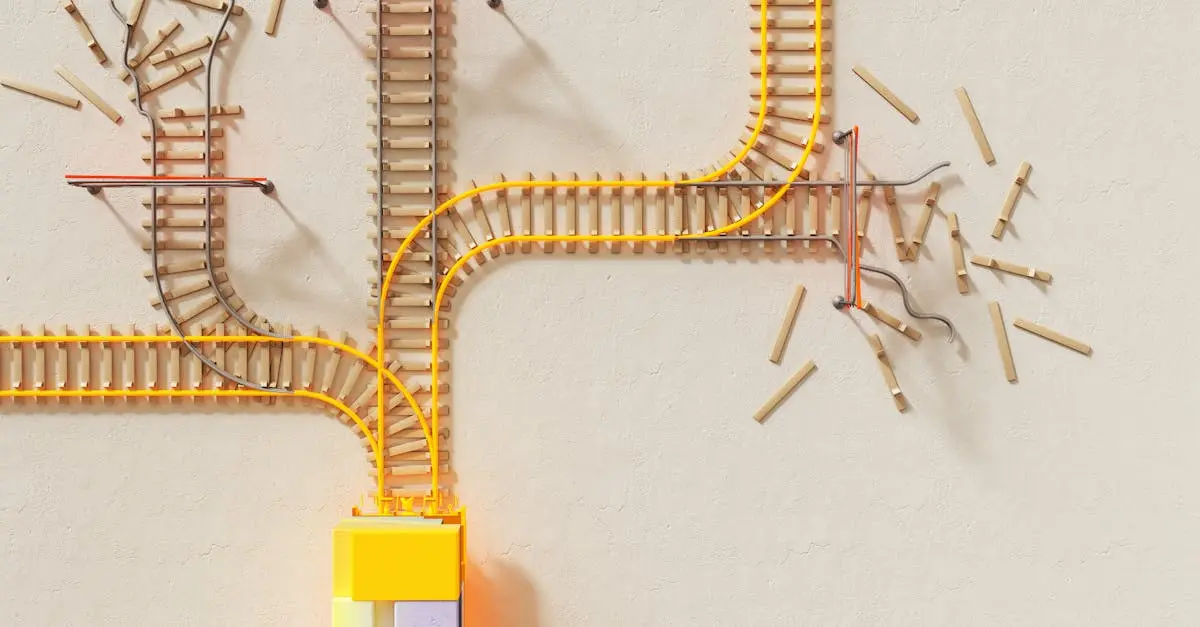
Functions and procedures are fundamental building blocks in programming used to organize and reuse code. A function performs a specific task, often returning a value, while a procedure executes a series of actions without necessarily returning a result. Both help in breaking down complex problems into manageable sections, improving code readability and maintenance. Functions and procedures promote modular design, allowing programmers to call reusable code blocks from different parts of a program efficiently.
Functions and Procedures+50
Functions and procedures are fundamental building blocks in programming used to organize and reuse code. A function performs a specific task, often returning a value, while a procedure executes a series of actions without necessarily returning a result. Both help in breaking down complex problems into manageable sections, improving code readability and maintenance. Functions and procedures promote modular design, allowing programmers to call reusable code blocks from different parts of a program efficiently.
💡 Key Takeaways
- Understand what functions are and how they can return values
- Learn how procedures work and why they may not return a result
- Know when to use a function versus a procedure while organizing code
- Explore how functions and procedures help break down complex problems into smaller tasks
- Practice reusing code to improve readability, maintainability, and efficiency
❓ Frequently Asked Questions
What is the difference between a function and a procedure in programming?
A function performs a task and typically returns a value, while a procedure performs actions without necessarily returning a result.
Why are functions and procedures important in software development?
They help organize code, improve readability, and enable code reuse, making complex problems easier to manage.
When should I use a function instead of a procedure?
Use a function when you need a computed result (a return value) that other parts of your program can use.
Can procedures and functions both take inputs?
Yes. Both can accept parameters (inputs) to perform their tasks based on the data provided.
How do functions and procedures support problem-solving in code?
By breaking a large task into smaller, focused units, they make it easier to test, debug, and maintain the program.