The phrase refers to five essential movement patterns foundational to human strength and fitness. "Push" involves moving weight away from the body, like push-ups. "Pull" is drawing weight toward the body, as in rows. "Hinge" emphasizes bending at the hips, exemplified by deadlifts. "Squat" means lowering and raising the body by bending the knees and hips. "Carry" involves transporting weight over a distance, promoting stability and functional strength.
Fundamental Patterns: Push, Pull, Hinge, Squat, Carry
The phrase refers to five essential movement patterns foundational to human strength and fitness. "Push" involves moving weight away from the body, like push-ups. "Pull" is drawing weight toward the body, as in rows. "Hinge" emphasizes bending at the hips, exemplified by deadlifts. "Squat" means lowering and raising the body by bending the knees and hips. "Carry" involves transporting weight over a distance, promoting stability and functional strength.
💡 Key Takeaways
- Identify the five fundamental movement patterns—Push, Pull, Hinge, Squat, and Carry—and understand their role in overall strength and functional fitness.
- Link common exercises to each pattern (e.g., push-ups for Push, rows for Pull, deadlifts for Hinge, squats for Squat, carries for Carry) and learn proper form basics.
- Recognize how mastering these patterns improves everyday movements and athletic performance.
- Learn safe progression and scaling tips for beginners through to advanced practitioners for each pattern.
- Understand how to structure a balanced routine that trains all five patterns to support joint health and overall conditioning.
❓ Frequently Asked Questions
What are the five fundamental movement patterns covered?
Push, Pull, Hinge, Squat, and Carry are the core patterns that train essential strength and movement for functional fitness.
How is a push pattern performed and what does it target?
A push pattern moves weight away from the body (e.g., push-ups, bench press). It targets the chest, shoulders, and triceps with a braced core and stable spine.
What distinguishes a hinge movement from a squat?
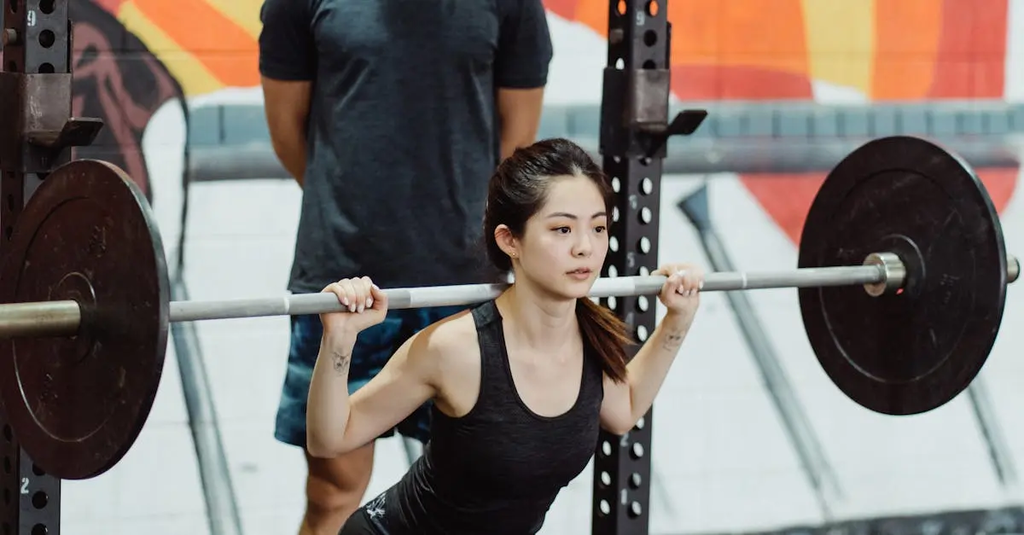
A hinge is hip-dominant with a neutral spine (like a deadlift or kettlebell swing), while a squat is knee- and hip-dominant with deeper knee flexion and a lower body descent.
What is a carry movement, and what does it train?
A carry involves transporting a load for distance or time (e.g., farmer's carry). It trains grip, core stability, shoulder endurance, and overall work capacity.
Why should you train all five patterns for balanced fitness?
Training all patterns ensures balanced strength across major movement planes, improves functional ability, reduces injury risk, and enhances performance in daily tasks and sports.