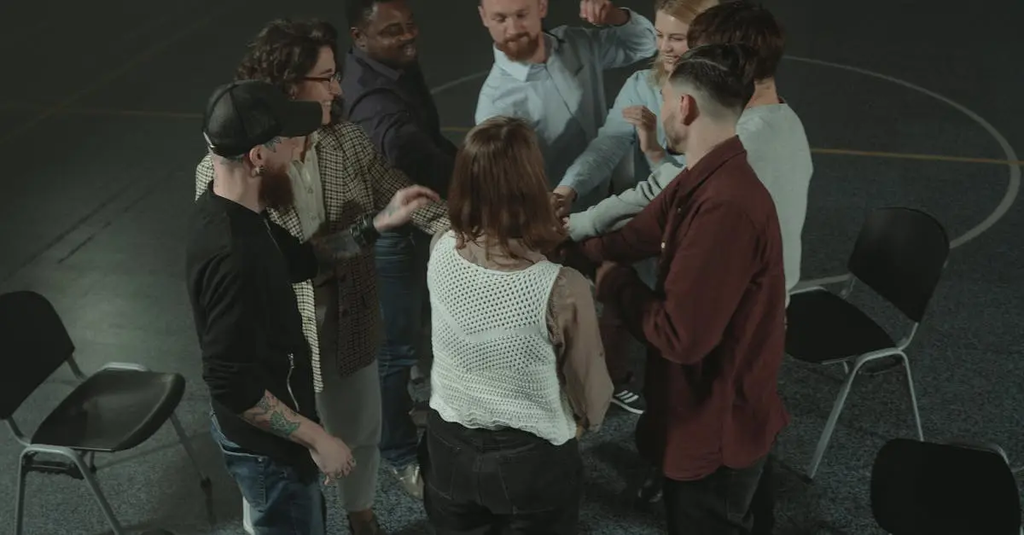
Future-Back Reflection Prompts are thought-provoking questions or exercises designed to help individuals envision their desired future and then reflect backward to identify steps, changes, or strategies needed to achieve that vision. By starting with a clear picture of future goals, these prompts encourage proactive planning, highlight potential obstacles, and foster innovative thinking. They are commonly used in personal development, strategic planning, and leadership coaching to inspire forward-looking action and intentional growth.
Future-Back Reflection Prompts
Future-Back Reflection Prompts are thought-provoking questions or exercises designed to help individuals envision their desired future and then reflect backward to identify steps, changes, or strategies needed to achieve that vision. By starting with a clear picture of future goals, these prompts encourage proactive planning, highlight potential obstacles, and foster innovative thinking. They are commonly used in personal development, strategic planning, and leadership coaching to inspire forward-looking action and intentional growth.

💡 Key Takeaways
- Articulate a clear, inspiring future vision aligned with your values.
- Back-map from that vision to concrete steps, milestones, and changes needed now.
- Identify potential obstacles and strategies to overcome them along the way.
- Use future-back prompts as engaging icebreakers to learn others’ goals, strengths, and collaboration styles.
❓ Frequently Asked Questions
What is a Future-Back Reflection Prompt?
A prompt that starts with a clear future goal and guides you to reflect backward to identify the steps, changes, or strategies needed to reach that goal.
How can these prompts work as an icebreaker or Get-To-Know-You activity?
They invite people to share personal visions and priorities, spark meaningful conversations, and help teammates learn about each other’s aspirations, strengths, and values.
How should I answer a future-back prompt in the quiz?
Describe a concrete future outcome you envision, then list backward steps, habits, skills, or resources you’d need to reach it, including any near-term milestones.
Can you provide a quick example of a future-back prompt and a good answer?
Prompt: 'Imagine you’ve achieved your ideal professional role in 3 years. What steps did you take in the last year to move toward it?' Answer: 'I clarified goals, started a relevant course, joined a project team, sought feedback monthly, and built a mentor relationship.'