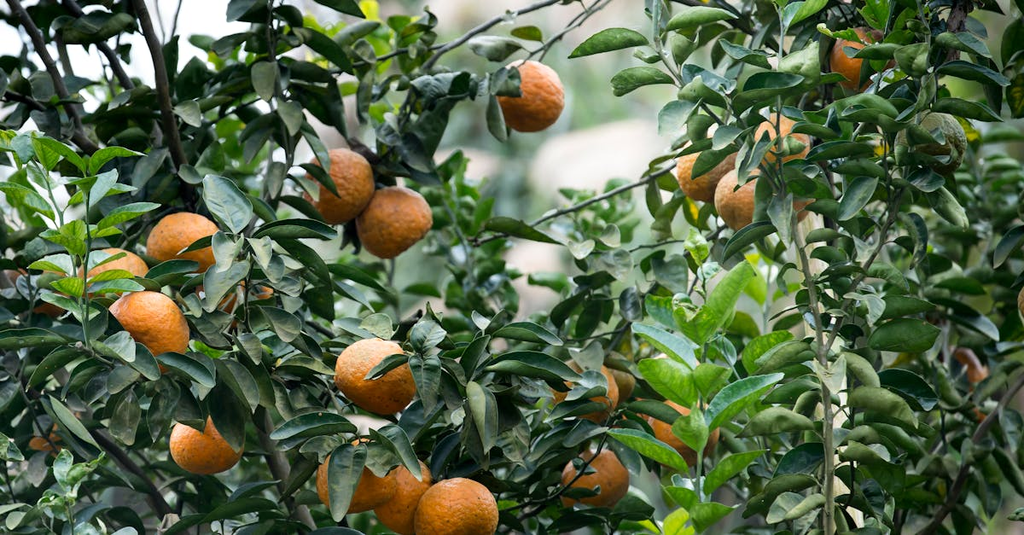
The future prospects of orange biotechnology, especially concerning fresh fruits like oranges and cherries, are promising. Advances in genetic engineering and molecular breeding can enhance disease resistance, improve fruit quality, and extend shelf life. These innovations support sustainable agriculture, reduce post-harvest losses, and meet consumer demands for healthier, tastier produce. Additionally, biotechnology may enable the development of climate-resilient varieties, ensuring stable production and supply in the face of environmental challenges.
Future Prospects of Orange Biotechnology
The future prospects of orange biotechnology, especially concerning fresh fruits like oranges and cherries, are promising. Advances in genetic engineering and molecular breeding can enhance disease resistance, improve fruit quality, and extend shelf life. These innovations support sustainable agriculture, reduce post-harvest losses, and meet consumer demands for healthier, tastier produce. Additionally, biotechnology may enable the development of climate-resilient varieties, ensuring stable production and supply in the face of environmental challenges.
💡 Key Takeaways
- How gene editing and biotechnology could boost disease resistance and yield in citrus crops.
- Biotech-based postharvest solutions to extend shelf life and reduce orange losses.
- Biotechnological production of orange-derived flavors, aromas, and nutraceutical compounds.
- Regulatory, ethical, and market factors shaping the future of orange biotechnology.
❓ Frequently Asked Questions
What is orange biotechnology?
The application of biotech tools to citrus crops (oranges) to improve traits such as disease resistance, yield, fruit quality, and postharvest life, using methods like genomics, gene editing, and tissue culture.
What diseases threaten oranges and how can biotech help?
Major threats include Huanglongbing (citrus greening) and citrus canker. Biotechnology can help by developing resistant varieties, enabling precise gene edits, improving diagnostics, and providing clean planting material.
How can genome editing be used in oranges?
Gene editing tools (e.g., CRISPR/Cas) can modify specific citrus genes to enhance resistance or quality, accelerating trait development compared to traditional breeding.
What are the main challenges facing the future of orange biotechnology?
Regulatory and public acceptance hurdles, ensuring safety and minimizing off-target effects, cost considerations, and the long juvenile phase of citrus trees that delays deployment.