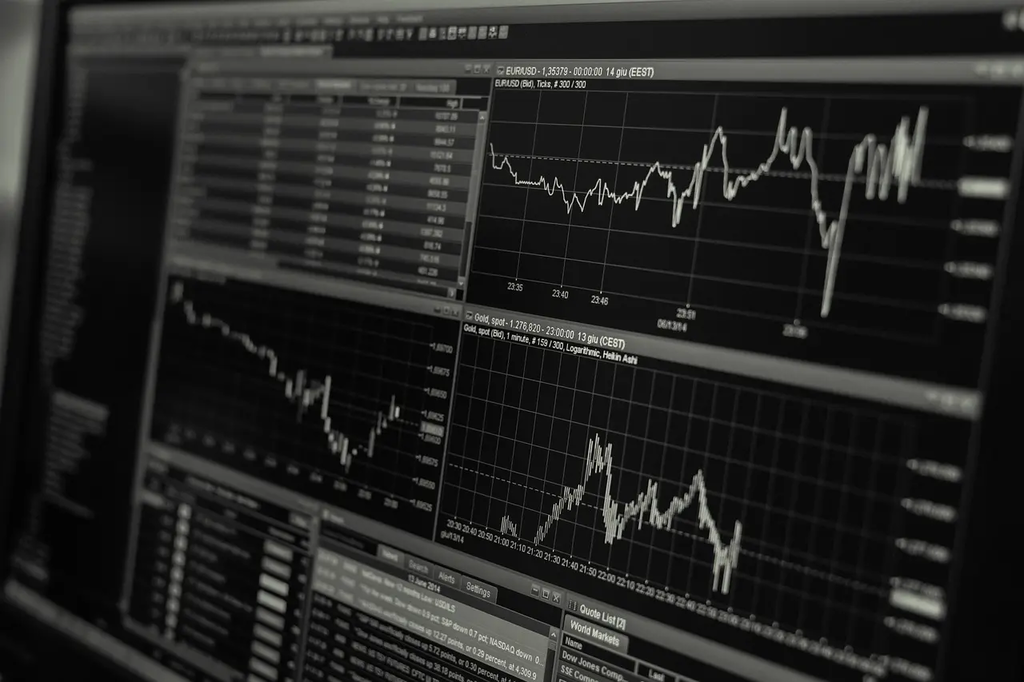
Future trends in US stock markets point toward increased integration of technology, such as artificial intelligence and algorithmic trading, influencing investment strategies. Sustainable and ESG-focused companies are expected to attract more investor attention. Market volatility may persist due to global economic shifts, interest rate changes, and geopolitical events. Additionally, the rise of retail investors and digital trading platforms is likely to shape market dynamics, fostering greater market participation and innovation.
Future Trends in US Stock Markets
Future trends in US stock markets point toward increased integration of technology, such as artificial intelligence and algorithmic trading, influencing investment strategies. Sustainable and ESG-focused companies are expected to attract more investor attention. Market volatility may persist due to global economic shifts, interest rate changes, and geopolitical events. Additionally, the rise of retail investors and digital trading platforms is likely to shape market dynamics, fostering greater market participation and innovation.

💡 Key Takeaways
- Major drivers of US stock trends: inflation, interest rates, and policy.
- How tech, AI, and productivity trends could shift market leadership.
- Sector rotation patterns and indicators to watch.
- Key risks and uncertainties: geopolitics, regulation, and volatility.
- How to read market signals: yield curve, valuations, and earnings growth.
❓ Frequently Asked Questions
What factors are likely to drive future trends in the US stock markets?
Key influences include interest rates and inflation, economic growth, corporate earnings, monetary and fiscal policy, valuations, and global events.
How do rising or falling interest rates typically affect stock prices?
Higher rates can lower stock prices by increasing borrowing costs and compressing valuations; lower rates tend to support risk-taking and higher valuations.
What is the role of earnings growth and market expectations in predicting trends?
Prices reflect expected future earnings; stronger-than-expected earnings or optimistic guidance can lift prices, while disappointing results can drag them down.
What is sector rotation and why does it matter for future trends?
As the economy shifts, different sectors (e.g., tech, cyclicals, defensive) tend to outperform at different times; recognizing rotation helps anticipate leadership changes.
How can diversification help investors navigate uncertain market trends?
Diversification across sectors and factors reduces risk from a single trend and can provide more stable performance when leadership shifts.