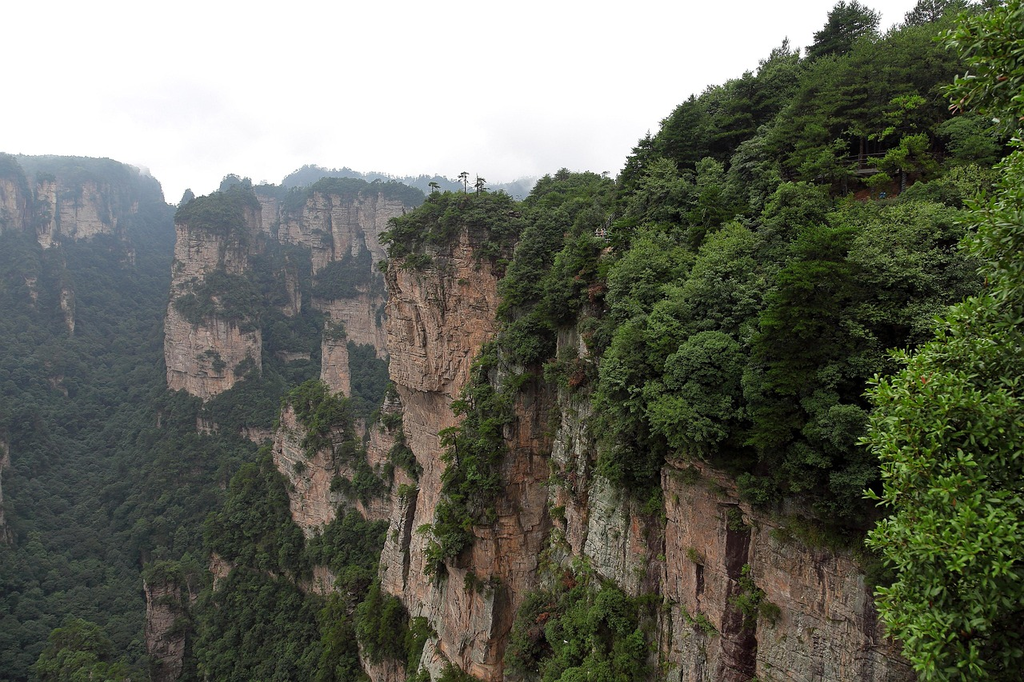
The Galapagos Islands are a volcanic archipelago located in the Pacific Ocean, about 1,000 kilometers off the coast of Ecuador. Renowned for their unique biodiversity and striking landscapes, they inspired Charles Darwin’s theory of evolution. The islands are home to many endemic species, such as the giant tortoise and marine iguana. As a UNESCO World Heritage Site, the Galapagos are considered one of the world’s most important natural wonders and ecological landmarks.
Galapagos Islands
The Galapagos Islands are a volcanic archipelago located in the Pacific Ocean, about 1,000 kilometers off the coast of Ecuador. Renowned for their unique biodiversity and striking landscapes, they inspired Charles Darwin’s theory of evolution. The islands are home to many endemic species, such as the giant tortoise and marine iguana. As a UNESCO World Heritage Site, the Galapagos are considered one of the world’s most important natural wonders and ecological landmarks.
💡 Key Takeaways
- Understand how the Galápagos Islands influenced Darwin's theory of evolution.
- Identify examples of endemic species such as giant tortoises, marine iguanas, and Darwin's finches.
- Explain how volcanic activity and geographic isolation created unique biodiversity in the archipelago.
- Recognize conservation efforts and why the Galápagos are a protected UNESCO World Heritage site.
❓ Frequently Asked Questions
Where are the Galapagos Islands located and what makes them famous?
The Galapagos are a volcanic archipelago in the Pacific Ocean about 1,000 km west of Ecuador. They’re famous for unique wildlife and high levels of endemism that helped inspire Darwin’s theory of evolution.
What protections govern the Galapagos Islands?
The area is protected as the Galapagos National Park and a UNESCO World Heritage Site. Access is tightly regulated—tourists must use licensed naturalist guides and stay on designated paths to protect wildlife and habitats.
Which wildlife is unique to the Galapagos?
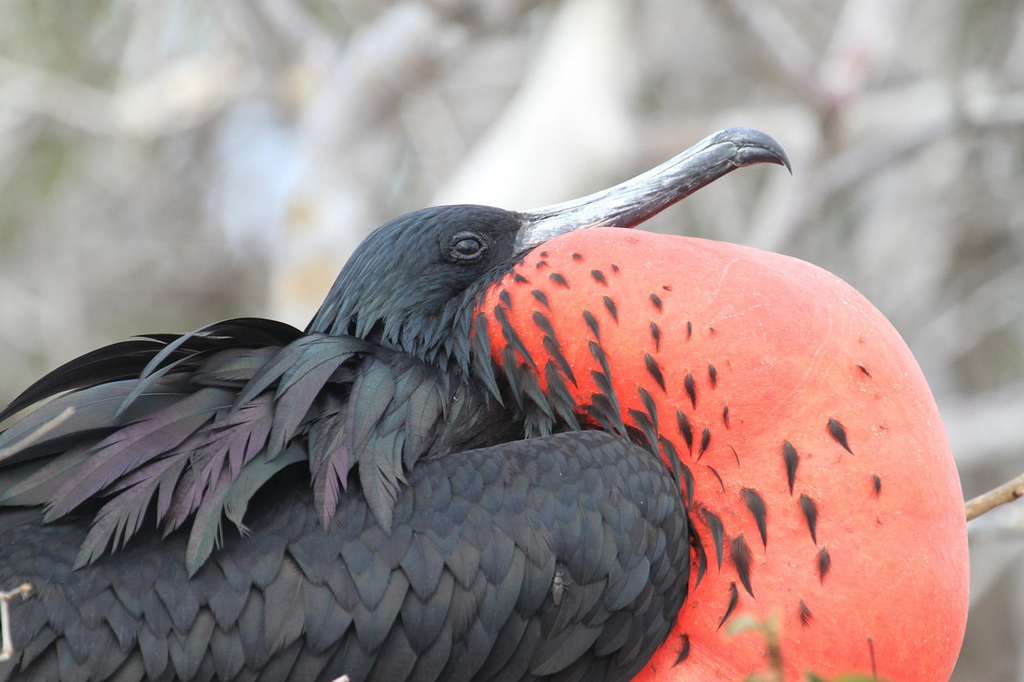
Endemic species include the Galapagos finches, giant tortoises, marine iguanas, flightless cormorants, and Galapagos penguins—many species found nowhere else.
When is the best time to visit and what’s the climate like?
There are two seasons: warm, wet (Dec–May) with occasional rain and calmer seas; cool, dry (Jun–Nov) with currents and cooler water. Wildlife is abundant year-round, but conditions vary.