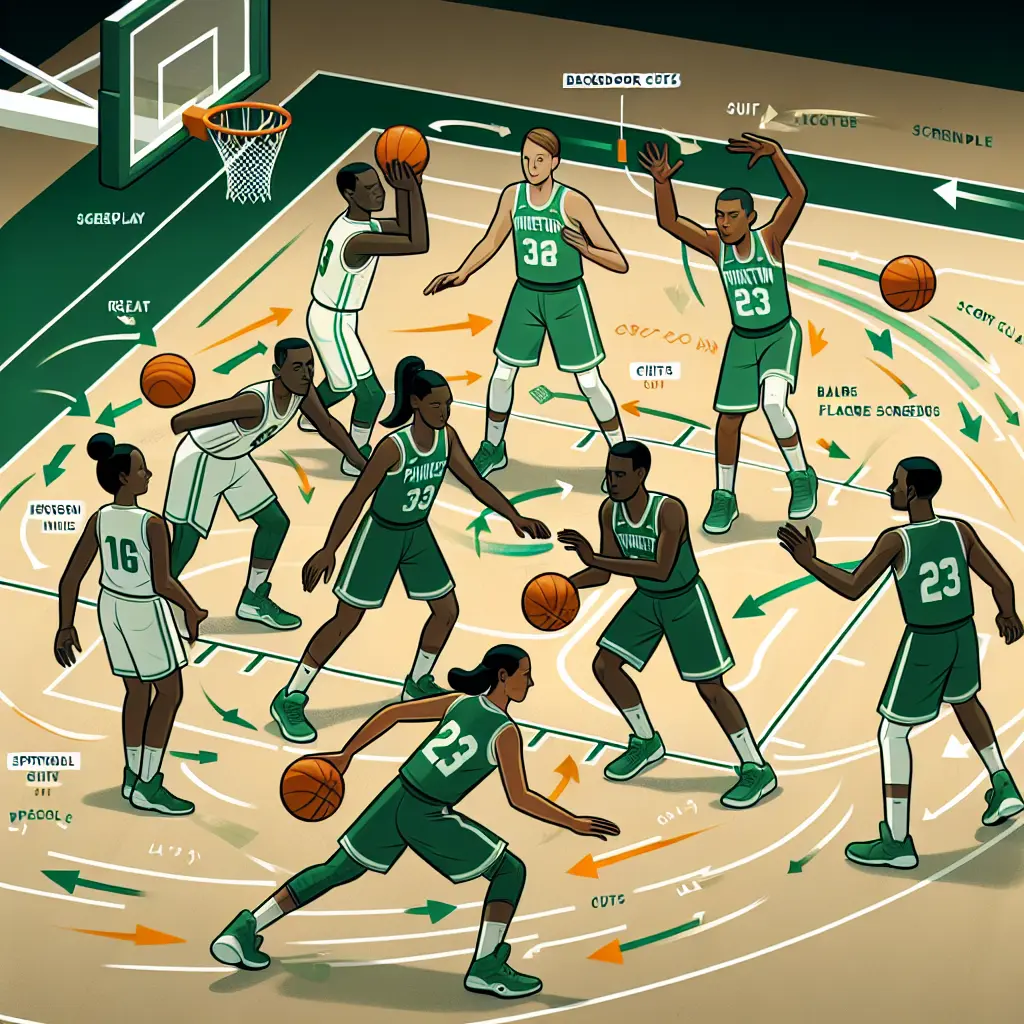
Game theory in shot selection refers to the strategic decision-making process basketball players use when choosing which shots to take during a game. It involves anticipating opponents’ defensive moves and adjusting shot choices accordingly to maximize scoring opportunities. By analyzing probabilities, players can select shots that offer the best balance between risk and reward, making their offensive play less predictable and more effective against varying defensive strategies.
Game Theory in Shot Selection
Game theory in shot selection refers to the strategic decision-making process basketball players use when choosing which shots to take during a game. It involves anticipating opponents’ defensive moves and adjusting shot choices accordingly to maximize scoring opportunities. By analyzing probabilities, players can select shots that offer the best balance between risk and reward, making their offensive play less predictable and more effective against varying defensive strategies.

💡 Key Takeaways
- Understand how shot choice uses game-theory ideas by predicting defenders’ reactions.
- Learn to estimate a shot’s expected value by weighing scoring probability, defense pressure, and rebound/transition risk.
- Explore how players adjust strategies and timing (including varying shot options) to counter defenses and shot clock pressure.
- Recognize how teammates, spacing, and defensive tendencies influence shot selection and decision-making.
❓ Frequently Asked Questions
What is game theory in shot selection?
It's applying game theory to basketball: players weigh how defenders will react and choose shots that maximize expected points given those defenses.
How does anticipating defenders influence the shot choice?
Players estimate the success probability of different shots against the current defense and pick the option with the highest expected value.
What does 'expected value' mean in this context?
Expected value is the shot's probability of scoring multiplied by its point value (2 or 3); players seek the highest EV rather than just the hardest shot.
Why is strategy important in shot selection?
Teams mix shot types and adapt to defenses to avoid being too predictable, aiming for an equilibrium where opponents can't gain by changing tactics.
How can data help improve shot selection?
Analyzing defender tendencies, shot success rates, and spacing helps model shot probabilities and guide decisions in practice and games.