

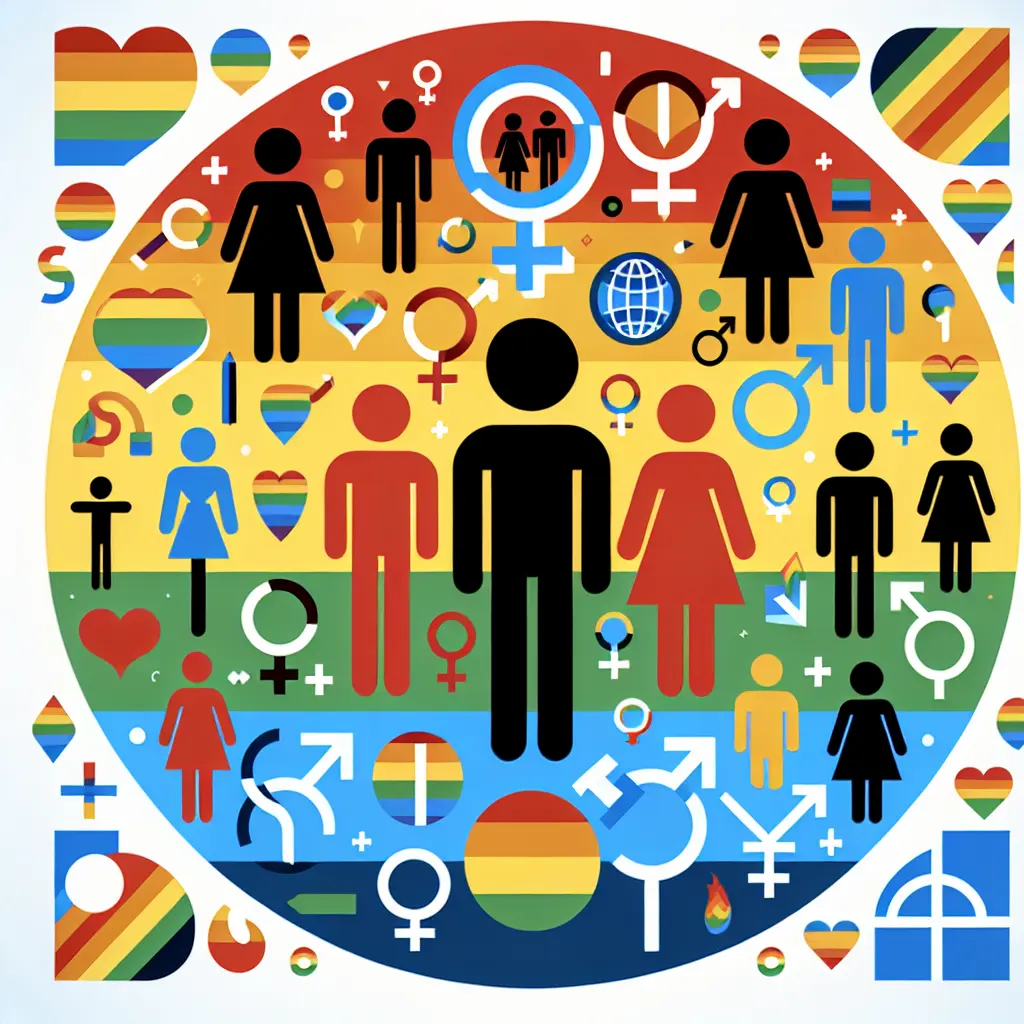
Gender identity refers to a person's deeply held sense of their own gender, which may or may not correspond with the sex they were assigned at birth. It is a personal and internal understanding of one's gender, which can be fluid and may not fit within traditional binary categories of male and female. Gender identity is an important aspect of a person's overall identity and can influence how they express themselves and interact with the world.
Gender identity+35
Gender identity refers to a person's deeply held sense of their own gender, which may or may not correspond with the sex they were assigned at birth. It is a personal and internal understanding of one's gender, which can be fluid and may not fit within traditional binary categories of male and female. Gender identity is an important aspect of a person's overall identity and can influence how they express themselves and interact with the world.
💡 Key Takeaways
- Understand what gender identity means and how it can differ from the sex assigned at birth.
- Recognize that gender identity can be fluid, non-binary, or align with traditional male/female categories.
- Learn how pronouns and respectful language support people in expressing their gender identity.
- Appreciate the importance of self-identification and avoiding assumptions about another person's gender.
❓ Frequently Asked Questions
What is gender identity?
Gender identity is a person’s deeply felt sense of being male, female, something else, or none of these. It may align with or differ from the sex they were assigned at birth.
How is gender identity different from sex assigned at birth and sexual orientation?
Sex assigned at birth is biological classification at birth. Gender identity is an internal sense of who you are, and sexual orientation is about who you’re attracted to.
What does it mean that gender identity can be fluid?
For some people, their sense of gender may change over time or in different situations. Others have a stable gender identity. Both experiences are valid.
What do terms like cisgender, transgender, and non-binary mean?
Cisgender: gender identity matches birth sex. Transgender: gender identity differs from birth sex. Non-binary: not exclusively male or female; some people identify outside the binary.