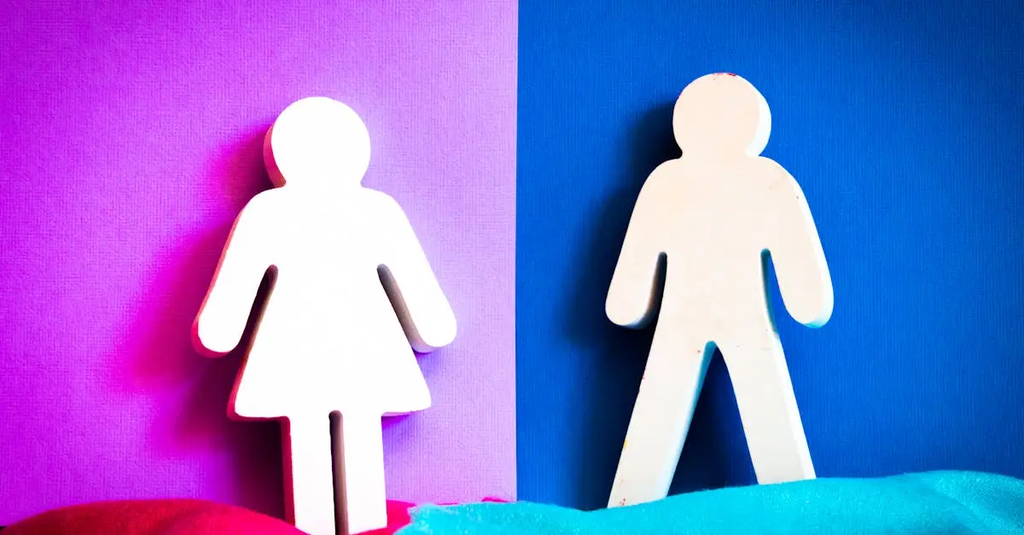
Gender roles and representation refer to the expectations, behaviors, and norms society assigns to individuals based on their perceived gender. These roles shape how people are expected to act, dress, and interact, often reinforcing stereotypes. Representation examines how genders are portrayed in media, literature, and other cultural outlets, influencing public perception and individual identity. Challenging traditional gender roles and seeking diverse representation promotes equality and a more inclusive society.
Gender Roles and Representation
Gender roles and representation refer to the expectations, behaviors, and norms society assigns to individuals based on their perceived gender. These roles shape how people are expected to act, dress, and interact, often reinforcing stereotypes. Representation examines how genders are portrayed in media, literature, and other cultural outlets, influencing public perception and individual identity. Challenging traditional gender roles and seeking diverse representation promotes equality and a more inclusive society.
💡 Key Takeaways
- Understand how traditional gender roles shape expectations in society and media.
- Identify common stereotypes in media representations and their effects on people.
- Explore how gender identity and expression are portrayed, including nonbinary and transgender perspectives.
- Recognize the value of diverse and accurate representation across cultures and contexts.
❓ Frequently Asked Questions
What are gender roles?
Social expectations about how people should behave, work, and relate to others based on gender. They vary across cultures and change over time.
How have gender roles evolved over time?
They shift with changes in law, education, economy, and social movements. Examples include more women in the workforce and greater acceptance of diverse gender identities.
What is gender representation and why does it matter?
How people of different genders are shown in media, leadership, and public life. Representation shapes stereotypes, opportunities, and people�s aspirations.
What is the difference between gender equality and gender equity?
Equality means treating everyone the same, while equity means providing additional support to groups facing disadvantages to achieve similar outcomes.