Gender roles in festival participation refer to the traditional expectations and responsibilities assigned to men and women during cultural or religious celebrations. These roles often dictate who organizes, leads, or performs specific rituals, dances, or tasks. While men may be given public or leadership roles, women might handle preparation, decoration, or nurturing activities. However, these roles can vary widely across cultures and are increasingly being challenged and redefined in contemporary society.
Gender Roles in Festival Participation
Gender roles in festival participation refer to the traditional expectations and responsibilities assigned to men and women during cultural or religious celebrations. These roles often dictate who organizes, leads, or performs specific rituals, dances, or tasks. While men may be given public or leadership roles, women might handle preparation, decoration, or nurturing activities. However, these roles can vary widely across cultures and are increasingly being challenged and redefined in contemporary society.
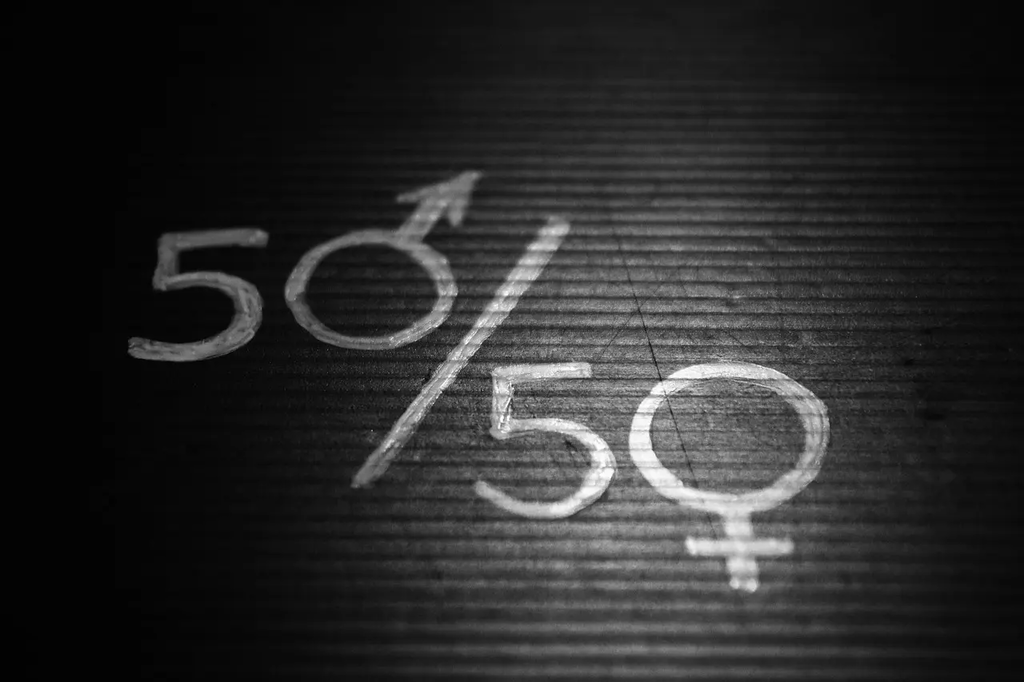
💡 Key Takeaways
- Understand how traditional gender expectations shape participation in festivals across cultures.
- Identify common roles assigned to different genders in rituals, performances, and festival logistics.
- Analyze how gender roles in celebrations have evolved with social change and movements toward inclusivity.
- Evaluate the impact of gender norms on participation, leadership opportunities, and access to cultural knowledge within festival communities.
❓ Frequently Asked Questions
What are gender roles in festival participation?
They are the traditional expectations about what tasks or roles men and women typically perform during cultural or religious celebrations, such as who organizes, leads, or performs rituals.
Do gender roles mean only certain genders can perform certain tasks in festivals?
Not always. While some cultures assign specific tasks by gender, many communities welcome women, men, and nonbinary participants in leadership, ritual, and performance roles.
How do gender roles vary across cultures and religions?
Roles differ widely and are shaped by tradition, belief systems, and social norms. Some festivals emphasize male leadership, others female or mixed participation, and practices can evolve over time.
Are gender roles in festivals changing over time?
Yes. Modern shifts toward gender equality and inclusive practices are expanding who can organize, lead, or participate in various festival activities.
How can you approach quiz questions about gender roles?
Consider cultural context, note that roles are not universal, and look for clues about who organizes, leads, or performs tasks. Remember that changes over time can affect roles.