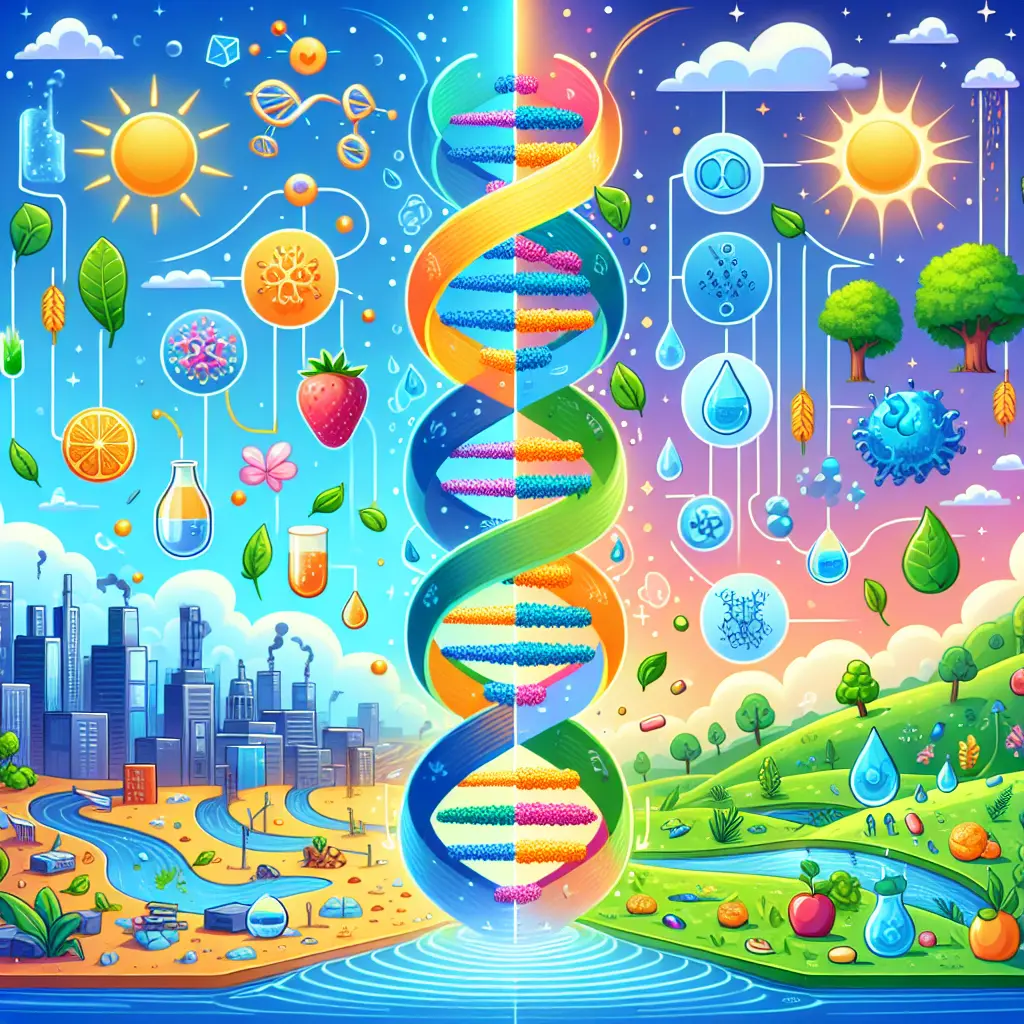
Gene–environment interaction refers to how genetic predispositions and environmental factors combine to influence traits, behaviors, or disease risk. Epigenetics involves changes in gene expression that do not alter the DNA sequence but can be triggered by environmental influences, such as diet, stress, or exposure to toxins. Together, these concepts explain how our genes and environment dynamically interact, shaping health outcomes and individual differences across the lifespan.
Gene–Environment Interaction and Epigenetics
Gene–environment interaction refers to how genetic predispositions and environmental factors combine to influence traits, behaviors, or disease risk. Epigenetics involves changes in gene expression that do not alter the DNA sequence but can be triggered by environmental influences, such as diet, stress, or exposure to toxins. Together, these concepts explain how our genes and environment dynamically interact, shaping health outcomes and individual differences across the lifespan.
💡 Key Takeaways
- Explain how genetic predispositions and environmental factors combine to influence traits, behaviors, or disease risk.
- Define epigenetics and describe how gene expression can change without altering the DNA sequence due to environmental influences such as diet and stress.
- Identify common epigenetic mechanisms (e.g., DNA methylation, histone modification) and how they respond to environmental cues.
- Provide psychology-relevant examples showing how environmental factors can lead to epigenetic changes that influence behavior and health outcomes.
- Discuss the implications for research and practice in psychology, including personalized interventions and prevention strategies that consider gene–environment and epigenetic factors.
❓ Frequently Asked Questions
What does gene–environment interaction mean?
Gene–environment interaction describes how genetic predispositions and environmental factors combine to influence traits or disease risk; the same genes can lead to different outcomes in different environments.
What is epigenetics?
Epigenetics studies how gene activity can be turned on or off without changing the DNA sequence, through chemical marks and proteins that respond to environmental cues.
What are the main epigenetic mechanisms?
Key mechanisms include DNA methylation, histone modifications, chromatin remodeling, and regulation by non-coding RNAs.
Can environment influence gene expression?
Yes. Environmental factors such as diet, stress, toxins, and social experiences can alter epigenetic marks and gene expression, sometimes in reversible ways.
Why is gene–environment interaction important in psychology?
It helps explain why individuals with similar genes can show different behaviors and mental health outcomes depending on their environments, guiding tailored prevention and intervention.