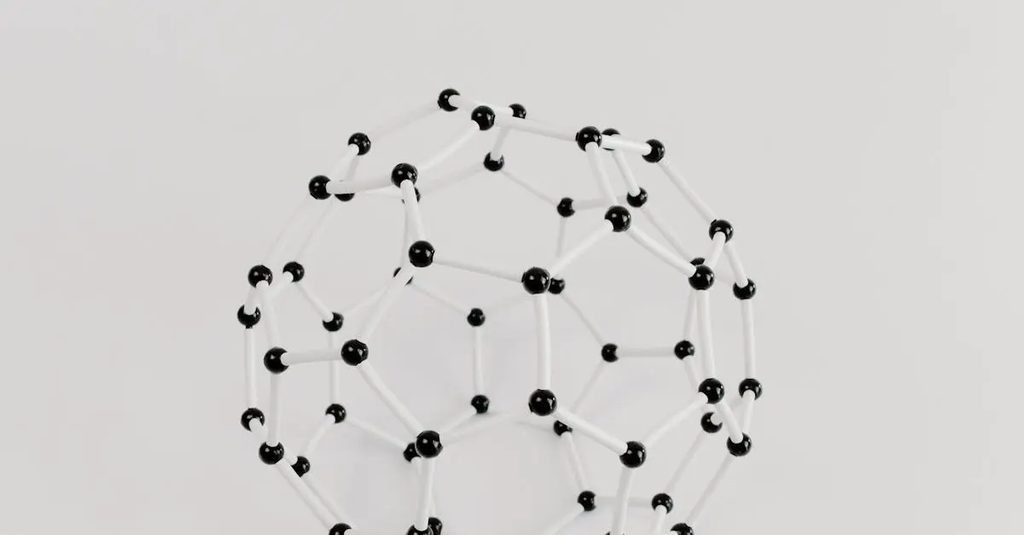
Genetics & Evolution refers to the interconnected scientific fields that study how traits are inherited through genes and how species change over generations. Genetics explores the structure, function, and transmission of DNA, while evolution examines the processes—such as natural selection and mutation—that drive changes in populations over time. Together, they explain the diversity of life, adaptation, and the relationships among organisms on Earth.
Genetics & Evolution+50
Genetics & Evolution refers to the interconnected scientific fields that study how traits are inherited through genes and how species change over generations. Genetics explores the structure, function, and transmission of DNA, while evolution examines the processes—such as natural selection and mutation—that drive changes in populations over time. Together, they explain the diversity of life, adaptation, and the relationships among organisms on Earth.
💡 Key Takeaways
- Explain how DNA encodes traits and how genes are inherited by offspring
- Understand how gene expression links genotype to phenotype
- Grasp natural selection as a driver of evolution across generations
- Recognize other evolutionary mechanisms—mutations, genetic drift, and gene flow—that shape variation
❓ Frequently Asked Questions
What is genetics?
Genetics is the study of how traits are inherited, focusing on DNA’s structure, function, and how genes pass from parents to offspring.
How are traits inherited?
Traits are transmitted via genes on chromosomes. Alleles determine variations, and inheritance patterns explain how traits appear in offspring.
What is evolution?
Evolution is the change in the frequencies of genetic traits within a population over generations, leading to changes in species over time.
What drives evolution?
Natural selection, genetic drift, mutation, and gene flow introduce and modify genetic variation, shifting trait frequencies.
What is a gene and what is a mutation?
A gene is a DNA segment that encodes a functional product. A mutation is a DNA change that creates new variation, contributing to evolution.