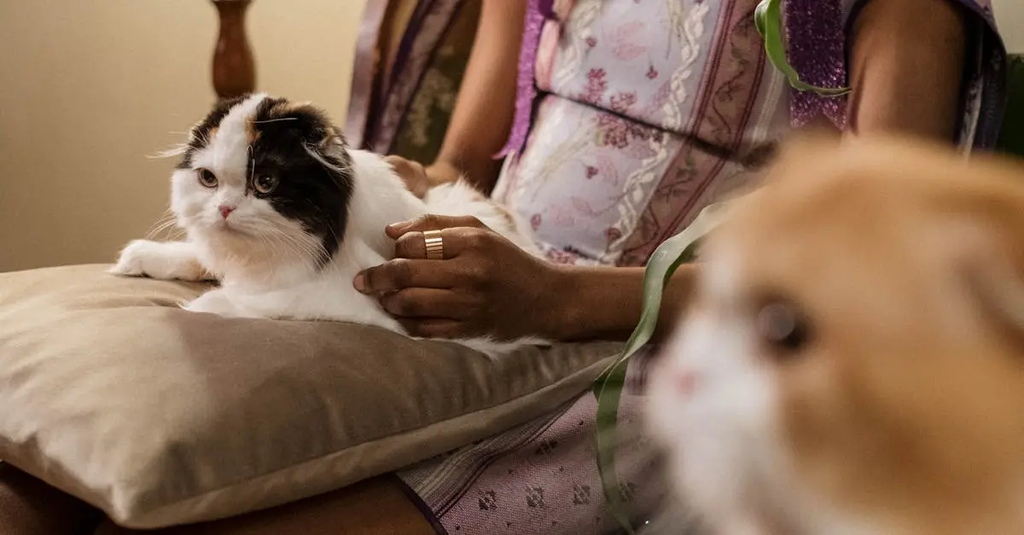
The genetics of coat color and inherited traits refers to how specific genes determine the coloration, patterns, and physical features in animals and humans. Variations in gene combinations, mutations, and inheritance patterns, such as dominance and recessiveness, influence these traits. Understanding these genetic mechanisms helps explain why offspring resemble their parents and how unique or rare coat colors and features appear within populations across generations.
Genetics of Coat Color and Inherited Traits
The genetics of coat color and inherited traits refers to how specific genes determine the coloration, patterns, and physical features in animals and humans. Variations in gene combinations, mutations, and inheritance patterns, such as dominance and recessiveness, influence these traits. Understanding these genetic mechanisms helps explain why offspring resemble their parents and how unique or rare coat colors and features appear within populations across generations.
💡 Key Takeaways
- Genes govern coat color, patterns, and several physical features in pets and humans, shaped by dominant and recessive inheritance.
- Mutations and gene interactions introduce new color variants and patterns across species.
- Learn about inheritance patterns such as dominant, recessive, codominance, and incomplete dominance and how they influence trait transmission.
- Use simple genetics to predict trait outcomes across generations and understand why appearances vary.
❓ Frequently Asked Questions
What is the genetics of coat color?
It studies how genes control pigment production and distribution, shaping color, patterns, and traits in animals and humans.
What is the difference between genotype and phenotype in coat color?
Genotype is the specific gene variants an individual carries for color, while phenotype is the visible color or pattern produced by those genes.
What do dominance and recessiveness mean for coat color?
A dominant allele appears in the phenotype with at least one copy; a recessive allele appears only when two copies are present.
Why are coat colors and patterns often influenced by many genes?
Coat color is usually polygenic: many genes contribute small effects to color, shade, and pattern. Gene interactions and modifiers can create variations like stripes, spots, dilution, or temperature-sensitive coloring.