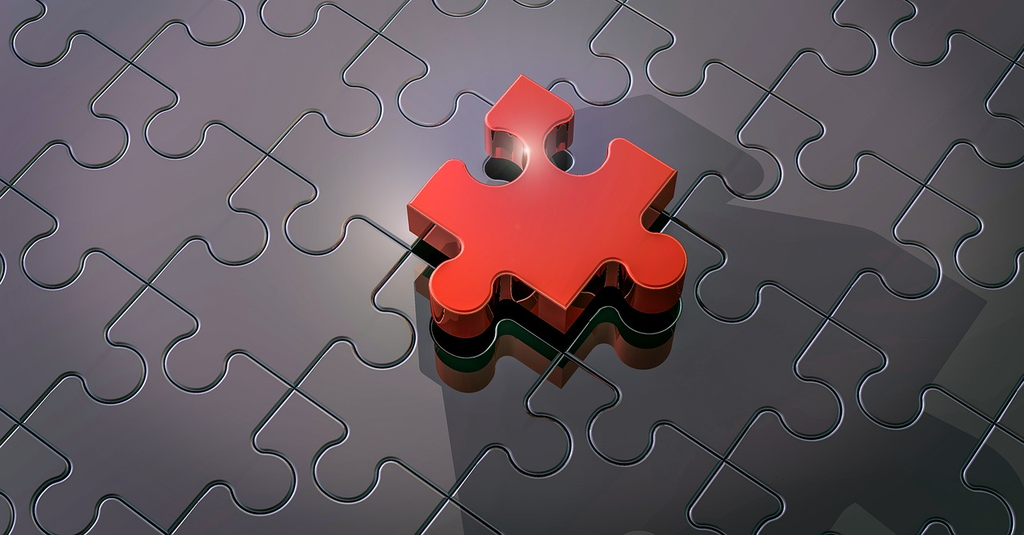
"Genius Spatial Reasoning (Silly But Tricky Questions)" refers to brain-teasing puzzles or problems that test a person's ability to visualize and manipulate objects or spaces in their mind. Despite appearing playful or humorous on the surface, these questions challenge logical thinking, creativity, and mental flexibility. They often require unconventional approaches, making them both entertaining and intellectually stimulating, suitable for those who enjoy solving quirky yet demanding spatial challenges.
Genius Spatial Reasoning
"Genius Spatial Reasoning (Silly But Tricky Questions)" refers to brain-teasing puzzles or problems that test a person's ability to visualize and manipulate objects or spaces in their mind. Despite appearing playful or humorous on the surface, these questions challenge logical thinking, creativity, and mental flexibility. They often require unconventional approaches, making them both entertaining and intellectually stimulating, suitable for those who enjoy solving quirky yet demanding spatial challenges.
💡 Key Takeaways
- Define spatial reasoning and why it matters in daily tasks and problem solving
- Learn strategies to improve mental rotation, visualization, and spatial memory
- Practice interpreting and manipulating 2D/3D figures, maps, and diagrams
- Explore real-world applications of spatial reasoning in design, engineering, and navigation
❓ Frequently Asked Questions
What is spatial reasoning?
The ability to visualize and manipulate objects in two or three dimensions, understanding how shapes relate, rotate, move, and fit together.
What kinds of tasks test spatial reasoning?
Common tasks include mental rotation, perspective-taking, shape matching, and planning routes or arrangements in space.
How can I improve spatial reasoning?
Practice with puzzles and building activities (puzzles, LEGO, tangrams), visualize rotations, sketch objects from memory, and study maps or diagrams.
How does spatial reasoning help in everyday life?
It aids in reading maps, packing efficiently, assembling furniture, navigating new places, and understanding diagrams or blueprints.