Geoengineering: SRM and CDR Debates
💡 Key Takeaways
- Distinguish SRM (Solar Radiation Management) from CDR (Carbon Dioxide Removal), including goals, methods, and typical timeframes.
- Explain how SRM could alter weather and regional climate patterns, along with the uncertainties and potential side effects.
- Describe common CDR approaches (e.g., afforestation, BECCS, direct air capture) and weigh their climate benefits against land, energy, and cost trade-offs.
- Summarize the main governance, ethical, and risk debates surrounding geoengineering and their implications for disaster risk management and policy.
❓ Frequently Asked Questions
What is geoengineering, and what do SRM and CDR stand for?
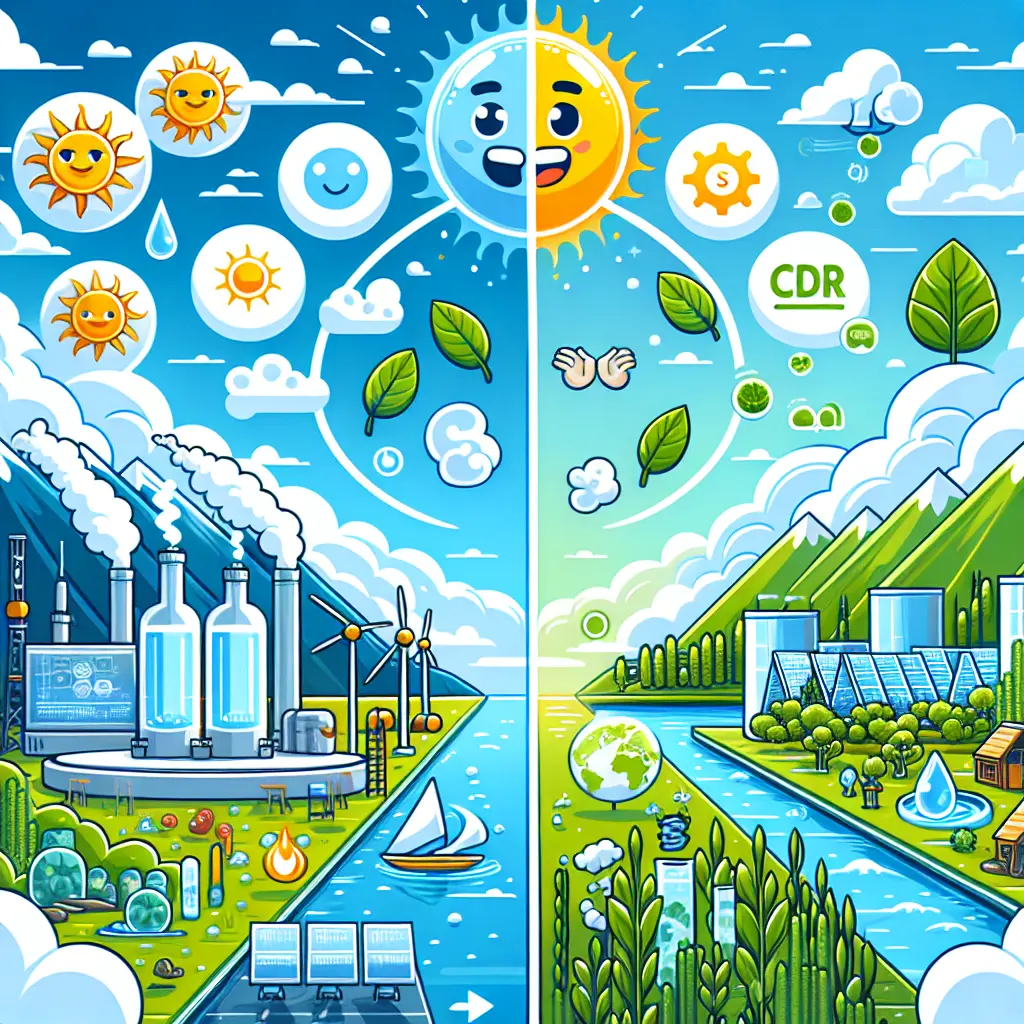
Geoengineering refers to deliberate large‑scale interventions in the Earth’s climate system. SRM (solar radiation management) aims to cool the planet by reflecting sunlight; CDR (carbon dioxide removal) seeks to remove CO2 from the atmosphere and store it long-term.
What are common SRM approaches and their main uncertainties or risks?
SRM ideas include stratospheric aerosol injection to reflect sunlight and marine cloud brightening. Risks and uncertainties involve potential regional changes in rainfall, impacts on the ozone layer, dependency on continuous deployment, and governance/ethical concerns.
What is CDR, and what challenges does it face at scale?
CDR removes CO2 from the air and stores it long-term (e.g., forests, soil carbon, BECCS, direct air capture). Challenges include high cost, significant energy needs, land/water use, permanence of storage, and robust monitoring and verification.
How could geoengineering affect weather patterns and disaster risk?
SRM could alter precipitation and storm tracks in unpredictable ways, while CDR effects emerge over longer timescales. Both carry the potential for unintended regional impacts and may complicate adaptation and governance if not carefully assessed.