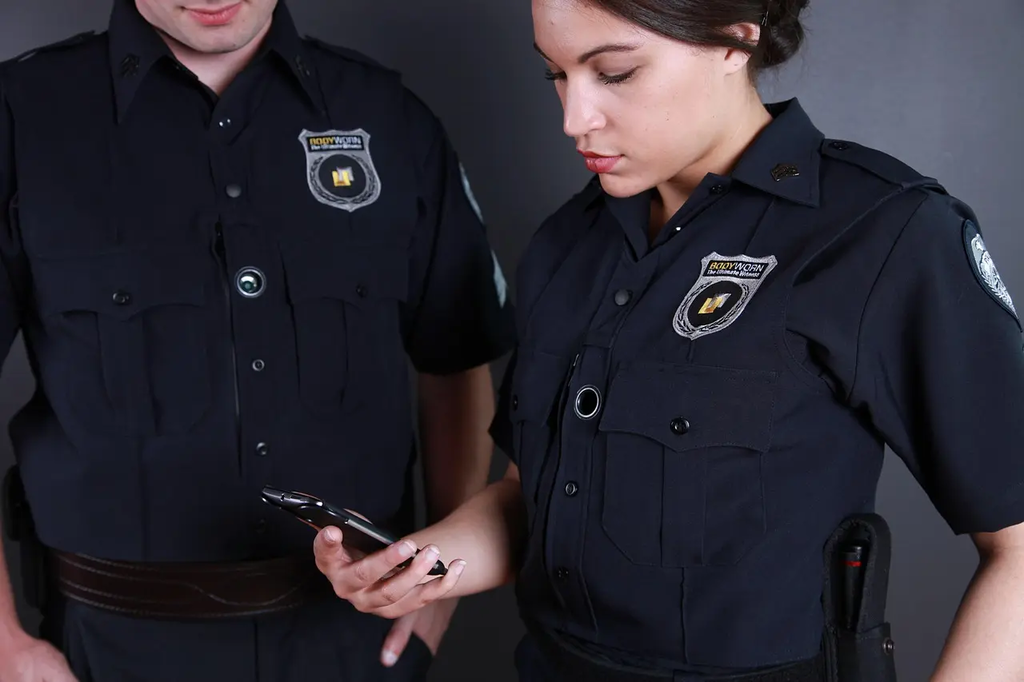
Geographic Information Systems (GIS) in policing refer to the use of mapping and spatial analysis technology to enhance law enforcement operations. GIS enables police to visualize crime patterns, allocate resources efficiently, and plan patrol routes based on geographic data. By analyzing trends and hotspots, agencies can make informed decisions, improve response times, and develop proactive strategies to prevent crime, ultimately increasing public safety and optimizing police effectiveness.
Geographic Information Systems in Policing
Geographic Information Systems (GIS) in policing refer to the use of mapping and spatial analysis technology to enhance law enforcement operations. GIS enables police to visualize crime patterns, allocate resources efficiently, and plan patrol routes based on geographic data. By analyzing trends and hotspots, agencies can make informed decisions, improve response times, and develop proactive strategies to prevent crime, ultimately increasing public safety and optimizing police effectiveness.
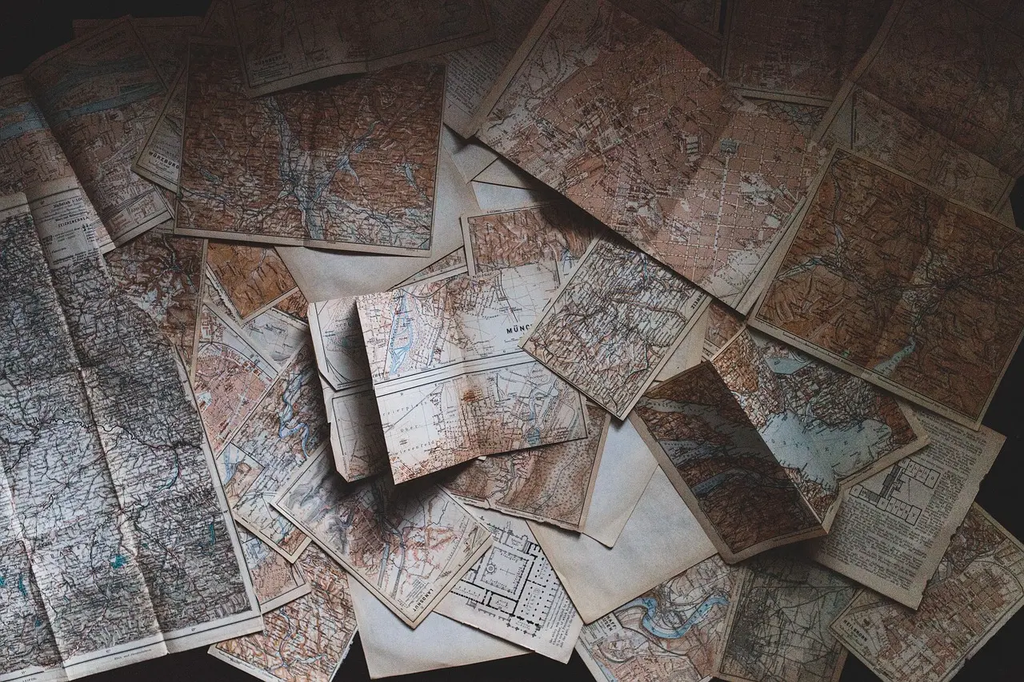
💡 Key Takeaways
- Understand how GIS maps crime data to identify hotspots and trends.
- Learn how spatial analysis informs resource allocation and patrol scheduling.
- Discover how GIS-based routing can improve patrol coverage and response times.
- Recognize ethical, privacy, and legal considerations when using GIS in policing.
❓ Frequently Asked Questions
What is GIS in policing?
Geographic Information Systems (GIS) in policing use maps and spatial data to collect, analyze, and visualize where crimes occur, supporting informed decision-making.
What insights can GIS reveal about crime patterns?
GIS highlights crime hotspots, tracks trends over time, and shows spatial relationships with places like neighborhoods, helping identify where and when to focus attention.
How does GIS aid in resource allocation?
By mapping incident density and risk, GIS guides where to deploy officers and equipment to improve coverage and response times.
How does GIS assist in planning patrol routes?
GIS analyzes road networks and crime data to design efficient patrol routes, reduce travel time, and concentrate presence in high-need areas.