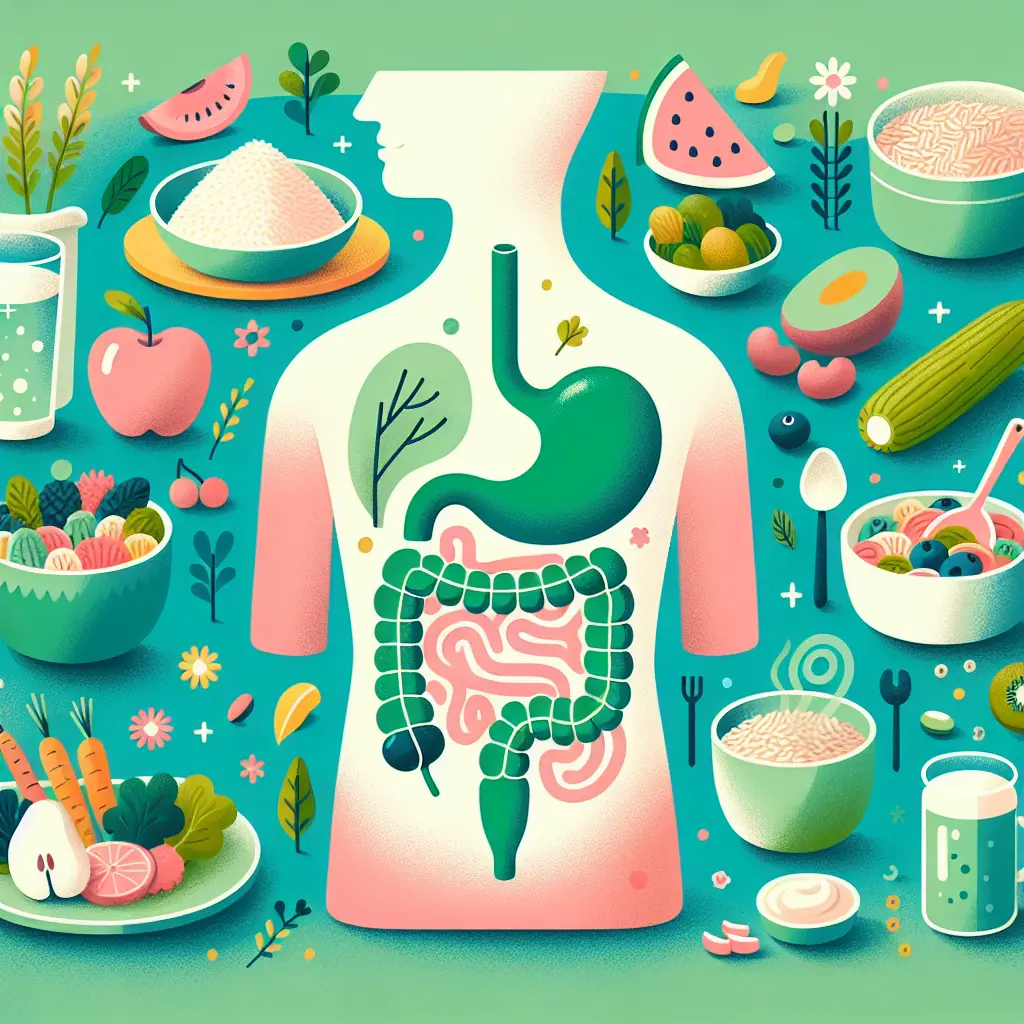
GERD and reflux nutrition strategies focus on reducing symptoms by avoiding trigger foods such as spicy, fatty, or acidic items, and caffeine. Emphasizing smaller, more frequent meals and not lying down after eating can help prevent discomfort. Incorporating high-fiber foods, lean proteins, and non-citrus fruits is beneficial. Drinking water between meals, maintaining a healthy weight, and limiting alcohol or carbonated beverages are also important for managing GERD and reflux symptoms.
GERD & Reflux Nutrition Strategies
GERD and reflux nutrition strategies focus on reducing symptoms by avoiding trigger foods such as spicy, fatty, or acidic items, and caffeine. Emphasizing smaller, more frequent meals and not lying down after eating can help prevent discomfort. Incorporating high-fiber foods, lean proteins, and non-citrus fruits is beneficial. Drinking water between meals, maintaining a healthy weight, and limiting alcohol or carbonated beverages are also important for managing GERD and reflux symptoms.
💡 Key Takeaways
- Identify common GERD trigger foods (spicy, fatty, acidic items, caffeine) and how to avoid them.
- Use smaller, more frequent meals and avoid lying down after eating to reduce reflux symptoms.
- Include high-fiber foods and lean proteins to support digestion and lower reflux risk.
- Choose non-irritating, GERD-friendly foods and practical meal ideas to manage symptoms.
❓ Frequently Asked Questions
Which foods commonly trigger GERD symptoms and should be limited?
Spicy, fatty or fried foods; acidic items like citrus and tomatoes; caffeine; chocolate; peppermint; alcohol; and carbonated drinks can worsen reflux.
What meal pattern helps reduce GERD symptoms?
Eat smaller, more frequent meals and avoid lying down within 2–3 hours after eating.
What lifestyle tips support reflux control, especially at night?
Avoid late meals, elevate the head of the bed, and stay upright after eating to minimize nighttime reflux.
What foods are encouraged in a reflux-friendly diet?
Choose high-fiber foods (whole grains, fruits, vegetables), lean proteins (skinless poultry, fish, beans), and lower-fat dairy, while avoiding known trigger items.