Gesture drawing techniques involve quickly sketching the essential form, movement, and posture of a subject, often within seconds or minutes. This approach emphasizes capturing the energy, flow, and dynamics rather than focusing on detailed accuracy. Artists use loose, expressive lines to convey motion and proportion, helping to develop observational skills, hand-eye coordination, and a deeper understanding of anatomy and structure in visual arts and design.
Gesture Drawing Techniques
Gesture drawing techniques involve quickly sketching the essential form, movement, and posture of a subject, often within seconds or minutes. This approach emphasizes capturing the energy, flow, and dynamics rather than focusing on detailed accuracy. Artists use loose, expressive lines to convey motion and proportion, helping to develop observational skills, hand-eye coordination, and a deeper understanding of anatomy and structure in visual arts and design.
💡 Key Takeaways
- Grasp the purpose of gesture drawing and how it captures movement and energy.
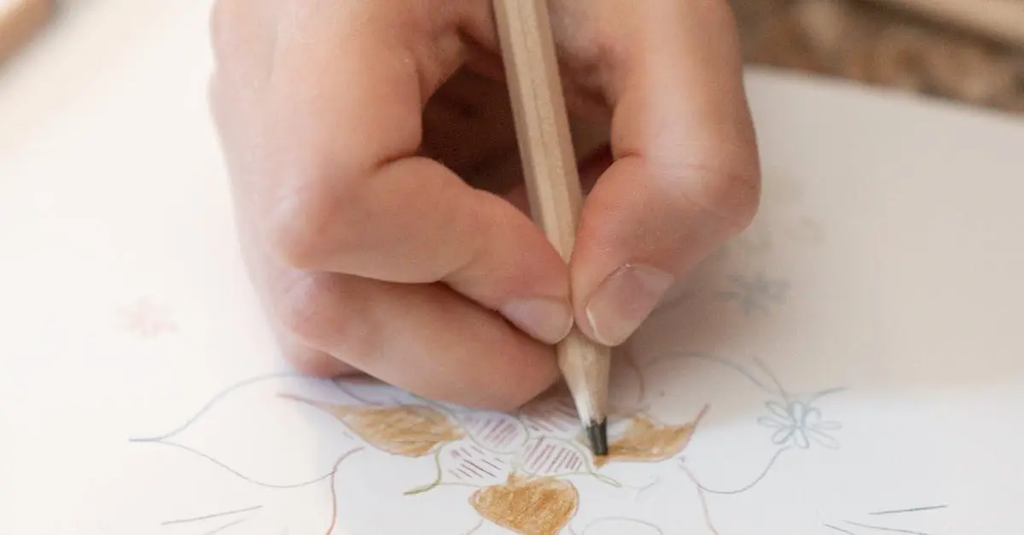
- Practice quick, timed sketches (30 seconds to 2 minutes) to build fluency and confidence.
- Learn to use simple shapes and flowing lines to convey pose, weight, and action.
- Develop warm-up drills and regular practice to improve speed and accuracy in figure drawing.
❓ Frequently Asked Questions
What is gesture drawing?
Gesture drawing is a quick sketch that captures the pose, energy, and overall movement of a subject rather than minute details.
How is gesture drawing different from contour or full figure drawing?
Gesture emphasizes action and rhythm with loose, sweeping lines; contour focuses on edges and shapes, while full figure drawing may include anatomy and shading.
What should you focus on during a gesture drawing?
Focus on line of action, overall form, weight, and movement. Avoid detailing fingers, faces, or textures; keep strokes loose.
What are common timing tips for gesture drawing practice?
Start with very short poses (15–60 seconds) to warm up, then progress to 2–5 minute studies; use quick, confident marks and avoid overthinking.