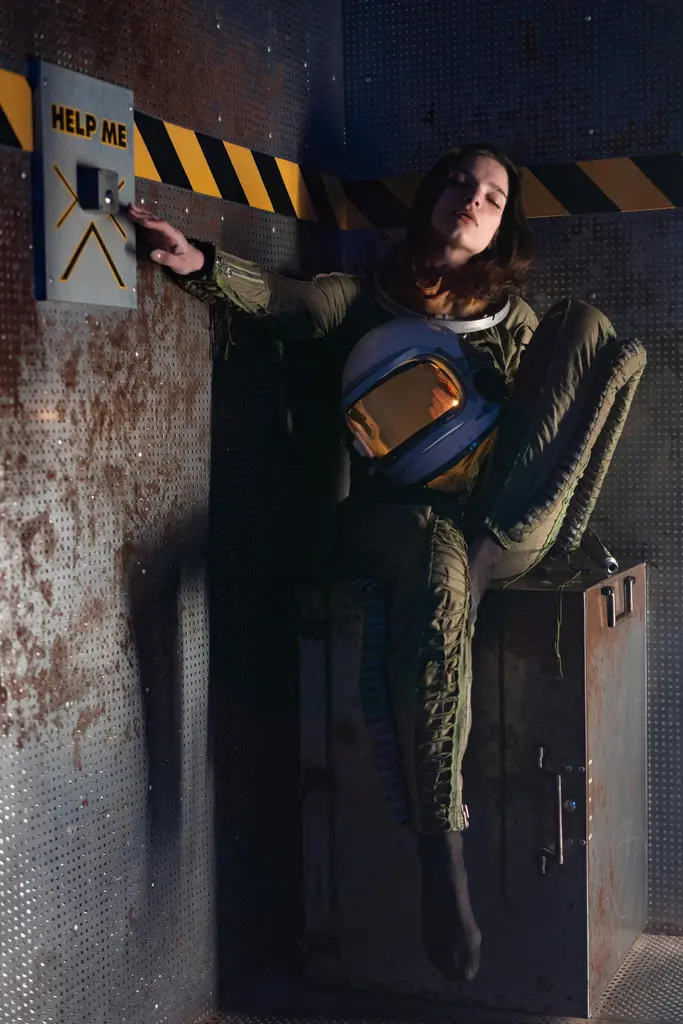
"Ghost in the Shell" explores the concept of identity in a futuristic world where human consciousness can be transferred to cybernetic bodies. The story questions what defines individuality—memories, physical form, or the soul ("ghost")—as characters struggle with blurred lines between human and machine. It challenges viewers to consider whether identity persists amid technological enhancements or if it becomes fragmented, emphasizing the complex relationship between self-awareness and artificial existence.
Ghost in the Shell & Identity
"Ghost in the Shell" explores the concept of identity in a futuristic world where human consciousness can be transferred to cybernetic bodies. The story questions what defines individuality—memories, physical form, or the soul ("ghost")—as characters struggle with blurred lines between human and machine. It challenges viewers to consider whether identity persists amid technological enhancements or if it becomes fragmented, emphasizing the complex relationship between self-awareness and artificial existence.

💡 Key Takeaways
- Understand how transferring consciousness to cybernetic bodies redefines identity and personhood.
- Explore how memories, physical form, and the 'ghost' shape individuality in a cyber-future.
- Discuss ethical and social implications of human-machine hybrids, including autonomy and rights.
- Learn how Ghost in the Shell challenges traditional notions of self, embodiment, and what it means to be human.
❓ Frequently Asked Questions
What is the central question about identity in Ghost in the Shell?
It asks what defines a person—memories, a physical body, or the 'ghost' (consciousness)—in a world where bodies can be swapped.
How does transferring consciousness challenge the idea of personal continuity?
If a mind is copied or moved to another body, is the result the same person or a new one with the same memories?
What does the term 'ghost' mean in this universe?
The 'ghost' is the inner self or consciousness that may persist beyond the body and shape one's identity.
Do humans and machines remain distinct in this world?
Not always—cybernetic shells and enhanced or artificial minds blur lines, so identity can outpace physical form.
What ethical issues arise from cybernetic bodies and memory transfers?
Questions of privacy, consent, rights of sentient beings, ownership of memories, and social inequality.