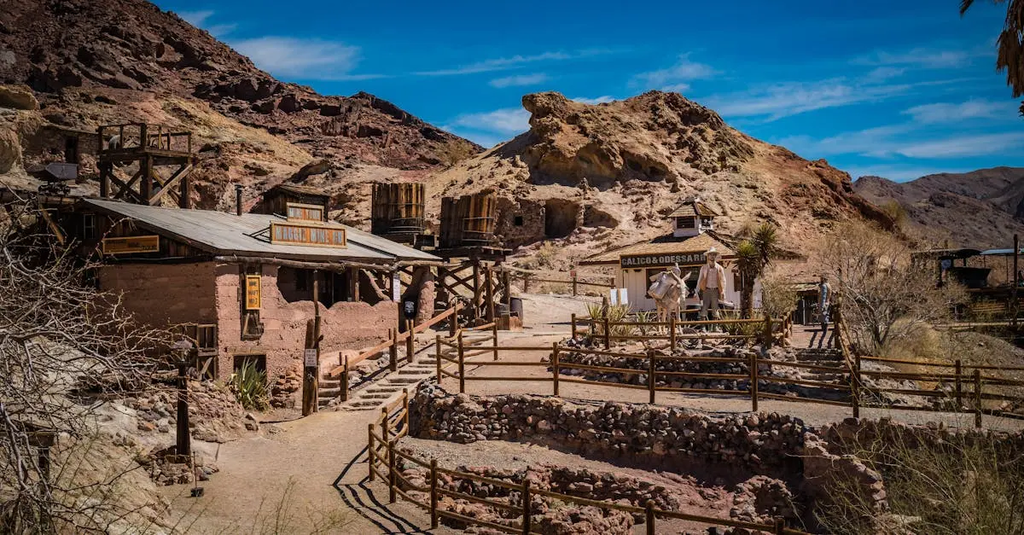
"Ghost Railroads of the Great Basin and High Desert" refers to the abandoned or forgotten railway lines that once traversed the arid regions of the western United States. These railroads played a vital role in transporting minerals, goods, and people during mining booms and westward expansion. Today, their remnants—such as rusted tracks, deserted depots, and overgrown right-of-ways—serve as haunting reminders of a bygone era and the region’s shifting economic fortunes.
Ghost Railroads of the Great Basin and High Desert
"Ghost Railroads of the Great Basin and High Desert" refers to the abandoned or forgotten railway lines that once traversed the arid regions of the western United States. These railroads played a vital role in transporting minerals, goods, and people during mining booms and westward expansion. Today, their remnants—such as rusted tracks, deserted depots, and overgrown right-of-ways—serve as haunting reminders of a bygone era and the region’s shifting economic fortunes.
💡 Key Takeaways
- Understand how ghost railroads traced mining booms and westward expansion across the Great Basin and High Desert.
- Identify common remnants such as grades, trestles, depots, and right-of-way traces to infer a railroad's history.
- Explore preservation, safety, and ethical considerations when visiting these sites and protecting fragile remnants.
- Learn how aridity, terrain, and climate influenced route planning, operation, and abandonment of rail lines in the western desert.
❓ Frequently Asked Questions
What is a ghost railroad in the context of this article?
Abandoned or forgotten rail lines in the Great Basin and High Desert, with relics like tracks, grades, tunnels, and station ruins from mining booms and westward expansion.
Why were these railroads originally built, and why were many abandoned?
They were built to haul minerals, supplies, and people during mining and settlement eras; many were abandoned when mines declined, routes changed, or economics shifted.
What remnants or landmarks might you see today?
Rusting tracks, trestles, grade cuts, tunnels, depots, and ghost towns—the physical footprints of once-bustling railroad corridors.
How can readers safely explore these sites?
Respect property rights, stay on public land when possible, avoid hazardous structures, carry water, and follow local guidelines and maps.
What do these ghost railroads teach us about American history?
They illustrate mining booms, westward expansion, transportation innovations, and the lasting impact of temporary infrastructure on desert landscapes.