Ghost towns of the American West are abandoned settlements that once thrived during periods like the Gold Rush and mining booms of the 19th century. These towns sprang up rapidly as prospectors and settlers sought fortune, but were often deserted just as quickly when resources ran out or economic conditions changed. Today, their empty buildings and silent streets stand as haunting reminders of a bygone era, attracting historians and curious visitors alike.
Ghost Towns of the American West+45
Ghost towns of the American West are abandoned settlements that once thrived during periods like the Gold Rush and mining booms of the 19th century. These towns sprang up rapidly as prospectors and settlers sought fortune, but were often deserted just as quickly when resources ran out or economic conditions changed. Today, their empty buildings and silent streets stand as haunting reminders of a bygone era, attracting historians and curious visitors alike.
💡 Key Takeaways
- Understand why rapid growth towns formed during mining booms and why they were abandoned when resources or markets disappeared.
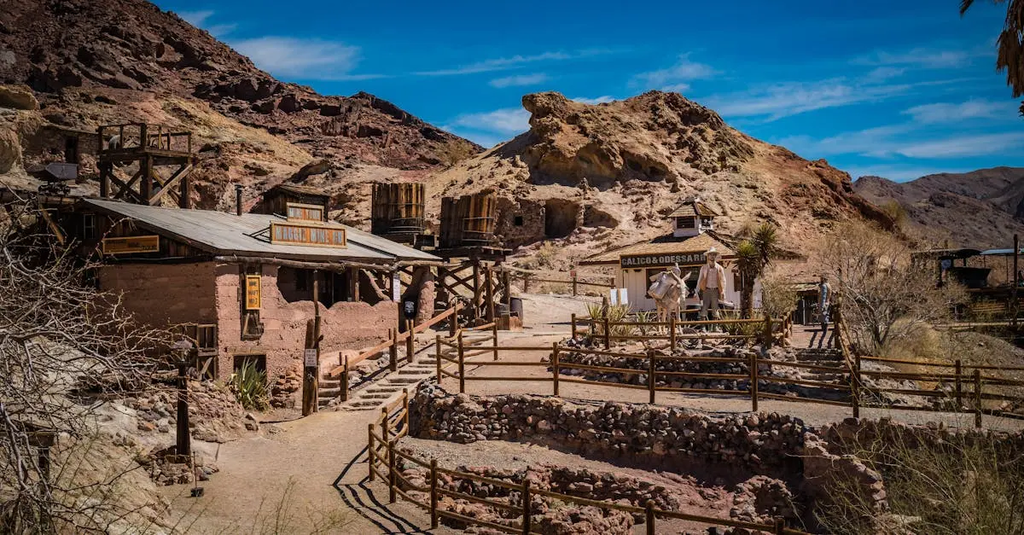
- Recognize common physical remnants in ghost towns (mines, cabins, saloons, machinery) and what they reveal about daily life.
- Explore the broader factors behind abandonment (resource depletion, price fluctuations, transportation shifts, fires, and economic changes).
- Learn how historians use ghost towns to tell stories of the American West and how preservation and tourism interpret them today.
❓ Frequently Asked Questions
What is a ghost town?
A town that was once populated and thriving but was abandoned, leaving buildings and relics behind. In the American West, many arose during mining booms and disappeared when resources ran out or economic conditions changed.
Why did ghost towns form in the American West?
They sprang up quickly during gold and mining booms as prospectors moved in, but were often deserted when ore shortages, plummeting prices, or shifting trade networks made staying impractical.
When did these towns thrive most?
Primarily in the 19th century during the Gold Rush era and subsequent mining booms across the West.
What can you expect to see in or around a ghost town today?
Remaining buildings, mine remnants, and artifacts. Some sites are preserved as historic parks or museums; others are unstable, so visitors should stay on designated paths and follow safety guidelines.